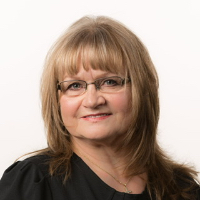
Norma Clark
LPCTexas · 15 yrs exp
Licensed counselor - Young adult concerns
Addictions · Relationship · Trauma and abuse · Grief · +13 more
Read profileTherapist listings are provided by BetterHelp. We will earn a commission at no additional cost to you if you use our links to purchase.
This page groups profiles under the listed location Texas so you can compare therapists who note young adult issues among their focus areas. Use the profile summaries to review focus areas, approach, languages, credentials and experience.
Browse the listings below and click any profile to learn more. Confirm on each profile whether a therapist is permitted to work where you live before making contact.
Texas · 15 yrs exp
Licensed counselor - Young adult concerns
Addictions · Relationship · Trauma and abuse · Grief · +13 more
Read profile
Texas · 17 yrs exp
Licensed Professional Counselor - Young adult issues
Stress, Anxiety · Family · Depression · Coping with life changes · +12 more
Read profile
Texas · 10 yrs exp
LPC in Texas - Young adult stress and relationships
Stress, Anxiety · Relationship · Family · Depression · +14 more
Read profile
Texas · 11 yrs exp
LPC in Texas - relationships and anxiety
Stress, Anxiety · Relationship · Family · Parenting · +9 more
Read profile
Texas · 12 yrs exp
Licensed Professional Counselor - Young adult issues and mood concerns
Stress, Anxiety · Self esteem · Career · Depression · +9 more
Read profile
Texas · 13 yrs exp
Licensed counselor and marriage therapist - young adult concerns
Stress, Anxiety · LGBT · Relationship · Trauma and abuse · +12 more
Read profile
Texas · 20 yrs exp
Licensed Professional Counselor - Young adult issues
Family · Grief · Parenting · Self esteem · +7 more
Read profile
Texas · 8 yrs exp
Licensed Professional Counselor - Young adult issues, anxiety
Stress, Anxiety · Grief · Self esteem · Career · +11 more
Read profile
Texas · 22 yrs exp
Licensed Professional Counselor - Young adult issues and relationships
Stress, Anxiety · Relationship · Trauma and abuse · Depression · +16 more
Read profile
Texas · 20 yrs exp
Licensed Professional Counselor - stress and anxiety
Stress, Anxiety · Trauma and abuse · Self esteem · Depression · +12 more
Read profile
Texas · 23 yrs exp
Licensed Professional Counselor - Relationships and Young adult issues
Stress, Anxiety · Relationship · Self esteem · Career · +11 more
Read profile
Texas · 10 yrs exp
Licensed Marriage and Family Therapist - Young adult issues
Stress, Anxiety · Relationship · Family · Parenting · +5 more
Read profile
Texas · 10 yrs exp
Licensed Professional Counselor - Young adult issues and stress
Stress, Anxiety · Self esteem · Career · Coping with life changes · +1 more
Read profile
Texas · 18 yrs exp
Licensed Professional Counselor - Trauma and Addiction
Stress, Anxiety · Addictions · LGBT · Relationship · +14 more
Read profile
Texas · 19 yrs exp
Licensed Professional Counselor - Young adult concerns
Stress, Anxiety · Relationship · Family · Trauma and abuse · +12 more
Read profile
Texas · 8 yrs exp
Licensed counselor - Young adult issues and mood concerns
Stress, Anxiety · Addictions · Trauma and abuse · Self esteem · +11 more
Read profile
Texas · 15 yrs exp
Licensed Professional Counselor - Young adult concerns
Stress, Anxiety · Grief · Self esteem · Depression · +13 more
Read profile
Texas · 17 yrs exp
LPC in Texas - Mood and life challenges
Stress, Anxiety · Addictions · Self esteem · Bipolar · +15 more
Read profile
Texas · 15 yrs exp
Licensed Professional Counselor - Young adult and family issues
Stress, Anxiety · Family · Parenting · Depression · +9 more
Read profile
Texas · 13 yrs exp
Licensed Professional Counselor - Relationships and ADHD
Stress, Anxiety · Relationship · Family · Parenting · +14 more
Read profile
Texas · 16 yrs exp
Licensed Professional Counselor - Young adult issues
Stress, Anxiety · Family · Parenting · Bipolar · +11 more
Read profile
Texas · 21 yrs exp
Licensed MFT - Young adult issues
Trauma and abuse · Parenting · Self esteem · Depression · +8 more
Read profile
Texas · 12 yrs exp
Licensed Professional Counselor - Young adult issues and relationships
Stress, Anxiety · Addictions · Relationship · Trauma and abuse · +14 more
Read profile
Texas · 30 yrs exp
LMFT and LPC - Young adult issues and family concerns
Stress, Anxiety · Family · Parenting · Depression · +1 more
Read profile
Texas · 8 yrs exp
Licensed Professional Counselor - Young adult issues
Stress, Anxiety · Relationship · Family · Self esteem · +10 more
Read profile
Texas · 9 yrs exp
Licensed Professional Counselor - Young adult concerns
Stress, Anxiety · Trauma and abuse · Self esteem · Bipolar · +14 more
Read profile
Texas · 12 yrs exp
Licensed Professional Counselor - Young adult and family concerns
Stress, Anxiety · Trauma and abuse · Parenting · Self esteem · +11 more
Read profile
Texas · 20 yrs exp
Licensed Professional Counselor - Relationships and Young Adult Concerns
Stress, Anxiety · Relationship · Depression · Coping with life changes · +12 more
Read profile
Texas · 17 yrs exp
Licensed counselor and marriage therapist - stress and relationships
Stress, Anxiety · Relationship · Family · Trauma and abuse · +11 more
Read profile
Texas · 7 yrs exp
Licensed counselor - Young adult issues and life transitions
Stress, Anxiety · Addictions · Relationship · Coping with life changes · +13 more
Read profile
Texas · 20 yrs exp
Licensed Professional Counselor - Stress and relationships
Stress, Anxiety · Relationship · Trauma and abuse · Depression · +11 more
Read profile
Texas · 25 yrs exp
LMFT in Texas - young adult and relationship concerns
Stress, Anxiety · Addictions · Relationship · Parenting · +14 more
Read profile
Texas · 3 yrs exp
Licensed Professional Counselor - Young adult issues, relationships
Stress, Anxiety · Relationship · Family · Trauma and abuse · +13 more
Read profile
Texas · 3 yrs exp
Licensed Professional Counselor - Young adult issues and mood concerns
Stress, Anxiety · Depression · Addictions · LGBT · +10 more
Read profile
Texas · 5 yrs exp
LPC in Texas - Young adult and relationship concerns
Stress, Anxiety · Relationship · Self esteem · Career · +11 more
Read profile
Texas · 6 yrs exp
Licensed Professional Counselor - Young adult issues
Stress, Anxiety · Relationship · Trauma and abuse · Grief · +10 more
Read profile
Texas · 15 yrs exp
Licensed Professional Counselor - Young adult and relationship concerns
Stress, Anxiety · LGBT · Relationship · Trauma and abuse · +13 more
Read profile
Texas · 13 yrs exp
LPC counselor - stress and anxiety
Stress, Anxiety · Trauma and abuse · Self esteem · Coping with life changes · +1 more
Read profile
Texas · 4 yrs exp
LPC in Texas - Young adult concerns
Stress, Anxiety · Relationship · Self esteem · Depression · +11 more
Read profile
Texas · 30 yrs exp
LPC in Texas - Young adult issues, addictions
Stress, Anxiety · Addictions · Relationship · Family · +13 more
Read profile
Texas · 6 yrs exp
Licensed Professional Counselor - Young adult issues and relationships
Stress, Anxiety · Relationship · Family · Parenting · +7 more
Read profile
Texas · 3 yrs exp
LPC counselor - Stress and relationship concerns
Stress, Anxiety · Addictions · Parenting · Self esteem · +11 more
Read profile
Texas · 25 yrs exp
LPC in Texas - Young adult and life transitions
Stress, Anxiety · Anger · Self esteem · Depression · +15 more
Read profile
Texas · 25 yrs exp
Licensed Professional Counselor - Relationships and Life Changes
Relationship · Family · Grief · Coping with life changes · +12 more
Read profile
Texas · 8 yrs exp
Licensed Professional Counselor - Young adult and mood concerns
Trauma and abuse · Grief · Self esteem · Depression · +12 more
Read profile
Texas · 16 yrs exp
Dr. Gregory Dillon, LPC - Addictions and Life Changes
Addictions · Trauma and abuse · Self esteem · Stress, Anxiety · +9 more
Read profile
Texas · 9 yrs exp
Licensed Professional Counselor - Young adult issues and relationships
Stress, Anxiety · Relationship · Trauma and abuse · Career · +15 more
Read profile
Texas · 26 yrs exp
LPC counselor - anxiety and life transitions
Stress, Anxiety · Relationship · Trauma and abuse · Grief · +10 more
Read profile
Texas · 18 yrs exp
Licensed Professional Counselor - Young adult concerns
Stress, Anxiety · Relationship · Family · Trauma and abuse · +13 more
Read profile
Texas · 18 yrs exp
Licensed Professional Counselor - Young adult worries
Stress, Anxiety · Relationship · Trauma and abuse · Grief · +11 more
Read profile
Texas · 9 yrs exp
Licensed counselor - young adult concerns
Stress, Anxiety · Relationship · Trauma and abuse · Intimacy-related issues · +1 more
Read profile
Texas · 15 yrs exp
Licensed Professional Counselor - Young adult issues focus
Stress, Anxiety · Trauma and abuse · Parenting · Depression · +11 more
Read profile
Texas · 4 yrs exp
Licensed counselor - young adult issues
Stress, Anxiety · Trauma and abuse · Grief · Depression · +11 more
Read profile
Texas · 8 yrs exp
Licensed Professional Counselor - Young adult issues
Stress, Anxiety · Trauma and abuse · Career · Depression · +13 more
Read profile
Texas · 5 yrs exp
LPC in Texas - relationships and life transitions
Relationship · Family · Trauma and abuse · Grief · +10 more
Read profile
Texas · 14 yrs exp
LPC in Texas - Stress and Relationships
Stress, Anxiety · Relationship · Trauma and abuse · Self esteem · +9 more
Read profile
Texas · 30 yrs exp
Licensed Professional Counselor - Stress and Relationships
Stress, Anxiety · Relationship · Family · Trauma and abuse · +1 more
Read profile
Texas · 30 yrs exp
LPC in Texas - Stress and relationship issues
Stress, Anxiety · Relationship · Grief · Self esteem · +10 more
Read profile
Texas · 7 yrs exp
Licensed counselor - Young adult issues
Stress, Anxiety · Addictions · Family · Parenting · +3 more
Read profile
Texas · 17 yrs exp
Licensed Professional Counselor - Young adult issues
Stress, Anxiety · Grief · Anger · Bipolar · +9 more
Read profileEntering your twenties often means juggling a set of shifting priorities - leaving home, completing studies, facing exams, starting a first job, managing money, navigating new relationships and negotiating identity in a highly visible social media landscape. You may feel like others are moving faster or that you are falling behind. When you look through profiles, you are likely to find therapists who list young adult issues among the areas they work with. That listing does not guarantee a particular outcome, but it does help you find professionals who have chosen to highlight work with this life stage.
As you read profiles, think about what you want from therapy right now. Are you seeking help with specific, short-term challenges such as exam stress, or are you hoping for longer-term support around identity and relationships? Different therapists describe different emphases - some foreground practical coping skills, others talk about exploring values and identity, and some combine both. If you are experiencing thoughts of harming yourself, reach out to emergency services or a crisis line in your area immediately. Profiles and initial outreach are not a substitute for urgent help.
The grouping on this page reflects a listed location of Texas for each profile. That listed location does not establish that a therapist maintains a physical office in Texas, is geographically close to you, or has current permission to practice where you live. You should open each profile to check how a therapist describes their work and to confirm whether they can legally provide services to you in your state or country.
Profiles often show academic degrees such as PhD, PsyD, MD, MA and MSW. Those degrees describe education but are not the same as a current license, registration or membership with a professional board. In the United States, many clinicians hold state licenses to practice; in the United Kingdom and Australia, professionals may be registered or members of recognized professional bodies. When you review a profile, note whether a therapist lists credentials and then ask them directly about the current status of any license, registration or professional membership and what that means for where they are permitted to work with clients.
When you contact someone after reading a profile, specific questions will help you compare whether their way of working could suit you. You can ask which approaches they list among their methods and how they adapt those approaches for young adults dealing with transitions like moving out or starting a career. If a profile mentions a particular approach, you can ask how the therapist typically uses that approach in sessions and what kind of issues it tends to help with.
It is useful to inquire about direct experience with problems that match your current concerns - for example, uncertainty about career direction, social media-driven comparison, relationship breakups, financial stress, or academic pressures. Ask how they tailor goals and homework to day-to-day life when you are balancing classes, work and social commitments. If cultural background, gender identity or language are important to you, ask about relevant experience and whether the therapist speaks your preferred language or has experience working with your community. Always remember that a listed approach is not proof of formal training in that method - ask about how they developed and use particular skills in practice.
If you are considering remote sessions, there are practical and legal topics to raise before beginning. Ask whether a therapist can legally work with clients in your state or country, and what that means for matters such as record keeping and professional oversight. Clarify how emergencies are handled - for example, what steps the therapist would take if you reported an immediate safety concern during a session - and make sure you know who to contact in your local area for urgent help.
Discuss technical details that affect the session experience, such as how sessions are conducted, what to expect if the connection drops, and where you should be located physically during a session to comply with practice requirements. If time zone differences might apply, ask how scheduling is arranged so you avoid missed appointments. You may also want to learn how information from sessions is stored and who can access it. These practical conversations help you decide whether a therapist's approach to online care aligns with your needs before you commit to a series of sessions.
When you compare profiles, look at several dimensions together rather than focusing on a single label. Focus areas tell you which issues a therapist highlights - for instance, transitions, identity work, relationships or exam stress - and can guide you toward clinicians who routinely work with young adults. Languages listed on profiles indicate whether you can speak in your preferred language, which can matter for expressing nuance and cultural context. Credentials and academic degrees provide background about education and professional standing, but you should follow up to confirm current licensing or registration and what that permits in your jurisdiction.
Style is harder to capture in a short summary, but many profiles include a brief personal statement that hints at how a therapist relates to clients - direct and goal-oriented, reflective and exploratory, or pragmatic and skills-focused. Consider contacting potential matches with two or three concrete questions that matter most to you: how they approach a specific kind of problem you face, how they adapt to your schedule, and what outcomes they aim for in the early weeks of work together. Comparing multiple profiles this way will help you decide which conversations are worth having and which therapists you want to reach out to for a more detailed discussion.
Above all, use the profiles as a starting point. They can help you narrow your choices, but the most important step is a direct conversation where you can confirm permissions to work together where you live, ask how a therapist responds to the kinds of situations you face, and decide whether their approach and style feel like a fit for your current stage of life.
Addictions
3562 therapists
ADHD
3653 therapists
Anger
4592 therapists
Control Issues
4299 therapists
Depression
6422 therapists
Grief
5112 therapists
Guilt and Shame
5731 therapists
Impulsivity
3664 therapists
Intimacy Issues
3586 therapists
Isolation / Loneliness
5502 therapists
Mood Disorders
4358 therapists
OCD
2746 therapists
Panic Disorder and Panic Attacks
4249 therapists
Phobias
2072 therapists
Post-Traumatic Stress
4782 therapists
Seasonal Affective Disorder (SAD)
3284 therapists
Self Esteem
6381 therapists
Sleeping Disorders
2085 therapists
Social Anxiety and Phobia
5238 therapists
Stress & Anxiety
7062 therapists
Trauma and Abuse
5667 therapists
Abandonment
4241 therapists
Attachment Issues
4629 therapists
Body Image
3427 therapists
Career
4086 therapists
Commitment Issues
3663 therapists
Communication Problems
6056 therapists
Coping with Life Changes
5929 therapists
Family
5310 therapists
Family of Origin Issues
3317 therapists
Forgiveness
5251 therapists
Infidelity
3363 therapists
Jealousy
3459 therapists
Life Purpose
5812 therapists
Money and Financial Issues
2722 therapists
Relationship
6020 therapists
Self-Love
5947 therapists
Sexuality
2720 therapists
Workplace Issues
4892 therapists