
Ruth Vanden Bosch
LPCMichigan · 25 yrs exp
Licensed Professional Counselor - Young adult concerns
Stress, Anxiety · LGBT · Relationship · Grief · +10 more
Read profileTherapist listings are provided by BetterHelp. We will earn a commission at no additional cost to you if you use our links to purchase.
This collection brings together profiles of professionals who list Coping with Life Changes alongside young adult issues. Use the filters to compare approaches, experience, languages and listed location and browse profiles to find someone who may match what you need.
Michigan · 25 yrs exp
Licensed Professional Counselor - Young adult concerns
Stress, Anxiety · LGBT · Relationship · Grief · +10 more
Read profile
Alabama · 22 yrs exp
LPC in Alabama - Young adult and life transitions
Stress, Anxiety · Trauma and abuse · Anger · Self esteem · +16 more
Read profile
South Carolina · 16 yrs exp
LMFT - Young adult issues and relationships
Stress, Anxiety · Relationship · Family · Parenting · +14 more
Read profile
Florida · 20 yrs exp
Dr. Daniella Jackson - LMHC, Addiction and Life Transitions
Stress, Anxiety · Addictions · Relationship · Self esteem · +16 more
Read profile
Kentucky · 18 yrs exp
Licensed marriage and family therapist - relationships and identity
LGBT · Relationship · Family · Self esteem · +14 more
Read profile
Louisiana · 7 yrs exp
Dr. Tanya Harrell - LPC, young adult issues and anxiety
Stress, Anxiety · Family · Trauma and abuse · Parenting · +15 more
Read profile
Florida · 7 yrs exp
LMHC - Young adult issues and addictions
Addictions · Relationship · Family · Trauma and abuse · +13 more
Read profile
Michigan · 5 yrs exp
Licensed Professional Counselor - Young adult issues
Stress, Anxiety · Relationship · Family · Self esteem · +12 more
Read profile
Pennsylvania · 12 yrs exp
Licensed counselor - Young adult concerns
Stress, Anxiety · Relationship · Self esteem · Depression · +11 more
Read profile
Arizona · 6 yrs exp
Licensed Professional Counselor - Young adult issues
Stress, Anxiety · Relationship · Family · Self esteem · +11 more
Read profile
Florida · 26 yrs exp
LMHC in Florida - Young adult and relationship issues
Relationship · Grief · Self esteem · Depression · +13 more
Read profile
Texas · 17 yrs exp
Licensed Professional Counselor - Young adult issues
Stress, Anxiety · Family · Depression · Coping with life changes · +12 more
Read profile
Florida · 12 yrs exp
LMHC - Young adult issues and relationships
Stress, Anxiety · Relationship · Intimacy-related issues · Depression · +8 more
Read profile
New York · 11 yrs exp
LMHC - Young adult issues and life transitions
Stress, Anxiety · Grief · Self esteem · Relationship · +8 more
Read profile
Missouri · 7 yrs exp
Licensed Professional Counselor - Anxiety and Addictions
Stress, Anxiety · Addictions · Relationship · Self esteem · +13 more
Read profile
Florida · 17 yrs exp
Florida LMHC - Young adult issues and relationships
Stress, Anxiety · Addictions · Relationship · Family · +14 more
Read profile
Louisiana · 10 yrs exp
Licensed counselor - Young adult issues
Stress, Anxiety · Relationship · Family · Depression · +12 more
Read profile
Texas · 10 yrs exp
LPC in Texas - Young adult stress and relationships
Stress, Anxiety · Relationship · Family · Depression · +14 more
Read profile
Texas · 11 yrs exp
LPC in Texas - relationships and anxiety
Stress, Anxiety · Relationship · Family · Parenting · +9 more
Read profile
Texas · 12 yrs exp
Licensed Professional Counselor - Young adult issues and mood concerns
Stress, Anxiety · Self esteem · Career · Depression · +9 more
Read profile
Illinois · 10 yrs exp
Illinois LCPC - Young adult issues and relationships
Stress, Anxiety · LGBT · Relationship · Trauma and abuse · +10 more
Read profile
Florida · 14 yrs exp
Licensed Mental Health Counselor - Relationships and Mood
Stress, Anxiety · Trauma and abuse · Bipolar · Depression · +16 more
Read profile
Texas · 13 yrs exp
Licensed counselor and marriage therapist - young adult concerns
Stress, Anxiety · LGBT · Relationship · Trauma and abuse · +12 more
Read profile
Washington · 12 yrs exp
LMHC - Young adult issues and relationships
Stress, Anxiety · Relationship · Family · Self esteem · +15 more
Read profile
Minnesota · 23 yrs exp
LMFT - Young adult issues and relationships
Stress, Anxiety · Relationship · Trauma and abuse · Self esteem · +13 more
Read profile
Louisiana · 22 yrs exp
LMFT and LPC - Stress and Young Adult Issues
Stress, Anxiety · Relationship · Family · Grief · +11 more
Read profile
South Carolina · 36 yrs exp
LISW-CP - Anxiety and Addictions
Stress, Anxiety · Addictions · Family · Trauma and abuse · +3 more
Read profile
Texas · 20 yrs exp
Licensed Professional Counselor - Young adult issues
Family · Grief · Parenting · Self esteem · +7 more
Read profile
Colorado · 11 yrs exp
LPC counselor - Young adult issues, life transitions
Stress, Anxiety · LGBT · Trauma and abuse · Anger · +15 more
Read profile
Michigan · 15 yrs exp
Licensed counselor - young adult issues
Stress, Anxiety · Anger · Self esteem · Depression · +10 more
Read profile
Florida · 13 yrs exp
LMHC - Young adult issues and workplace stress
Stress, Anxiety · Self esteem · Career · Depression · +3 more
Read profile
Michigan · 21 yrs exp
LMSW - Anxiety and relationship concerns
Stress, Anxiety · Relationship · Family · Bipolar · +14 more
Read profile
Texas · 8 yrs exp
Licensed Professional Counselor - Young adult issues, anxiety
Stress, Anxiety · Grief · Self esteem · Career · +11 more
Read profile
Texas · 22 yrs exp
Licensed Professional Counselor - Young adult issues and relationships
Stress, Anxiety · Relationship · Trauma and abuse · Depression · +16 more
Read profile
Kentucky · 11 yrs exp
Licensed Marriage and Family Therapist - Relationships and Life Change
Stress, Anxiety · Relationship · Family · Self esteem · +9 more
Read profile
South Dakota · 12 yrs exp
Licensed counselor - young adult concerns
Stress, Anxiety · Relationship · Family · Trauma and abuse · +13 more
Read profile
Pennsylvania · 9 yrs exp
LPC in Pennsylvania - life transitions and relationships
Stress, Anxiety · Grief · Parenting · Self esteem · +11 more
Read profile
Wisconsin · 11 yrs exp
LPC in Wisconsin - young adult issues and life transitions
Stress, Anxiety · Family · Trauma and abuse · Depression · +12 more
Read profile
Texas · 20 yrs exp
Licensed Professional Counselor - stress and anxiety
Stress, Anxiety · Trauma and abuse · Self esteem · Depression · +12 more
Read profile
Florida · 10 yrs exp
LMHC - Stress and Young Adult Issues
Stress, Anxiety · Family · Parenting · Self esteem · +10 more
Read profile
Florida · 20 yrs exp
LMHC - Stress and Relationship Concerns
Stress, Anxiety · Relationship · Family · Self esteem · +9 more
Read profile
Texas · 23 yrs exp
Licensed Professional Counselor - Relationships and Young adult issues
Stress, Anxiety · Relationship · Self esteem · Career · +11 more
Read profile
Texas · 10 yrs exp
Licensed Marriage and Family Therapist - Young adult issues
Stress, Anxiety · Relationship · Family · Parenting · +5 more
Read profile
Pennsylvania · 6 yrs exp
Licensed Professional Counselor - Young adult issues
Stress, Anxiety · LGBT · Relationship · Self esteem · +15 more
Read profile
Arizona · 22 yrs exp
Licensed Professional Counselor - Young adult issues and life changes
Stress, Anxiety · Relationship · Family · Grief · +16 more
Read profile
Utah · 6 yrs exp
LCMHC - Anxiety and Trauma
Stress, Anxiety · Trauma and abuse · Self esteem · Depression · +8 more
Read profile
Virginia · 14 yrs exp
Licensed Professional Counselor - Trauma and Young Adult Concerns
Trauma and abuse · Grief · Coping with life changes · Compassion fatigue · +12 more
Read profile
Nebraska · 25 yrs exp
LMHP - Young adult issues and life transitions
Stress, Anxiety · Family · Trauma and abuse · Parenting · +12 more
Read profile
Florida · 20 yrs exp
Licensed Mental Health Counselor - Young adult concerns
Stress, Anxiety · Grief · Self esteem · Depression · +9 more
Read profile
Ohio · 20 yrs exp
LISW - Young adult stress and relationships
Stress, Anxiety · LGBT · Family · Grief · +16 more
Read profile
Wisconsin · 11 yrs exp
Licensed Professional Counselor - Young adult issues
Stress, Anxiety · Relationship · Family · Self esteem · +6 more
Read profile
Virginia · 13 yrs exp
Licensed Professional Counselor - Stress and Anxiety
Stress, Anxiety · Anger · Self esteem · Depression · +9 more
Read profile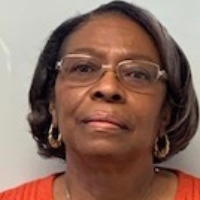
Alabama · 20 yrs exp
Licensed Professional Counselor - Young adult issues
Stress, Anxiety · Relationship · Grief · Depression · +9 more
Read profile
North Carolina · 16 yrs exp
LMFT - Stress and Relationship Concerns
Stress, Anxiety · Relationship · Family · Parenting · +8 more
Read profile
Wisconsin · 17 yrs exp
Licensed Professional Counselor - Young adult concerns
Stress, Anxiety · Relationship · Trauma and abuse · Self esteem · +11 more
Read profile
South Carolina · 20 yrs exp
LISW - Stress and relationship concerns
Stress, Anxiety · Relationship · Eating · Self esteem · +10 more
Read profile
Oregon · 15 yrs exp
Licensed Professional Counselor - Young adult issues and addictions
Stress, Anxiety · Addictions · Relationship · Trauma and abuse · +12 more
Read profile
Florida · 13 yrs exp
LMHC - Young adult life and relationships
Stress, Anxiety · Relationship · Intimacy-related issues · Depression · +15 more
Read profile
Texas · 10 yrs exp
Licensed Professional Counselor - Young adult issues and stress
Stress, Anxiety · Self esteem · Career · Coping with life changes · +1 more
Read profile
Colorado · 19 yrs exp
LPC - Young adult stress and relationships
Stress, Anxiety · Addictions · Self esteem · Depression · +14 more
Read profileWhen you are in your late teens and twenties, many transitions tend to arrive close together - leaving home, starting or changing study, getting a first job, learning to manage money, forming or ending relationships, and exploring identity. Those transitions can feel exciting and disorienting at the same time. You may be dealing with practical pressures like deadlines or rent while also processing big questions about who you are and where you are headed. That combination can produce stress, low mood, anxiety about the future, difficulty sleeping, or a sense of falling behind compared with peers on social media.
Recognizing your reactions as common responses to change can help you decide what kind of support to look for. For some people, a few conversations with a professional who understands young adult experiences is enough to help them sharpen coping strategies and set realistic goals. For others, issues like persistent low mood, panic, or thoughts of harming yourself call for more immediate attention. If you are thinking about harming yourself, contact local emergency services or a crisis line right away. This page groups profiles that list Coping with Life Changes so you can compare how different professionals describe their focus and approach.
Coping with Life Changes overlaps with many concerns that are common in young adulthood, but a listing of that topic on a profile does not prove a direct cause or a particular treatment outcome. Profiles indicate that a professional lists Coping with Life Changes among their focus areas or specialties. That can mean they frequently work with people adjusting to transitions, or that they describe this as an area they attend to in clinical work. It does not necessarily mean they provide diagnostic services, specialize in any one intervention, or hold a particular certification.
When you read profiles, treat the listing as a pointer rather than a guarantee. Think of it as a starting point for questions about how someone frames change - whether they emphasize practical problem solving, exploring identity and meaning, learning emotion regulation skills, or working through grief related to lost expectations. Different professionals often bring different backgrounds and ways of thinking, and you can use profiles to notice who speaks in a way that resonates with what you want to address.
Before you reach out, prepare specific questions that help you compare how a therapist describes their work. Ask whether they have experience with the particular transitions you are facing - for example, moving cities, switching from study to work, or ending a long-term relationship. Ask how they describe their therapeutic approach and what that looks like in sessions. Phrase the question so it invites description rather than a promise - for instance, "How do you typically work with someone adjusting to a major life change?" rather than assuming a fixed outcome.
You can also ask about the range of approaches a therapist lists on their profile. Many profiles include approaches such as cognitive-behavioral techniques, acceptance and commitment-oriented work, emotion-focused perspectives, psychodynamic thinking, mindfulness-informed practices, or trauma-informed care. Use wording like "You list X among your approaches - can you describe how you use that with young adults facing life transitions?" That helps you compare whether the therapist emphasizes practical skills, exploration of patterns, or processing of difficult emotional events. Remember that a profile listing does not prove specialized training; ask directly about relevant experience and focus.
If you plan to engage with a professional online, there are practical and clinical topics worth addressing upfront. Discuss how they handle emergencies if you are in crisis, and make sure you know what to do locally if urgent help is needed. Clarify communication preferences and typical response times for messages so you have a sense of boundaries and expectations. Talk about time zone differences and the listed location shown on a profile if that matters for scheduling or for understanding regional laws and resources.
Raise questions about the therapist's experience working remotely with people in your age group, and how they adapt approaches for online conversations. Ask how they incorporate homework or between-session work if that is important to you, and how they handle information-sharing boundaries in communications. If you have concerns about cultural background, gender identity, sexual orientation, or other aspects of identity, bring those topics into your early conversations so you can judge whether the therapist's approach feels respectful and relevant to your context. These discussions help you form a clearer picture of how care would look before you begin.
Use profiles to compare concrete details that matter to you. Focus areas give you a sense of the issues a professional commonly addresses - look for mentions of leaving home, work transitions, relationship changes, identity exploration, exam or study stress, or financial worries if those are your concerns. Languages spoken are often listed and can be an important factor if you prefer to speak in a language that helps you express subtle emotions and cultural context. The profiles also show a listed location which can help you understand the region the therapist references when discussing resources or emergency contacts.
Pay close attention to credentials and what they mean in different countries. In the United States you will often see state licenses and degree types such as LCSW, LPC, LMFT, PhD, PsyD, or MD. In the United Kingdom and in Australia professionals may refer to registration, professional membership, or accreditation with recognized national bodies. Academic degrees like PhD, PsyD, MD, MA, or MSW indicate educational attainment but do not by themselves establish current permission to practise. Ask directly about licensure or registration relevant to the country where the clinician is based and how that shapes their scope of work. Finally, notice the therapist's tone and description style. Some profiles are concise and pragmatic, describing goals and checklists, while others are more narrative and relational, emphasizing exploration and meaning. Choose the style that aligns with how you prefer to work.
Comparing profiles on this page gives you a practical way to narrow your options by the kinds of transitions you are facing, the approaches therapists list, their experience with young adulthood, the languages they offer, and the region they reference in their listed location. Use direct, specific questions in early conversations and make sure clinical scope and emergency planning are clear before beginning. If you are experiencing thoughts of harming yourself, seek emergency assistance or a crisis line in your area immediately. This directory helps you gather information; the next steps are the conversations you have with a clinician to see whether their approach and experience fit what you need right now.
Alabama
124 therapists
Alaska
4 therapists
Arizona
69 therapists
Arkansas
45 therapists
Australia
237 therapists
California
396 therapists
Colorado
109 therapists
Connecticut
35 therapists
Delaware
6 therapists
District of Columbia
18 therapists
Florida
591 therapists
Georgia
189 therapists
Hawaii
14 therapists
Idaho
40 therapists
Illinois
131 therapists
Indiana
64 therapists
Iowa
30 therapists
Kansas
46 therapists
Kentucky
62 therapists
Louisiana
132 therapists
Maine
9 therapists
Maryland
108 therapists
Massachusetts
87 therapists
Michigan
273 therapists
Minnesota
100 therapists
Mississippi
63 therapists
Missouri
156 therapists
Montana
23 therapists
Nebraska
40 therapists
Nevada
24 therapists
New Hampshire
12 therapists
New Jersey
108 therapists
New Mexico
13 therapists
New York
200 therapists
North Carolina
209 therapists
North Dakota
3 therapists
Ohio
191 therapists
Oklahoma
115 therapists
Oregon
25 therapists
Pennsylvania
198 therapists
Rhode Island
13 therapists
South Carolina
156 therapists
South Dakota
18 therapists
Tennessee
87 therapists
Texas
728 therapists
United Kingdom
1773 therapists
Utah
30 therapists
Vermont
13 therapists
Virginia
77 therapists
Washington
77 therapists
West Virginia
29 therapists
Wisconsin
76 therapists
Wyoming
17 therapists