
Dr. Daniella Jackson
LMHCFlorida · 20 yrs exp
Dr. Daniella Jackson - LMHC, Addiction and Life Transitions
Stress, Anxiety · Addictions · Relationship · Self esteem · +16 more
Read profileTherapist listings are provided by BetterHelp. We will earn a commission at no additional cost to you if you use our links to purchase.
This page brings together profiles grouped under the listed location Florida so you can review clinicians who list young adult issues among their focus areas. Compare focus areas, approaches, credentials, languages and therapeutic style, and open individual profiles to confirm permission to work together where you live.
Florida · 20 yrs exp
Dr. Daniella Jackson - LMHC, Addiction and Life Transitions
Stress, Anxiety · Addictions · Relationship · Self esteem · +16 more
Read profile
Florida · 7 yrs exp
LMHC - Young adult issues and addictions
Addictions · Relationship · Family · Trauma and abuse · +13 more
Read profile
Florida · 26 yrs exp
LMHC in Florida - Young adult and relationship issues
Relationship · Grief · Self esteem · Depression · +13 more
Read profile
Florida · 12 yrs exp
LMHC - Young adult issues and relationships
Stress, Anxiety · Relationship · Intimacy-related issues · Depression · +8 more
Read profile
Florida · 17 yrs exp
Florida LMHC - Young adult issues and relationships
Stress, Anxiety · Addictions · Relationship · Family · +14 more
Read profile
Florida · 14 yrs exp
Licensed Mental Health Counselor - Relationships and Mood
Stress, Anxiety · Trauma and abuse · Bipolar · Depression · +16 more
Read profile
Florida · 13 yrs exp
LMHC - Young adult issues and workplace stress
Stress, Anxiety · Self esteem · Career · Depression · +3 more
Read profile
Florida · 10 yrs exp
LMHC - Stress and Young Adult Issues
Stress, Anxiety · Family · Parenting · Self esteem · +10 more
Read profile
Florida · 20 yrs exp
LMHC - Stress and Relationship Concerns
Stress, Anxiety · Relationship · Family · Self esteem · +9 more
Read profile
Florida · 20 yrs exp
Licensed Mental Health Counselor - Young adult concerns
Stress, Anxiety · Grief · Self esteem · Depression · +9 more
Read profile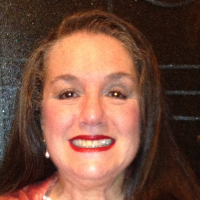
Florida · 13 yrs exp
LMHC - Young adult life and relationships
Stress, Anxiety · Relationship · Intimacy-related issues · Depression · +15 more
Read profile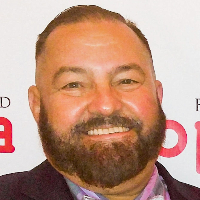
Florida · 32 yrs exp
LMHC - Stress and Relationship concerns
Stress, Anxiety · Relationship · Trauma and abuse · Bipolar · +8 more
Read profile
Florida · 11 yrs exp
LMHC - Stress and Relationship support
Stress, Anxiety · Relationship · Parenting · Self esteem · +11 more
Read profile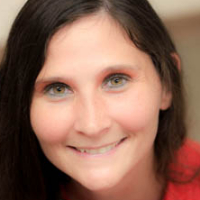
Florida · 18 yrs exp
Dr. Nicole Thweatt, LMHC - Young adult issues and relationships
Stress, Anxiety · Parenting · Anger · Self esteem · +13 more
Read profile
Florida · 11 yrs exp
LMHC - Stress and Anxiety support
Stress, Anxiety · Relationship · Family · Grief · +7 more
Read profile
Florida · 8 yrs exp
LMHC - Stress and Young Adult Concerns
Stress, Anxiety · Trauma and abuse · Parenting · Self esteem · +11 more
Read profile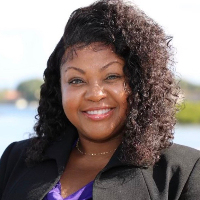
Florida · 9 yrs exp
Licensed Mental Health Counselor - Young adult issues
Stress, Anxiety · Family · Parenting · Anger · +11 more
Read profile
Florida · 20 yrs exp
Florida LMHC - Young adult issues and addictions
Stress, Anxiety · Addictions · Relationship · Intimacy-related issues · +14 more
Read profile
Florida · 9 yrs exp
Licensed Mental Health Counselor - Young adult issues
Stress, Anxiety · Trauma and abuse · Parenting · Depression · +10 more
Read profile
Florida · 10 yrs exp
LMHC in Florida - Anxiety and Relationships
Stress, Anxiety · Addictions · Relationship · Anger · +7 more
Read profile
Florida · 11 yrs exp
LMHC in Florida - Young adult issues and relationships
Stress, Anxiety · Trauma and abuse · Grief · Depression · +8 more
Read profile
Florida · 10 yrs exp
LMHC - Mood and life transition support
Stress, Anxiety · Addictions · Anger · Bipolar · +11 more
Read profile
Florida · 30 yrs exp
Dr. Douglass Lobo - LMHC, Young adult and relationship concerns
Stress, Anxiety · Family · Trauma and abuse · Parenting · +14 more
Read profile
Florida · 11 yrs exp
LMHC - Young adult issues and anxiety
Stress, Anxiety · Family · Trauma and abuse · Self esteem · +13 more
Read profile
Florida · 18 yrs exp
LMFT - Relationship and Family care
Relationship · Family · Intimacy-related issues
Read profile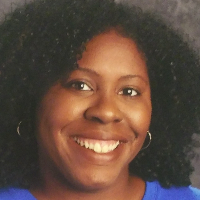
Florida · 8 yrs exp
Licensed Mental Health Counselor - Young adult concerns
Stress, Anxiety · Family · Parenting · Self esteem · +1 more
Read profile
Florida · 30 yrs exp
Licensed Mental Health Counselor - Young adult issues
Stress, Anxiety · Relationship · Family · Self esteem · +15 more
Read profile
Florida · 14 yrs exp
Licensed Mental Health Counselor - Young adult issues
Stress, Anxiety · Relationship · Trauma and abuse · Self esteem · +10 more
Read profile
Florida · 24 yrs exp
Licensed counselor - Young adult issues and addiction support
Stress, Anxiety · Grief · Depression · Coping with life changes · +13 more
Read profile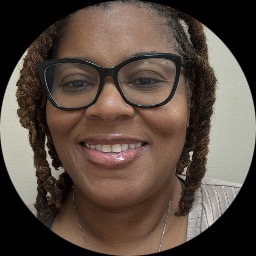
Florida · 8 yrs exp
Florida LMHC - family and trauma
Family · Trauma and abuse · Parenting · Anger · +1 more
Read profile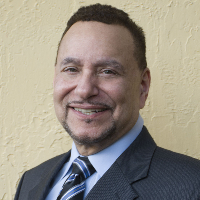
Florida · 30 yrs exp
LMHC and LMFT - Stress and Relationship Concerns
Stress, Anxiety · Addictions · Trauma and abuse · Grief · +14 more
Read profile
Florida · 7 yrs exp
Florida LMHC focusing on anxiety and life change
Stress, Anxiety · Addictions · Relationship · Trauma and abuse · +15 more
Read profile
Florida · 26 yrs exp
Licensed Marriage and Family Therapist - Relationships and Young Adult Issues
Stress, Anxiety · Relationship · Family · Parenting · +9 more
Read profile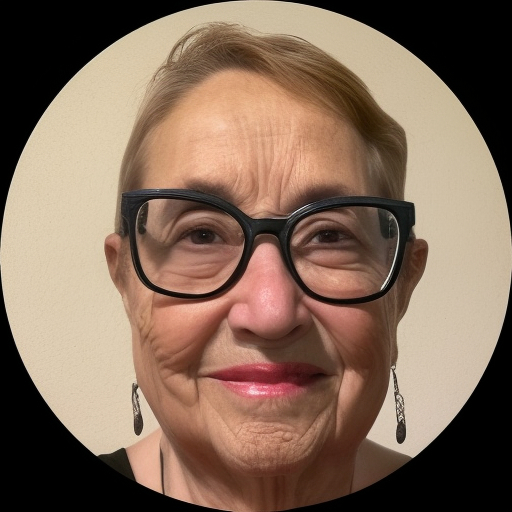
Florida · 37 yrs exp
Florida LMHC - grief and life changes
Grief · Self esteem · Depression · Coping with life changes · +10 more
Read profile
Florida · 12 yrs exp
LMHC - Stress and Relationships
Stress, Anxiety · Relationship · Family · Self esteem · +3 more
Read profile
Florida · 38 yrs exp
Florida LMHC - Young adult issues and anxiety
Stress, Anxiety · Relationship · Self esteem · Depression · +12 more
Read profile
Florida · 12 yrs exp
Florida LMHC - Young adult and anxiety support
Stress, Anxiety · Addictions · Family · Self esteem · +15 more
Read profile
Florida · 13 yrs exp
LMHC - Young adult stress and relationships
Stress, Anxiety · Relationship · Self esteem · Depression · +1 more
Read profile
Florida · 32 yrs exp
Florida LMHC - Young adult concerns
Stress, Anxiety · Trauma and abuse · Parenting · Depression · +16 more
Read profile
Florida · 8 yrs exp
LMHC - Stress and Young Adult Issues
Stress, Anxiety · Relationship · Trauma and abuse · Parenting · +10 more
Read profile
Florida · 19 yrs exp
Licensed counselor - young adult concerns
Stress, Anxiety · LGBT · Family · Trauma and abuse · +2 more
Read profile
Florida · 13 yrs exp
Florida LMHC - Young adult issues
Stress, Anxiety · Grief · Parenting · Self esteem · +9 more
Read profile
Florida · 7 yrs exp
LMHC - Young adult issues and relationships
Stress, Anxiety · Relationship · Trauma and abuse · Intimacy-related issues · +15 more
Read profile
Florida · 8 yrs exp
LMHC in Florida - Anxiety and Young Adult Issues
Stress, Anxiety · Trauma and abuse · Depression · Relationship · +5 more
Read profile
Florida · 11 yrs exp
LMHC - Young adult issues and relationships
Stress, Anxiety · Relationship · Family · Trauma and abuse · +4 more
Read profile
Florida · 11 yrs exp
LMHC in Florida - Addictions and Relationship concerns
Addictions · LGBT · Trauma and abuse · Grief · +12 more
Read profile
Florida · 12 yrs exp
Florida LMHC - Young adult issues and relationships
Stress, Anxiety · Relationship · Parenting · Self esteem · +5 more
Read profile
Florida · 27 yrs exp
Florida LMHC - Young adult concerns and relationships
Addictions · Relationship · Trauma and abuse · Intimacy-related issues · +16 more
Read profile
Florida · 8 yrs exp
Florida LMHC - Young adult and family concerns
Stress, Anxiety · Relationship · Family · Parenting · +1 more
Read profile
Florida · 6 yrs exp
LMHC - Stress and Young Adult Issues
Stress, Anxiety · Trauma and abuse · Grief · Self esteem · +12 more
Read profile
Florida · 10 yrs exp
Florida LMHC - Young adult issues
Stress, Anxiety · Anger · Self esteem · Depression · +2 more
Read profile
Florida · 5 yrs exp
Florida LMHC - Young adult issues, Anxiety
Stress, Anxiety · Addictions · Family · Trauma and abuse · +14 more
Read profile
Florida · 15 yrs exp
Florida LMHC - Young adult issues, anxiety
Stress, Anxiety · Anger · Self esteem · Coping with life changes · +1 more
Read profile
Florida · 23 yrs exp
Florida LMHC - Addictions and Depression
Addictions · Self esteem · Depression · Coping with life changes
Read profile
Florida · 7 yrs exp
LMHC - Young adult issues and relationships
Stress, Anxiety · Relationship · Trauma and abuse · Anger · +1 more
Read profile
Florida · 11 yrs exp
Licensed therapist - Young adult issues
Stress, Anxiety · Relationship · Family · Trauma and abuse · +14 more
Read profile
Florida · 5 yrs exp
LMHC - Stress and Trauma focused
Stress, Anxiety · Trauma and abuse · Grief · Anger · +1 more
Read profile
Florida · 11 yrs exp
LMHC in Florida - Young adult and family concerns
Stress, Anxiety · Parenting · Self esteem · Depression · +10 more
Read profile
Florida · 20 yrs exp
Florida LMHC - Stress and relationships
Stress, Anxiety · Intimacy-related issues · Self esteem · Compassion fatigue · +7 more
Read profile
Florida · 10 yrs exp
Florida LMHC - Young adult issues
Stress, Anxiety · Relationship · Parenting · Self esteem · +1 more
Read profileIn your late teens and twenties you may be juggling multiple transitions at once - leaving home, finishing studies, managing first jobs, handling money pressure and figuring out relationships and identity. You might feel held back by comparison on social media, worry that you are falling behind peers, or be coping with anxiety around exams, career choices or long-term plans. When you look at profiles, pay attention to how clinicians describe their focus areas. Some will explicitly list study and exam stress, workplace stress, career uncertainty, or social comparison as areas they work with. Other profiles might describe broader themes like identity exploration, adjustment to adult roles, or life transitions. That language matters because it gives clues about the kinds of experience a clinician emphasizes in their work with young adults.
You do not need every concern to be named on a profile for a clinician to be a useful match, but noting what is emphasized helps you narrow profiles that align with your current priorities. If your mood includes thoughts of self-harm or you are at immediate risk, call local emergency services or a crisis line right away rather than waiting to compare profiles.
The phrase "listed location Florida" groups profiles that indicate Florida in their record, but it does not by itself confirm that a clinician maintains an office or is permitted to practice in every part of the state. You should open individual profiles to see how a clinician describes where they work and to confirm permission to work together where you live. Profiles will typically show academic degrees such as PhD, PsyD, MD, MA or MSW. Those degrees describe a practitioner's education but are not the same as a current professional authorization to provide care. In the United States, clinicians often hold state licenses with abbreviations such as LCSW, LPC, LMFT or psychology licenses; in the United Kingdom clinicians may reference registration or membership with professional bodies; in Australia clinicians may reference registration or membership with national or regional organizations. Because terminology and rules differ across countries and states, look for specific statements on a profile about where a clinician is authorized to practice and ask directly if you are unsure.
When you read credentials on a profile, separate academic degrees from permission-to-practice terms. A degree signals training and study in a field. Licensing, registration or membership describe whether a practitioner currently has permission to work in a jurisdiction or is part of a professional body. Profiles may use a mix of these terms, so check the language carefully and raise any questions you have with the clinician before proceeding.
When you review a profile, think of it as the starting point for a conversation. Concrete questions help you learn whether a clinician's approach fits how you like to work. You might ask whether they typically work with adults in the 18 to 30 age range, and what kinds of issues they most often support - for example, leaving home, settling into a first job, relationship transitions, or navigating identity and belonging. Ask which approaches they list among their methods and how they adapt those approaches for young adults. Use neutral phrasing like "I see you list cognitive-behavioural approaches or EMDR among your approaches - how do you integrate those ideas when someone comes with exam stress or social comparison concerns?" Asking about examples of past work is reasonable - for instance, you can request a brief description of how they helped someone address the specific problem you face, without expecting guarantees or promises about outcomes.
Also consider practical conversational questions about working relationship and style. Ask how they describe the therapeutic relationship, whether they focus more on skills and problem solving or on exploring patterns and meaning, and how they handle differences in identity, values or cultural background. If language matters to you, confirm which languages are offered and whether sessions are conducted in those languages. These questions create clarity about the clinician's approach and how it might align with the way you prefer to work.
If you are considering online care, several practical topics are important to cover early on. Confirm where the clinician is permitted to provide services and that they can work with you where you live. Discuss how they handle emergencies and what you should do if a session raises urgent safety concerns - ask for local emergency contacts if you are in a different part of the state. Talk about technology expectations - which video or audio platforms they use, what to do about connectivity interruptions, and how they handle session notes and records in terms you understand. You can also ask how they approach consent, including what you should expect in terms of boundaries and the clinician's professional responsibilities. If you have concerns about privacy during sessions at home, describe your situation and ask how others have navigated similar issues; you might need to find a private space for sessions or agree on alternate arrangements.
Be explicit about the scope of care. If you have overlapping medical questions or think you may need medication, ask how the clinician coordinates with other healthcare professionals and whether they work collaboratively with prescribers. If your low mood includes thoughts of self-harm, tell the clinician and call local emergency services or crisis lines immediately. These conversations help you set clear expectations before you begin.
When you compare profiles, read beyond single words and look for patterns. Does a profile describe particular life stages or transitions that match your situation - for example, recent graduates, early career challenges, or moving away from family? Note whether clinicians list concrete focus areas such as study stress, career transitions, financial anxiety or identity exploration. Also check whether profiles mention experience working with issues common to young adulthood like social media comparison, relationship instability, or perfectionism. For languages, verify which languages the clinician lists and consider whether having sessions in your preferred language matters to you.
Look at how clinicians present their credentials and the jurisdictions they reference. Some profiles will spell out degrees and professional authorizations; others will focus more on therapeutic style and values. To compare style, read the profile text for phrases that describe the therapeutic relationship - whether it emphasizes collaboration, practical skills, reflective work, or supportive guidance. Ask specific comparison questions to yourself: Which profiles name the life transitions that worry you most? Which profiles describe an approach that matches how you like to process problems - more action-oriented or more exploratory? Which clinicians list languages and cultural competency that reflect your needs? After narrowing choices, open individual profiles to confirm permission to work together where you live and to contact a clinician with any remaining questions.
Your search is a process of gathering information and making a choice that fits your needs and preferences. Use the profiles to form concrete questions, verify credentials and jurisdictional permission, and to find clinicians whose focus areas and style resonate with you. If a profile does not give you enough detail, reach out to the clinician through the contact options on their profile and ask the specific questions that matter to you. That way you can make an informed decision about who to speak with next.
Addictions
3562 therapists
ADHD
3653 therapists
Anger
4592 therapists
Control Issues
4299 therapists
Depression
6422 therapists
Grief
5112 therapists
Guilt and Shame
5731 therapists
Impulsivity
3664 therapists
Intimacy Issues
3586 therapists
Isolation / Loneliness
5502 therapists
Mood Disorders
4358 therapists
OCD
2746 therapists
Panic Disorder and Panic Attacks
4249 therapists
Phobias
2072 therapists
Post-Traumatic Stress
4782 therapists
Seasonal Affective Disorder (SAD)
3284 therapists
Self Esteem
6381 therapists
Sleeping Disorders
2085 therapists
Social Anxiety and Phobia
5238 therapists
Stress & Anxiety
7062 therapists
Trauma and Abuse
5667 therapists
Abandonment
4241 therapists
Attachment Issues
4629 therapists
Body Image
3427 therapists
Career
4086 therapists
Commitment Issues
3663 therapists
Communication Problems
6056 therapists
Coping with Life Changes
5929 therapists
Family
5310 therapists
Family of Origin Issues
3317 therapists
Forgiveness
5251 therapists
Infidelity
3363 therapists
Jealousy
3459 therapists
Life Purpose
5812 therapists
Money and Financial Issues
2722 therapists
Relationship
6020 therapists
Self-Love
5947 therapists
Sexuality
2720 therapists
Workplace Issues
4892 therapists