
Ruth Vanden Bosch
LPCMichigan · 25 yrs exp
Licensed Professional Counselor - Young adult concerns
Stress, Anxiety · LGBT · Relationship · Grief · +10 more
Read profileTherapist listings are provided by BetterHelp. We will earn a commission at no additional cost to you if you use our links to purchase.
Compare therapists who list Intimacy Issues alongside other young adult concerns by focus, approaches, languages, credentials and listed location. Browse profiles to learn more about each therapist's background and style, then reach out to those who feel like a good fit.
Michigan · 25 yrs exp
Licensed Professional Counselor - Young adult concerns
Stress, Anxiety · LGBT · Relationship · Grief · +10 more
Read profile
Alabama · 22 yrs exp
LPC in Alabama - Young adult and life transitions
Stress, Anxiety · Trauma and abuse · Anger · Self esteem · +16 more
Read profile
South Carolina · 16 yrs exp
LMFT - Young adult issues and relationships
Stress, Anxiety · Relationship · Family · Parenting · +14 more
Read profile
Florida · 20 yrs exp
Dr. Daniella Jackson - LMHC, Addiction and Life Transitions
Stress, Anxiety · Addictions · Relationship · Self esteem · +16 more
Read profile
North Carolina · 16 yrs exp
Dr. Christina Collins, LCMHC - Stress and Relationship concerns
Stress, Anxiety · Relationship · Trauma and abuse · Grief · +7 more
Read profile
Kansas · 12 yrs exp
Licensed Clinical Marriage and Family Therapist - Young adult issues
Stress, Anxiety · Relationship · Intimacy-related issues · Depression · +13 more
Read profile
Kentucky · 18 yrs exp
Licensed marriage and family therapist - relationships and identity
LGBT · Relationship · Family · Self esteem · +14 more
Read profile
Louisiana · 7 yrs exp
Dr. Tanya Harrell - LPC, young adult issues and anxiety
Stress, Anxiety · Family · Trauma and abuse · Parenting · +15 more
Read profile
Florida · 7 yrs exp
LMHC - Young adult issues and addictions
Addictions · Relationship · Family · Trauma and abuse · +13 more
Read profile
Michigan · 5 yrs exp
Licensed Professional Counselor - Young adult issues
Stress, Anxiety · Relationship · Family · Self esteem · +12 more
Read profile
Pennsylvania · 12 yrs exp
Licensed counselor - Young adult concerns
Stress, Anxiety · Relationship · Self esteem · Depression · +11 more
Read profile
Arizona · 6 yrs exp
Licensed Professional Counselor - Young adult issues
Stress, Anxiety · Relationship · Family · Self esteem · +11 more
Read profile
Florida · 26 yrs exp
LMHC in Florida - Young adult and relationship issues
Relationship · Grief · Self esteem · Depression · +13 more
Read profile
Texas · 17 yrs exp
Licensed Professional Counselor - Young adult issues
Stress, Anxiety · Family · Depression · Coping with life changes · +12 more
Read profile
Florida · 12 yrs exp
LMHC - Young adult issues and relationships
Stress, Anxiety · Relationship · Intimacy-related issues · Depression · +8 more
Read profile
Missouri · 7 yrs exp
Licensed Professional Counselor - Anxiety and Addictions
Stress, Anxiety · Addictions · Relationship · Self esteem · +13 more
Read profile
Florida · 17 yrs exp
Florida LMHC - Young adult issues and relationships
Stress, Anxiety · Addictions · Relationship · Family · +14 more
Read profile
Louisiana · 10 yrs exp
Licensed counselor - Young adult issues
Stress, Anxiety · Relationship · Family · Depression · +12 more
Read profile
Texas · 10 yrs exp
LPC in Texas - Young adult stress and relationships
Stress, Anxiety · Relationship · Family · Depression · +14 more
Read profile
Texas · 11 yrs exp
LPC in Texas - relationships and anxiety
Stress, Anxiety · Relationship · Family · Parenting · +9 more
Read profile
Illinois · 10 yrs exp
Illinois LCPC - Young adult issues and relationships
Stress, Anxiety · LGBT · Relationship · Trauma and abuse · +10 more
Read profile
Florida · 14 yrs exp
Licensed Mental Health Counselor - Relationships and Mood
Stress, Anxiety · Trauma and abuse · Bipolar · Depression · +16 more
Read profile
Texas · 13 yrs exp
Licensed counselor and marriage therapist - young adult concerns
Stress, Anxiety · LGBT · Relationship · Trauma and abuse · +12 more
Read profile
Washington · 12 yrs exp
LMHC - Young adult issues and relationships
Stress, Anxiety · Relationship · Family · Self esteem · +15 more
Read profile
Minnesota · 23 yrs exp
LMFT - Young adult issues and relationships
Stress, Anxiety · Relationship · Trauma and abuse · Self esteem · +13 more
Read profile
Louisiana · 22 yrs exp
LMFT and LPC - Stress and Young Adult Issues
Stress, Anxiety · Relationship · Family · Grief · +11 more
Read profile
Colorado · 11 yrs exp
LPC counselor - Young adult issues, life transitions
Stress, Anxiety · LGBT · Trauma and abuse · Anger · +15 more
Read profile
Michigan · 15 yrs exp
Licensed counselor - young adult issues
Stress, Anxiety · Anger · Self esteem · Depression · +10 more
Read profile
Michigan · 21 yrs exp
LMSW - Anxiety and relationship concerns
Stress, Anxiety · Relationship · Family · Bipolar · +14 more
Read profile
Texas · 22 yrs exp
Licensed Professional Counselor - Young adult issues and relationships
Stress, Anxiety · Relationship · Trauma and abuse · Depression · +16 more
Read profile
Kentucky · 11 yrs exp
Licensed Marriage and Family Therapist - Relationships and Life Change
Stress, Anxiety · Relationship · Family · Self esteem · +9 more
Read profile
South Dakota · 12 yrs exp
Licensed counselor - young adult concerns
Stress, Anxiety · Relationship · Family · Trauma and abuse · +13 more
Read profile
Pennsylvania · 9 yrs exp
LPC in Pennsylvania - life transitions and relationships
Stress, Anxiety · Grief · Parenting · Self esteem · +11 more
Read profile
Wisconsin · 11 yrs exp
LPC in Wisconsin - young adult issues and life transitions
Stress, Anxiety · Family · Trauma and abuse · Depression · +12 more
Read profile
Florida · 10 yrs exp
LMHC - Stress and Young Adult Issues
Stress, Anxiety · Family · Parenting · Self esteem · +10 more
Read profile
Texas · 23 yrs exp
Licensed Professional Counselor - Relationships and Young adult issues
Stress, Anxiety · Relationship · Self esteem · Career · +11 more
Read profile
Pennsylvania · 6 yrs exp
Licensed Professional Counselor - Young adult issues
Stress, Anxiety · LGBT · Relationship · Self esteem · +15 more
Read profile
Arizona · 22 yrs exp
Licensed Professional Counselor - Young adult issues and life changes
Stress, Anxiety · Relationship · Family · Grief · +16 more
Read profile
Virginia · 14 yrs exp
Licensed Professional Counselor - Trauma and Young Adult Concerns
Trauma and abuse · Grief · Coping with life changes · Compassion fatigue · +12 more
Read profile
Florida · 20 yrs exp
Licensed Mental Health Counselor - Young adult concerns
Stress, Anxiety · Grief · Self esteem · Depression · +9 more
Read profile
Ohio · 20 yrs exp
LISW - Young adult stress and relationships
Stress, Anxiety · LGBT · Family · Grief · +16 more
Read profile
Georgia · 3 yrs exp
Licensed Professional Counselor - Young adult concerns
Stress, Anxiety · Relationship · Family · Intimacy-related issues · +6 more
Read profile
Virginia · 13 yrs exp
Licensed Professional Counselor - Stress and Anxiety
Stress, Anxiety · Anger · Self esteem · Depression · +9 more
Read profile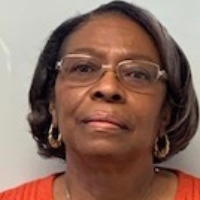
Alabama · 20 yrs exp
Licensed Professional Counselor - Young adult issues
Stress, Anxiety · Relationship · Grief · Depression · +9 more
Read profile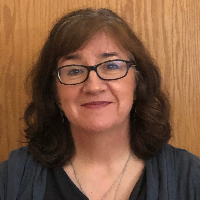
Wisconsin · 17 yrs exp
Licensed Professional Counselor - Young adult concerns
Stress, Anxiety · Relationship · Trauma and abuse · Self esteem · +11 more
Read profile
Oregon · 15 yrs exp
Licensed Professional Counselor - Young adult issues and addictions
Stress, Anxiety · Addictions · Relationship · Trauma and abuse · +12 more
Read profile
Florida · 13 yrs exp
LMHC - Young adult life and relationships
Stress, Anxiety · Relationship · Intimacy-related issues · Depression · +15 more
Read profile
Colorado · 19 yrs exp
LPC - Young adult stress and relationships
Stress, Anxiety · Addictions · Self esteem · Depression · +14 more
Read profile
Michigan · 16 yrs exp
Licensed Counselor - Young adult issues and addictions
Stress, Anxiety · Addictions · Relationship · Parenting · +8 more
Read profile
Ohio · 17 yrs exp
LISW - Young adult concerns and life change
Stress, Anxiety · Family · Parenting · Depression · +12 more
Read profile
Michigan · 31 yrs exp
LMSW - Young adult issues and relationships
Stress, Anxiety · Family · Trauma and abuse · Self esteem · +16 more
Read profile
Florida · 32 yrs exp
LMHC - Stress and Relationship concerns
Stress, Anxiety · Relationship · Trauma and abuse · Bipolar · +8 more
Read profile
Georgia · 7 yrs exp
Licensed Marriage and Family Therapist - Young adult issues
Stress, Anxiety · Relationship · Intimacy-related issues · Anger · +11 more
Read profile
Oregon · 17 yrs exp
LMFT - Stress and Relationship Concerns
Stress, Anxiety · Trauma and abuse · Grief · Intimacy-related issues · +1 more
Read profile
Kansas · 17 yrs exp
Licensed Clinical Professional Counselor - Young adult issues
Stress, Anxiety · Relationship · Family · Anger · +10 more
Read profile
California · 5 yrs exp
Licensed MFT - Relationships and Young Adult Concerns
Relationship · Grief · Parenting · Self esteem · +11 more
Read profile
Michigan · 13 yrs exp
LPC - Young adult issues and trauma
Trauma and abuse · Intimacy-related issues · ADHD · Eating · +1 more
Read profile
Tennessee · 35 yrs exp
Licensed LMFT - Addictions and Relationships
Addictions · Relationship · Family · Trauma and abuse · +1 more
Read profile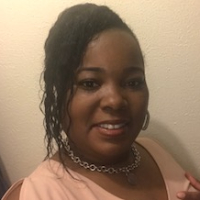
Louisiana · 10 yrs exp
Licensed Professional Counselor - Young adult issues
Stress, Anxiety · Trauma and abuse · Anger · Self esteem · +8 more
Read profile
Colorado · 13 yrs exp
LMFT - Young adult issues and relationships
Stress, Anxiety · LGBT · Relationship · Trauma and abuse · +10 more
Read profileIn your late teens and twenties you are navigating changes that shape how you relate to others. You might be leaving home, starting university or a first job, learning to manage money, and trying to make long-term decisions about relationships and identity. These life transitions can surface questions about trust, sexual expression, boundaries, desire, emotional availability and attachment. You may notice patterns that make it hard to form or sustain close relationships or feel misunderstood when intimacy feels risky. These are common experiences for this life stage, and you do not need to treat them as fixed traits.
Intimacy issues can look different from person to person. For some people the struggle is feeling too dependent or losing themselves in relationships. For others it is the opposite - a difficulty in letting people in, a fear of vulnerability, or mismatches in sexual desire. Social comparison and online life can intensify feelings of falling behind, making it harder to connect authentically. When you explore these concerns in therapy, you will often focus on both practical relationship skills and the deeper patterns rooted in your history, current stressors and identity work.
This directory groups professionals who list Intimacy Issues alongside other young adult topics so you can find profiles that reflect your combined concerns. That does not mean every profile demonstrates specialist certification or that a listed focus is evidence of a therapist's outcomes. Instead, the grouping helps you see therapists who mention intimacy issues in the context of young adult transitions such as leaving home, study pressures, early careers, money worries and identity exploration. You can use that context to consider whether a therapist’s experience aligns with the life stage you are navigating.
When you read profiles, notice how therapists describe their interest in working with young adults and intimacy. Some will highlight experience with anxiety around dating, identity and sexual orientation, or communication skills after major life changes. Others may describe approaches they use to explore attachment history or build emotional regulation. Profiles are a starting point - you should ask any therapist you contact how they understand the link between your life stage and intimacy difficulties, and whether that perspective matches what you want to work on.
Before you decide to reach out, it helps to have concrete questions ready so you can compare profiles on substance rather than style alone. You might ask how the therapist conceptualizes intimacy issues - do they focus on communication and skills, past relational patterns, or body-focused concerns? Ask whether they have experience working with young adults and the specific transitions you are facing, such as starting a new job, navigating long-distance relationships or exploring sexual identity. If you have a preference for particular approaches, you can ask whether they list those approaches among the ones they use, for example asking about therapists who list EMDR among their approaches or those who mention emotion-focused work.
It is also important to clarify scope of practice. A listed topic does not establish that a therapist treats couples or families, or that they provide diagnosis or medication management. If you are hoping for a therapist who works with couples, trauma, or sexual health assessments, ask directly whether they include that type of work in their practice. When you compare profiles, pay attention to the languages offered, the way credentials are described, and how a therapist frames their clinical focus. Remember that academic degrees such as PhD, PsyD, MD, MA or MSW are not the same as professional permission to practice. Degrees tell you about training background; licensure, registration or professional membership indicate the regulatory context for practice in different countries.
If you are considering remote or in-person meetings, plan to talk about practical and safety-related topics before starting. Ask how the therapist handles scheduling and cancellations, what their typical session focus might be for intimacy work, and whether they offer short-term or longer-term support. Discuss how they approach information-sharing boundaries, including their privacy practices and how they manage records and communications. It is reasonable to ask how they handle emergencies or urgent concerns if you are not able to meet in person. If your concerns include low mood or thoughts of self-harm, make sure you and the therapist discuss local emergency contacts and crisis lines - and if you are in immediate danger or at risk, contact local emergency services or a crisis line right away.
Also consider practical factors that influence how comfortable you will be in sessions. You can ask about language options, whether they work with clinicians from diverse backgrounds and identities, and how they support discussions about sexual health, consent, cultural norms and identity. If you expect to discuss sexual activity, non-monogamy, gender identity or other sensitive topics, ask how they create a safe setting for those conversations and what boundaries they set regarding disclosure and referrals. These conversations beforehand can help you feel clearer about what to expect and whether a profile’s stated focus aligns with your needs.
When reviewing profiles, look for concrete clues that match your priorities. Read how a therapist describes their clinical focus and the populations they mention. If you need help with relationship communication, find profiles that explicitly mention interest in communication skills or attachment work alongside intimacy. If cultural fit is important, check listed languages and any mention of work with specific communities. Remember that a profile may list multiple focus areas - consider which combinations feel relevant to you, such as intimacy concerns paired with anxiety, identity exploration or life transitions.
Examine credentials carefully and differentiate degrees from permission to practice. In the United States, practitioners commonly hold state licensure designations that indicate their regulated scope of practice. In the United Kingdom and Australia, look for registration with recognized regulators or membership in professional bodies relevant to psychotherapy and counselling. A degree such as a PhD or MSW indicates academic training, while registration, licensure or recognized membership speaks to professional standing within a country’s regulatory framework. If a profile does not clearly state registration or licensure, you can ask about it when you make contact.
Finally, pay attention to the tone and style of each profile. Some therapists write in a direct, clinical style while others describe their approach in conversational terms. Consider whether you prefer a therapist who emphasizes practical skills and goal-setting, or one who foregrounds exploration of emotions and patterns. Note whether they mention working with young adults and transitions relevant to your life. Comparing profiles on focus areas, languages, credentials and style will help you identify a shortlist to contact and discuss your specific needs in more depth. Remember that profiles are a starting point - the conversation you have with a therapist will give you the clearest sense of fit for working through intimacy concerns in this stage of life.
Alabama
124 therapists
Alaska
4 therapists
Arizona
69 therapists
Arkansas
45 therapists
Australia
237 therapists
California
396 therapists
Colorado
109 therapists
Connecticut
35 therapists
Delaware
6 therapists
District of Columbia
18 therapists
Florida
591 therapists
Georgia
189 therapists
Hawaii
14 therapists
Idaho
40 therapists
Illinois
131 therapists
Indiana
64 therapists
Iowa
30 therapists
Kansas
46 therapists
Kentucky
62 therapists
Louisiana
132 therapists
Maine
9 therapists
Maryland
108 therapists
Massachusetts
87 therapists
Michigan
273 therapists
Minnesota
100 therapists
Mississippi
63 therapists
Missouri
156 therapists
Montana
23 therapists
Nebraska
40 therapists
Nevada
24 therapists
New Hampshire
12 therapists
New Jersey
108 therapists
New Mexico
13 therapists
New York
200 therapists
North Carolina
209 therapists
North Dakota
3 therapists
Ohio
191 therapists
Oklahoma
115 therapists
Oregon
25 therapists
Pennsylvania
198 therapists
Rhode Island
13 therapists
South Carolina
156 therapists
South Dakota
18 therapists
Tennessee
87 therapists
Texas
728 therapists
United Kingdom
1773 therapists
Utah
30 therapists
Vermont
13 therapists
Virginia
77 therapists
Washington
77 therapists
West Virginia
29 therapists
Wisconsin
76 therapists
Wyoming
17 therapists