
Stacey Langley
LISWIowa · 9 yrs exp
Licensed Independent Social Worker - Young adult issues
Stress, Anxiety · Relationship · Family · Trauma and abuse · +8 more
Read profileTherapist listings are provided by BetterHelp. We will earn a commission at no additional cost to you if you use our links to purchase.
Browse profiles of professionals in the listed location Iowa who include young adult concerns among their focus areas. Compare approaches, focus areas, languages and academic credentials, then open profiles to learn more and decide who to contact.
Iowa · 9 yrs exp
Licensed Independent Social Worker - Young adult issues
Stress, Anxiety · Relationship · Family · Trauma and abuse · +8 more
Read profile
Iowa · 25 yrs exp
LISW - Young adult issues and trauma
Stress, Anxiety · Relationship · Trauma and abuse · Self esteem · +12 more
Read profile
Iowa · 9 yrs exp
LMHC - Trauma and life transitions
Trauma and abuse · Grief · Anger · Self esteem · +10 more
Read profile
Iowa · 5 yrs exp
LMFT - Relationships and Life Transitions
Stress, Anxiety · Family · Trauma and abuse · Parenting · +12 more
Read profile
Iowa · 7 yrs exp
Licensed social worker - anxiety and relationships
Stress, Anxiety · Trauma and abuse · Self esteem · Depression · +12 more
Read profile
Iowa · 7 yrs exp
LMHC - Stress and Young Adult Issues
Stress, Anxiety · Grief · Parenting · Anger · +1 more
Read profile
Iowa · 3 yrs exp
LISW - Young adult stress and relationships
Stress, Anxiety · Relationship · Family · Trauma and abuse · +1 more
Read profile
Iowa · 15 yrs exp
LISW - Stress and Addiction support
Stress, Anxiety · Addictions · Depression · Compassion fatigue
Read profile
Iowa · 3 yrs exp
LMHC - Young adult issues and anxiety
Stress, Anxiety · Intimacy-related issues · Self esteem · Depression · +1 more
Read profile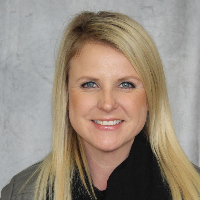
Iowa · 6 yrs exp
Licensed Mental Health Counselor - Young adult issues and addictions
Stress, Anxiety · Addictions · Trauma and abuse · Grief · +12 more
Read profile
Iowa · 8 yrs exp
Licensed Mental Health Counselor - Young adult issues
Stress, Anxiety · Trauma and abuse · Sleeping · Self esteem · +7 more
Read profile
Iowa · 15 yrs exp
LMHC - Young adult issues and trauma
Stress, Anxiety · LGBT · Relationship · Trauma and abuse · +13 more
Read profile
Iowa · 6 yrs exp
LISW - Mood disorders and trauma
Stress, Anxiety · Trauma and abuse · Grief · Depression · +7 more
Read profile
Iowa · 9 yrs exp
LMHC - Stress and Trauma focus
Stress, Anxiety · Trauma and abuse · Grief · Self esteem · +12 more
Read profile
Iowa · 25 yrs exp
LMHC in Iowa - Young adult issues and relationships
Stress, Anxiety · Relationship · Anger · Depression · +1 more
Read profile
Iowa · 8 yrs exp
Licensed counselor - Young adult concerns
Stress, Anxiety · Grief · Self esteem · Depression · +12 more
Read profile
Iowa · 7 yrs exp
Iowa LISW - Young adult and anxiety support
Stress, Anxiety · Self esteem · Depression · Coping with life changes · +9 more
Read profile
Iowa · 8 yrs exp
Iowa LMHC - Young adult issues and anxiety
Stress, Anxiety · Self esteem · Coping with life changes · Relationship · +3 more
Read profile
Iowa · 10 yrs exp
LMHC - Relationships and Young Adult Issues
Relationship · Self esteem · Coping with life changes · Stress, Anxiety · +11 more
Read profile
Iowa · 9 yrs exp
Licensed counselor - Young adult issues
Stress, Anxiety · Addictions · Relationship · Trauma and abuse · +15 more
Read profile
Iowa · 16 yrs exp
LMFT - Young adult issues and relationships
Addictions · Relationship · Trauma and abuse · Intimacy-related issues · +2 more
Read profile
Iowa · 4 yrs exp
Licensed Independent Social Worker - Young adult issues
Stress, Anxiety · Grief · Self esteem · Depression · +12 more
Read profile
Iowa · 15 yrs exp
Licensed Mental Health Counselor - Stress and Anxiety
Stress, Anxiety · Relationship · Anger · Self esteem · +4 more
Read profile
Iowa · 11 yrs exp
Iowa LISW - Young adult and family concerns
Stress, Anxiety · Family · Trauma and abuse · Parenting · +11 more
Read profile
Iowa · 30 yrs exp
LMHC - Stress and Young Adult Issues
Stress, Anxiety · Trauma and abuse · Grief · Self esteem · +9 more
Read profile
Iowa · 20 yrs exp
Licensed Professional Counselor - Young adult concerns
Stress, Anxiety · Self esteem · Depression · Coping with life changes · +13 more
Read profile
Iowa · 5 yrs exp
Iowa LMHC - young adult issues and trauma
Stress, Anxiety · Trauma and abuse · Grief · Self esteem · +8 more
Read profile
Iowa · 12 yrs exp
LISW - Depression and Young Adult Issues
Stress, Anxiety · Relationship · Family · Grief · +1 more
Read profile
Iowa · 11 yrs exp
LMHC - Stress and relationship concerns
Stress, Anxiety · LGBT · Relationship · Trauma and abuse · +1 more
Read profile
Iowa · 6 yrs exp
LISW - Stress and Anxiety focus
Stress, Anxiety · LGBT · Intimacy-related issues · Eating · +1 more
Read profileAs you move through your twenties you are likely to face a string of transitions that affect how you feel and what you need from support. Leaving home, juggling study and exams, starting your first job or switching careers, managing money for the first time, navigating romantic relationships and thinking about identity are all common stressors. You may also find yourself comparing your progress to others on social media and feeling behind. When you read profiles, look for descriptions that match the practical challenges you are experiencing as well as the emotional impact those events have on your day-to-day life.
Profiles that mention working with young adult issues often list those concerns among other focus areas. That listing signals an interest or experience area, but it is not evidence of a particular certification or a guarantee of fit. You are the best judge of whether a profile's language and emphasis resonate with your priorities. Think about which problems you want to address first, whether you prefer a conversational or goal-oriented style, and whether you want someone who names specific populations or life stages they work with. That clarity will make comparing profiles easier and more useful.
The phrase listed location indicates where a profile is grouped for the directory. A listed location does not prove an office address, ongoing in-person services in that place, or that a practitioner has permission to work with residents there. When a profile seems like a match, check the individual profile for details and confirm directly with the practitioner that they have the appropriate permission to work together where you live.
Credentials on profiles may include academic degrees such as PhD, PsyD, MD, MA or MSW as well as professional licensing, registration or membership entries. Academic degrees describe completed programs of study. They do not on their own establish current legal permission to practice. In the United States you will often see references to professional licensing. In the United Kingdom and Australia you may see registration or membership with recognized professional bodies. These terms are not interchangeable. If it matters to you, ask a practitioner to describe the credential that authorizes their practice in the place where you live, and what that credential allows them to do.
When comparing profiles, consider specific questions that go beyond labels. Ask whether a therapist lists young adult issues among their focus areas and how they describe their typical work with that age group. You can ask which approaches they list and what that looks like in practice - for example, whether they tend to focus on skill-building for exam stress, relational patterns for dating and friendships, or exploration of identity and values. Because profile listings may include several approaches, ask which ones they use most often for concerns like yours and how they decide what to try first.
Concrete questions will help you tell profiles apart. You might ask how they structure sessions, how they set goals with clients, how they handle setbacks, and what kinds of progress conversations they have. If you have specific stressors like social media comparison, financial anxiety or the transition out of higher education, ask about prior experience addressing those topics rather than assuming a phrase on a profile proves expertise. Also ask about the age ranges they work with, since a listed topic does not establish they treat younger or older groups, couples or families unless the profile explicitly says so.
If you are considering online or remote sessions, it helps to cover practical and safety items before you begin. Talk about the technology you will use and what backup plan exists if a connection drops. Discuss expectations for communication between sessions and how scheduling or cancellations are handled. Confirm whether the practitioner is permitted to offer services where you live, especially if you and the practitioner are in different states or countries, because rules differ across jurisdictions.
It is important to agree on what will happen in an emergency. If you are experiencing low mood that includes thoughts of self-harm, contact local emergency services immediately or use a crisis line in your area. Ask the practitioner how they manage urgent situations when working remotely and what local resources they can recommend where you live. You should also clarify practical matters such as session length and how records are kept, and ask how they discuss goals and measure progress so expectations are aligned from the start.
Profiles can be compared along several practical dimensions to help you narrow choices. Focus areas tell you the topics a practitioner lists among their work, and those listings are a starting point to determine whether a profile speaks to leaving home, study pressures, job transitions, relationships or identity work. Languages listed on a profile indicate the languages the practitioner uses in sessions; if you prefer a language other than English, prioritize profiles that include that language in the profile copy.
For credentials, separate academic degrees from professional authorization. A PhD or MSW signals a level of academic training, while a license, registration or membership indicates the regulatory framework they operate under. If you need a clinician who is permitted to practice in Iowa or another jurisdiction, ask the practitioner which credential covers that permission and what it allows. Style is often revealed in the tone of the profile - some practitioners describe pragmatic, skills-focused work while others emphasize exploration and personal meaning. Read a few profiles and notice which language makes you feel heard or understood; that reaction is a useful indicator of fit.
Finally, remember that a listed topic such as young adult issues is not proof of specialist certification. The directory groups profiles under the listed location Iowa and lists many practitioners who include young adult concerns among their additional focus areas, but profiling alone does not establish an office presence, a license number, or ongoing permission to work with residents in any particular place. Always open the profile for details and confirm permission to work together where you live before beginning care. Comparing profiles thoughtfully will help you identify practitioners who match your priorities so you can reach out with focused questions and choose the next step that feels right for you.
Addictions
3562 therapists
ADHD
3653 therapists
Anger
4592 therapists
Control Issues
4299 therapists
Depression
6422 therapists
Grief
5112 therapists
Guilt and Shame
5731 therapists
Impulsivity
3664 therapists
Intimacy Issues
3586 therapists
Isolation / Loneliness
5502 therapists
Mood Disorders
4358 therapists
OCD
2746 therapists
Panic Disorder and Panic Attacks
4249 therapists
Phobias
2072 therapists
Post-Traumatic Stress
4782 therapists
Seasonal Affective Disorder (SAD)
3284 therapists
Self Esteem
6381 therapists
Sleeping Disorders
2085 therapists
Social Anxiety and Phobia
5238 therapists
Stress & Anxiety
7062 therapists
Trauma and Abuse
5667 therapists
Abandonment
4241 therapists
Attachment Issues
4629 therapists
Body Image
3427 therapists
Career
4086 therapists
Commitment Issues
3663 therapists
Communication Problems
6056 therapists
Coping with Life Changes
5929 therapists
Family
5310 therapists
Family of Origin Issues
3317 therapists
Forgiveness
5251 therapists
Infidelity
3363 therapists
Jealousy
3459 therapists
Life Purpose
5812 therapists
Money and Financial Issues
2722 therapists
Relationship
6020 therapists
Self-Love
5947 therapists
Sexuality
2720 therapists
Workplace Issues
4892 therapists