
Brooke Bowen
LPCAlabama · 22 yrs exp
LPC in Alabama - Young adult and life transitions
Stress, Anxiety · Trauma and abuse · Anger · Self esteem · +16 more
Read profileTherapist listings are provided by BetterHelp. We will earn a commission at no additional cost to you if you use our links to purchase.
Compare therapist profiles that list Infidelity among their focus areas to find clinicians whose approach, experience with young adult issues, listed location, credentials, languages, and therapeutic style match what you need. Browse the profiles below to review details and decide which profiles you want to learn more about.
Alabama · 22 yrs exp
LPC in Alabama - Young adult and life transitions
Stress, Anxiety · Trauma and abuse · Anger · Self esteem · +16 more
Read profile
South Carolina · 16 yrs exp
LMFT - Young adult issues and relationships
Stress, Anxiety · Relationship · Family · Parenting · +14 more
Read profile
Florida · 20 yrs exp
Dr. Daniella Jackson - LMHC, Addiction and Life Transitions
Stress, Anxiety · Addictions · Relationship · Self esteem · +16 more
Read profile
Kansas · 12 yrs exp
Licensed Clinical Marriage and Family Therapist - Young adult issues
Stress, Anxiety · Relationship · Intimacy-related issues · Depression · +13 more
Read profile
Kentucky · 18 yrs exp
Licensed marriage and family therapist - relationships and identity
LGBT · Relationship · Family · Self esteem · +14 more
Read profile
Louisiana · 7 yrs exp
Dr. Tanya Harrell - LPC, young adult issues and anxiety
Stress, Anxiety · Family · Trauma and abuse · Parenting · +15 more
Read profile
Florida · 7 yrs exp
LMHC - Young adult issues and addictions
Addictions · Relationship · Family · Trauma and abuse · +13 more
Read profile
Pennsylvania · 12 yrs exp
Licensed counselor - Young adult concerns
Stress, Anxiety · Relationship · Self esteem · Depression · +11 more
Read profile
Arizona · 6 yrs exp
Licensed Professional Counselor - Young adult issues
Stress, Anxiety · Relationship · Family · Self esteem · +11 more
Read profile
Florida · 26 yrs exp
LMHC in Florida - Young adult and relationship issues
Relationship · Grief · Self esteem · Depression · +13 more
Read profile
Texas · 17 yrs exp
Licensed Professional Counselor - Young adult issues
Stress, Anxiety · Family · Depression · Coping with life changes · +12 more
Read profile
Florida · 12 yrs exp
LMHC - Young adult issues and relationships
Stress, Anxiety · Relationship · Intimacy-related issues · Depression · +8 more
Read profile
Missouri · 7 yrs exp
Licensed Professional Counselor - Anxiety and Addictions
Stress, Anxiety · Addictions · Relationship · Self esteem · +13 more
Read profile
Florida · 17 yrs exp
Florida LMHC - Young adult issues and relationships
Stress, Anxiety · Addictions · Relationship · Family · +14 more
Read profile
Louisiana · 10 yrs exp
Licensed counselor - Young adult issues
Stress, Anxiety · Relationship · Family · Depression · +12 more
Read profile
Texas · 10 yrs exp
LPC in Texas - Young adult stress and relationships
Stress, Anxiety · Relationship · Family · Depression · +14 more
Read profile
Texas · 11 yrs exp
LPC in Texas - relationships and anxiety
Stress, Anxiety · Relationship · Family · Parenting · +9 more
Read profile
Illinois · 10 yrs exp
Illinois LCPC - Young adult issues and relationships
Stress, Anxiety · LGBT · Relationship · Trauma and abuse · +10 more
Read profile
Florida · 14 yrs exp
Licensed Mental Health Counselor - Relationships and Mood
Stress, Anxiety · Trauma and abuse · Bipolar · Depression · +16 more
Read profile
Texas · 13 yrs exp
Licensed counselor and marriage therapist - young adult concerns
Stress, Anxiety · LGBT · Relationship · Trauma and abuse · +12 more
Read profile
Washington · 12 yrs exp
LMHC - Young adult issues and relationships
Stress, Anxiety · Relationship · Family · Self esteem · +15 more
Read profile
Minnesota · 23 yrs exp
LMFT - Young adult issues and relationships
Stress, Anxiety · Relationship · Trauma and abuse · Self esteem · +13 more
Read profile
Texas · 20 yrs exp
Licensed Professional Counselor - Young adult issues
Family · Grief · Parenting · Self esteem · +7 more
Read profile
Michigan · 35 yrs exp
LMSW - Stress and relationship issues
Stress, Anxiety · Addictions · Trauma and abuse · Self esteem · +3 more
Read profile
Colorado · 11 yrs exp
LPC counselor - Young adult issues, life transitions
Stress, Anxiety · LGBT · Trauma and abuse · Anger · +15 more
Read profile
Michigan · 21 yrs exp
LMSW - Anxiety and relationship concerns
Stress, Anxiety · Relationship · Family · Bipolar · +14 more
Read profile
Texas · 22 yrs exp
Licensed Professional Counselor - Young adult issues and relationships
Stress, Anxiety · Relationship · Trauma and abuse · Depression · +16 more
Read profile
Kentucky · 11 yrs exp
Licensed Marriage and Family Therapist - Relationships and Life Change
Stress, Anxiety · Relationship · Family · Self esteem · +9 more
Read profile
South Dakota · 12 yrs exp
Licensed counselor - young adult concerns
Stress, Anxiety · Relationship · Family · Trauma and abuse · +13 more
Read profile
Wisconsin · 11 yrs exp
LPC in Wisconsin - young adult issues and life transitions
Stress, Anxiety · Family · Trauma and abuse · Depression · +12 more
Read profile
Florida · 20 yrs exp
LMHC - Stress and Relationship Concerns
Stress, Anxiety · Relationship · Family · Self esteem · +9 more
Read profile
Texas · 23 yrs exp
Licensed Professional Counselor - Relationships and Young adult issues
Stress, Anxiety · Relationship · Self esteem · Career · +11 more
Read profile
Arizona · 22 yrs exp
Licensed Professional Counselor - Young adult issues and life changes
Stress, Anxiety · Relationship · Family · Grief · +16 more
Read profile
Florida · 20 yrs exp
Licensed Mental Health Counselor - Young adult concerns
Stress, Anxiety · Grief · Self esteem · Depression · +9 more
Read profile
Ohio · 20 yrs exp
LISW - Young adult stress and relationships
Stress, Anxiety · LGBT · Family · Grief · +16 more
Read profile
Alabama · 20 yrs exp
Licensed Professional Counselor - Young adult issues
Stress, Anxiety · Relationship · Grief · Depression · +9 more
Read profile
North Carolina · 16 yrs exp
LMFT - Stress and Relationship Concerns
Stress, Anxiety · Relationship · Family · Parenting · +8 more
Read profile
Wisconsin · 17 yrs exp
Licensed Professional Counselor - Young adult concerns
Stress, Anxiety · Relationship · Trauma and abuse · Self esteem · +11 more
Read profile
South Carolina · 20 yrs exp
LISW - Stress and relationship concerns
Stress, Anxiety · Relationship · Eating · Self esteem · +10 more
Read profile
Florida · 13 yrs exp
LMHC - Young adult life and relationships
Stress, Anxiety · Relationship · Intimacy-related issues · Depression · +15 more
Read profile
Louisiana · 14 yrs exp
LPC in Louisiana - Young adult issues and relationships
Stress, Anxiety · Parenting · Anger · Self esteem · +1 more
Read profile
Ohio · 17 yrs exp
LISW - Young adult concerns and life change
Stress, Anxiety · Family · Parenting · Depression · +12 more
Read profile
Illinois · 38 yrs exp
LCPC - Young adult issues and life changes
Stress, Anxiety · Self esteem · Depression · Coping with life changes · +9 more
Read profile
Michigan · 31 yrs exp
LMSW - Young adult issues and relationships
Stress, Anxiety · Family · Trauma and abuse · Self esteem · +16 more
Read profile
Georgia · 7 yrs exp
Licensed Marriage and Family Therapist - Young adult issues
Stress, Anxiety · Relationship · Intimacy-related issues · Anger · +11 more
Read profile
Oregon · 17 yrs exp
LMFT - Stress and Relationship Concerns
Stress, Anxiety · Trauma and abuse · Grief · Intimacy-related issues · +1 more
Read profile
Kansas · 17 yrs exp
Licensed Clinical Professional Counselor - Young adult issues
Stress, Anxiety · Relationship · Family · Anger · +10 more
Read profile
Tennessee · 35 yrs exp
Licensed LMFT - Addictions and Relationships
Addictions · Relationship · Family · Trauma and abuse · +1 more
Read profile
Louisiana · 10 yrs exp
Licensed Professional Counselor - Young adult issues
Stress, Anxiety · Trauma and abuse · Anger · Self esteem · +8 more
Read profile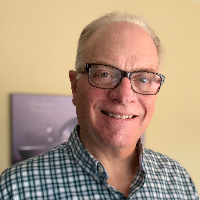
New Jersey · 10 yrs exp
Licensed counselor - Young adult issues
Stress, Anxiety · Relationship · Family · Parenting · +4 more
Read profile
Colorado · 13 yrs exp
LMFT - Young adult issues and relationships
Stress, Anxiety · LGBT · Relationship · Trauma and abuse · +10 more
Read profile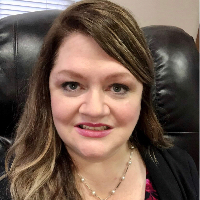
Georgia · 27 yrs exp
LPC counselor - Young adult issues and mood concerns
Stress, Anxiety · Trauma and abuse · Bipolar · Depression · +16 more
Read profile
Texas · 18 yrs exp
Licensed Professional Counselor - Trauma and Addiction
Stress, Anxiety · Addictions · LGBT · Relationship · +14 more
Read profile
Nevada · 25 yrs exp
Licensed Marriage and Family Therapist - Relationships and Stress
Stress, Anxiety · Relationship · Family · Trauma and abuse · +1 more
Read profile
Ohio · 13 yrs exp
Ohio LPCC - Young adult and mental health concerns
Stress, Anxiety · Addictions · Family · Self esteem · +11 more
Read profile
Montana · 23 yrs exp
LCPC - Young adult issues and family concerns
Stress, Anxiety · Family · Trauma and abuse · Parenting · +12 more
Read profile
Florida · 11 yrs exp
LMHC - Stress and Anxiety support
Stress, Anxiety · Relationship · Family · Grief · +7 more
Read profile
South Carolina · 20 yrs exp
Licensed Professional Counselor - Young adult issues and trauma
Stress, Anxiety · Relationship · Trauma and abuse · Anger · +11 more
Read profile
Texas · 19 yrs exp
Licensed Professional Counselor - Young adult concerns
Stress, Anxiety · Relationship · Family · Trauma and abuse · +12 more
Read profile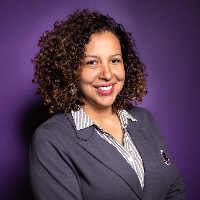
Texas · 15 yrs exp
Licensed Professional Counselor - Young adult concerns
Stress, Anxiety · Grief · Self esteem · Depression · +13 more
Read profileWhen you are in your late teens or twenties, relationships are often a central way you learn about yourself and your values. Discovering a partner has been unfaithful can intersect with other major transitions you are going through - leaving home, starting university, navigating early careers, or forming your adult identity. Those life changes make grief, anger, confusion, and questions about identity and trust feel sharper. You may find your plans and sense of security shifting, and you may be sorting through whether to reconcile, change boundaries, or end the relationship.
Therapy can offer a space to explore those reactions, to clarify what you want next, and to develop coping strategies for day-to-day emotional overload. If your mood becomes very low or you have thoughts of harming yourself, contact emergency services or a crisis line right away - if you are in immediate danger call local emergency services. When reading profiles on this page, consider whether a therapist notes experience with young adult issues alongside Infidelity as a focus. That combination can indicate clinicians who are familiar with the particular pressures people face in this life stage.
Infidelity rarely exists in isolation. You may be managing exams, first jobs, money worries, moving cities, or pressure from family while also dealing with relationship betrayal. These overlapping stressors can complicate decisions and make everyday tasks harder. For example, financial entanglement or shared housing can affect whether separation is immediately feasible. Social media can amplify the aftermath - replaying what happened online, comparing your situation to others, or navigating mutual friend groups. All of that can change how you cope and what support will be useful.
Profiles on this site indicate listed focus areas and approaches but do not establish the scope of any therapist's services. If you are looking for someone who understands how infidelity interacts with career transitions, studies, or emerging identity questions, look for profiles that explicitly mention young adult issues or relationship work. You can also look for therapists who list approaches that prioritize emotion, attachment, or communication work; if a profile mentions trauma-informed practice among approaches, that is another option to discuss, especially if the experience feels traumatic to you. These are conversation starters rather than guarantees of what any particular therapist will offer.
When you contact a therapist whose profile interests you, prepare a few concrete questions to learn how they might work with you. Ask how they typically support people coping with infidelity and whether they have experience working with young adults facing similar life transitions. If you are considering couples work, check whether the profile indicates experience with relationship counseling and whether the therapist works with individuals, couples, or both. Ask what therapeutic approaches they draw on and how those approaches tend to play out in sessions. For example, some therapists describe using cognitive-behavioral techniques to address patterns of thinking, while others note emotion-focused or systemic ideas. Phrase questions to reflect that profiles list approaches - for example, "I see you list emotion-focused work among your approaches; how do you use that with relationship trust issues?"
Be clear about practical and ethical boundaries too. In the United States, look for therapists who list a state license such as LCSW, LPC, LMFT, or similar credentials; in the UK or Australia, look for registration or professional membership with the relevant national bodies. Remember that academic degrees such as PhD, PsyD, MD, MA, or MSW indicate education but do not alone establish current permission to practice. You can ask whether a therapist holds a current license or registration appropriate to their listed location, and ask about their experience with issues that matter to you - cultural background, sexual orientation, religion, or identity factors that might shape the work.
Before beginning work, review how the therapist handles practical matters and safety. Ask what format they typically use with infidelity cases - whether they prefer individual sessions first, or whether they routinely see couples or family members. If you are considering online sessions, ask about session logistics, the technology they use, and how they address privacy and record keeping. Confirm how they respond to crises, and what steps they recommend if you feel unsafe between sessions. If you have specific needs - for example, medical or legal questions tied to the relationship - ask how the therapist coordinates with other professionals and whether they will provide referrals.
Because the legal and regulatory frameworks differ by country and state, check whether the therapist can offer care to you in your listed location. A degree holder may list experience or approaches, but current permission to practice is distinct and varies across jurisdictions. Discuss communication style and session structure too - you may prefer a therapist who offers direct skills and homework, or one who emphasizes reflective conversation. Make sure you have a clear sense of how boundary issues are handled, how information-sharing boundaries and privacy are described by the clinician, and what the therapist's scope of practice is for relationship or sexual health issues.
When you review profiles, look beyond headline terms and read the descriptions carefully. Focus areas tell you what a therapist lists as topics they work with, such as Infidelity, communication, or trauma, and you can compare how they describe those topics. Pay attention to languages offered if hearing information in your preferred language is important to you. Credentials listed on profiles - whether academic degrees like PhD, PsyD, MD, MA, MSW or professional licenses and registrations - help you distinguish education from current authorization to practice in a given place. In the United States you will commonly see state licenses identified; in the UK and Australia you will often see registration or professional membership referenced. Those distinctions matter when you need to confirm legal permission to provide care where you are located.
Also weigh therapeutic style and personal fit. Profiles sometimes describe whether a therapist is more directive, skills-focused, exploratory, or relational. If you resonate with a particular style, look for profiles that use similar language and ask examples of how sessions might progress. Consider the therapist's stated experience with young adult concerns - leaving home, first jobs, study stress, financial worries, social media-related comparison, and identity exploration - because those contexts shape recovery and decision-making after infidelity. Finally, remember that a listed focus area is a starting point for conversation. Use the profile to identify a few questions you want to ask, then follow up directly to confirm scope, approach, and how they work with issues particular to your situation.
Take your time reviewing profiles and prepare a short list of questions to guide a first conversation. If you are in immediate danger or have thoughts of harming yourself, reach out to local emergency services or a crisis line right away. Otherwise, use the profile details - listed location, described focus areas, languages, credentials, and stated approaches - to find clinicians who seem aligned with your needs and to start a conversation about the support you are seeking.
Alabama
124 therapists
Alaska
4 therapists
Arizona
69 therapists
Arkansas
45 therapists
Australia
237 therapists
California
396 therapists
Colorado
109 therapists
Connecticut
35 therapists
Delaware
6 therapists
District of Columbia
18 therapists
Florida
591 therapists
Georgia
189 therapists
Hawaii
14 therapists
Idaho
40 therapists
Illinois
131 therapists
Indiana
64 therapists
Iowa
30 therapists
Kansas
46 therapists
Kentucky
62 therapists
Louisiana
132 therapists
Maine
9 therapists
Maryland
108 therapists
Massachusetts
87 therapists
Michigan
273 therapists
Minnesota
100 therapists
Mississippi
63 therapists
Missouri
156 therapists
Montana
23 therapists
Nebraska
40 therapists
Nevada
24 therapists
New Hampshire
12 therapists
New Jersey
108 therapists
New Mexico
13 therapists
New York
200 therapists
North Carolina
209 therapists
North Dakota
3 therapists
Ohio
191 therapists
Oklahoma
115 therapists
Oregon
25 therapists
Pennsylvania
198 therapists
Rhode Island
13 therapists
South Carolina
156 therapists
South Dakota
18 therapists
Tennessee
87 therapists
Texas
728 therapists
United Kingdom
1773 therapists
Utah
30 therapists
Vermont
13 therapists
Virginia
77 therapists
Washington
77 therapists
West Virginia
29 therapists
Wisconsin
76 therapists
Wyoming
17 therapists