
Yvonne Holguin
LPCCNew Mexico · 3 yrs exp
LPCC counselor - stress and addiction support
Stress, Anxiety · Addictions · Parenting · Depression · +1 more
Read profileTherapist listings are provided by BetterHelp. We will earn a commission at no additional cost to you if you use our links to purchase.
This page groups profiles under the listed location New Mexico so visitors can compare clinicians who list young adult issues among their focus areas. Use the profiles to review approaches, languages, academic degrees and professional permissions before reaching out.
Browse individual profiles to see which therapists describe experience with the life changes common in your twenties and confirm their permission to work with you where you live before contacting them.
New Mexico · 3 yrs exp
LPCC counselor - stress and addiction support
Stress, Anxiety · Addictions · Parenting · Depression · +1 more
Read profile
New Mexico · 11 yrs exp
LPCC counselor - Stress and anxiety focus
Stress, Anxiety · Addictions · Trauma and abuse · Grief · +1 more
Read profile
New Mexico · 10 yrs exp
LMFT - Relationships and Life Transitions
Stress, Anxiety · Family · Grief · Depression · +12 more
Read profile
New Mexico · 35 yrs exp
Dr. Donna Daniel - LPCC, Young adult issues
Grief · Intimacy-related issues · Self esteem · Coping with life changes · +16 more
Read profile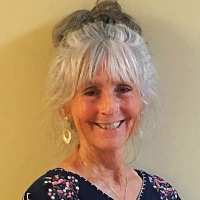
New Mexico · 20 yrs exp
LPCC - Stress and Young Adult Issues
Stress, Anxiety · Addictions · Trauma and abuse · Self esteem · +14 more
Read profile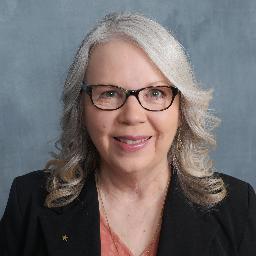
New Mexico · 12 yrs exp
Licensed counselor - trauma and young adult issues
Stress, Anxiety · Family · Trauma and abuse · Parenting · +8 more
Read profile
New Mexico · 8 yrs exp
Dr. Sibella Salazar - Psychologist, Young adult issues
Trauma and abuse · Grief · Self esteem · Stress, Anxiety · +10 more
Read profile
New Mexico · 7 yrs exp
Licensed counselor - young adult and life changes
Stress, Anxiety · Trauma and abuse · Career · Depression · +11 more
Read profile
New Mexico · 6 yrs exp
Dr. Stephanie Ferguson - LPCC, young adult concerns
Relationship · Self esteem · Career · Coping with life changes · +14 more
Read profile
New Mexico · 20 yrs exp
Licensed counselor - Young adult issues
Stress, Anxiety · Family · Trauma and abuse · Depression · +1 more
Read profile
New Mexico · 9 yrs exp
LPCC focused on young adult issues and relationships
Stress, Anxiety · Relationship · Trauma and abuse · Self esteem · +1 more
Read profile
New Mexico · 3 yrs exp
LPCC in New Mexico - Young adult issues and anxiety
Stress, Anxiety · Addictions · Self esteem · Depression · +1 more
Read profile
New Mexico · 15 yrs exp
LPCC counselor - Stress and trauma support
Stress, Anxiety · Trauma and abuse · Grief · Self esteem · +1 more
Read profileIn your twenties you are likely juggling a mix of transitions that affect mood, motivation and relationships. You may be leaving home for the first time, managing college or exams, starting a first full-time job or trying to build a new social life. Money and debt, questions about identity and sexuality, navigating romantic relationships, and the sense of falling behind when comparing yourself to peers on social media are all common stressors. When you read profiles on this page, look for language that aligns with the challenges you are facing - whether that is adjusting to a new city, handling burnout at work, processing family expectations, or coping with loneliness.
If you notice low mood that includes thoughts of harming yourself, contact emergency services or a local crisis line immediately. In the United States you can call or text 988 for immediate help; if you are elsewhere, reach out to your local emergency number or a regional crisis service. Profiles on this site are a starting point for learning about practitioners who list young adult issues as a focus area, but they are not an assessment of clinical fit or of any specific outcome. Use the profile information to prepare questions and to choose whom to speak with first.
When a profile is grouped under the listed location New Mexico it indicates that the clinician has associated themselves with that place in their profile. That does not guarantee an in-person office in New Mexico, nor does it guarantee that they have current permission to work with residents of every jurisdiction. You should check the individual profile and confirm the clinician's permission to work with you where you live before beginning any sessions. Regulatory frameworks differ by country. In the United States, practicing independently generally requires a state license; in the United Kingdom and Australia clinicians often describe registration, membership or accreditation with national bodies. Degrees such as PhD, PsyD, MD, MA or MSW describe academic qualifications but do not by themselves confirm legal permission to practice.
When you read profiles, note whether a clinician distinguishes their academic degree from their professional registration or licensure. Look for explicit statements about geographic authorization if you plan to work with someone from another state or country. If a profile mentions approaches you recognize, remember that profiles record what a clinician lists and are not proof of a particular certification. Use profile details to guide a conversation in which you verify credentials, ask about the clinician's experience with your concerns, and discuss the practicalities of working together across locations when applicable.
Before you decide to reach out, prepare concrete questions that will help you compare how different clinicians might work with you. Ask how they describe their therapeutic style in everyday terms and what a typical session looks like for someone with your concerns. If certain methods are important to you, you can ask whether the clinician lists those approaches among their tools and how they adapt them for people in their twenties. For example, you might ask how clinicians who list EMDR among their approaches integrate it into care, or how those who list cognitive-behavioral approaches handle stress related to exams and early career pressures. Ask how they have worked with clients who are navigating identity exploration, relationship changes, or financial stress, and request examples of what early sessions might prioritize.
Other useful questions include how the clinician measures progress and what kinds of goals they commonly set with young adults. If cultural background, gender identity or language are important to you, ask about experience working with similar identities and whether sessions can be offered in a preferred language. These conversations will help you gauge how a clinician frames the work and whether their focus areas and experience align with your needs.
If you are considering remote care, clarify practical details early. Ask whether the clinician has permission to work with residents of New Mexico or of your current jurisdiction and how they handle situations when legal permission limits the service. Discuss how emergencies are managed - who to contact locally and what steps the clinician will take if you report being at imminent risk. Talk about the technologies used and what protections are in place for your communications and stored information, and ask who has access to any records. If recordings are part of the work for supervision or training, ask whether recordings are made and how they are stored and deleted.
It is also reasonable to ask about scheduling rhythms, how cancellations are handled, and what to expect in the first few sessions so you have a clear sense of structure. If you are moving between locations, ask how transitions are managed and whether the clinician can continue work if your residence changes. Confirming these practicalities helps you focus on the clinical fit when you compare profiles and talk with clinicians.
When you compare profiles, pay attention to four interlocking aspects: the focus areas that match your current life stage, the languages in which sessions are offered, the mix of academic degrees and professional permissions, and the clinician's stated style or approach. Focus areas tell you what issues a clinician lists, such as studying for exams, workplace stress, moving out, or identity exploration. If a profile names topics that resonate with your situation, highlight those as priorities when you contact the clinician. Language access matters if you prefer to speak in a language other than English - look for profiles that explicitly list that language and ask for examples of work in that language when you reach out.
Credentials should be understood in two parts: academic qualification and permission to practice. A PhD, PsyD or MSW describes education. Licenses, registration or membership with regulatory bodies describe legal standing and professional oversight. If a profile lists both, ask for clarification about the current status and the jurisdictions in which the clinician is authorized to provide care. Finally, style matters. Some clinicians describe a more directive, skills-based approach while others emphasize reflective, relational work. Read profile descriptions closely for language about goal-setting, homework, or exploratory conversation and use that to form questions that reveal how the clinician would tailor sessions to your priorities. After comparing profiles, contact clinicians to confirm practical permissions and to ask the specific questions that matter to you. That conversation will be the clearest indicator of whether a clinician may be a good match for your next step in young adulthood.
Addictions
3562 therapists
ADHD
3653 therapists
Anger
4592 therapists
Control Issues
4299 therapists
Depression
6422 therapists
Grief
5112 therapists
Guilt and Shame
5731 therapists
Impulsivity
3664 therapists
Intimacy Issues
3586 therapists
Isolation / Loneliness
5502 therapists
Mood Disorders
4358 therapists
OCD
2746 therapists
Panic Disorder and Panic Attacks
4249 therapists
Phobias
2072 therapists
Post-Traumatic Stress
4782 therapists
Seasonal Affective Disorder (SAD)
3284 therapists
Self Esteem
6381 therapists
Sleeping Disorders
2085 therapists
Social Anxiety and Phobia
5238 therapists
Stress & Anxiety
7062 therapists
Trauma and Abuse
5667 therapists
Abandonment
4241 therapists
Attachment Issues
4629 therapists
Body Image
3427 therapists
Career
4086 therapists
Commitment Issues
3663 therapists
Communication Problems
6056 therapists
Coping with Life Changes
5929 therapists
Family
5310 therapists
Family of Origin Issues
3317 therapists
Forgiveness
5251 therapists
Infidelity
3363 therapists
Jealousy
3459 therapists
Life Purpose
5812 therapists
Money and Financial Issues
2722 therapists
Relationship
6020 therapists
Self-Love
5947 therapists
Sexuality
2720 therapists
Workplace Issues
4892 therapists