
Ruth Vanden Bosch
LPCMichigan · 25 yrs exp
Licensed Professional Counselor - Young adult concerns
Stress, Anxiety · LGBT · Relationship · Grief · +10 more
Read profileTherapist listings are provided by BetterHelp. We will earn a commission at no additional cost to you if you use our links to purchase.
Compare therapists who list Women's Issues alongside other young adult concerns by reviewing each profile's focus areas, approaches, languages and credentials. Browse listed profiles to find professionals with a listed location and experience that match what you want to discuss.
Michigan · 25 yrs exp
Licensed Professional Counselor - Young adult concerns
Stress, Anxiety · LGBT · Relationship · Grief · +10 more
Read profile
Alabama · 22 yrs exp
LPC in Alabama - Young adult and life transitions
Stress, Anxiety · Trauma and abuse · Anger · Self esteem · +16 more
Read profile
South Carolina · 16 yrs exp
LMFT - Young adult issues and relationships
Stress, Anxiety · Relationship · Family · Parenting · +14 more
Read profile
Florida · 20 yrs exp
Dr. Daniella Jackson - LMHC, Addiction and Life Transitions
Stress, Anxiety · Addictions · Relationship · Self esteem · +16 more
Read profile
North Carolina · 16 yrs exp
Dr. Christina Collins, LCMHC - Stress and Relationship concerns
Stress, Anxiety · Relationship · Trauma and abuse · Grief · +7 more
Read profile
Kansas · 12 yrs exp
Licensed Clinical Marriage and Family Therapist - Young adult issues
Stress, Anxiety · Relationship · Intimacy-related issues · Depression · +13 more
Read profile
Kentucky · 18 yrs exp
Licensed marriage and family therapist - relationships and identity
LGBT · Relationship · Family · Self esteem · +14 more
Read profile
Louisiana · 7 yrs exp
Dr. Tanya Harrell - LPC, young adult issues and anxiety
Stress, Anxiety · Family · Trauma and abuse · Parenting · +15 more
Read profile
Texas · 15 yrs exp
Licensed counselor - Young adult concerns
Addictions · Relationship · Trauma and abuse · Grief · +13 more
Read profile
Florida · 7 yrs exp
LMHC - Young adult issues and addictions
Addictions · Relationship · Family · Trauma and abuse · +13 more
Read profile
Michigan · 5 yrs exp
Licensed Professional Counselor - Young adult issues
Stress, Anxiety · Relationship · Family · Self esteem · +12 more
Read profile
Pennsylvania · 12 yrs exp
Licensed counselor - Young adult concerns
Stress, Anxiety · Relationship · Self esteem · Depression · +11 more
Read profile
Arizona · 6 yrs exp
Licensed Professional Counselor - Young adult issues
Stress, Anxiety · Relationship · Family · Self esteem · +11 more
Read profile
Florida · 26 yrs exp
LMHC in Florida - Young adult and relationship issues
Relationship · Grief · Self esteem · Depression · +13 more
Read profile
Florida · 12 yrs exp
LMHC - Young adult issues and relationships
Stress, Anxiety · Relationship · Intimacy-related issues · Depression · +8 more
Read profile
Florida · 17 yrs exp
Florida LMHC - Young adult issues and relationships
Stress, Anxiety · Addictions · Relationship · Family · +14 more
Read profile
Louisiana · 10 yrs exp
Licensed counselor - Young adult issues
Stress, Anxiety · Relationship · Family · Depression · +12 more
Read profile
Texas · 10 yrs exp
LPC in Texas - Young adult stress and relationships
Stress, Anxiety · Relationship · Family · Depression · +14 more
Read profile
Texas · 11 yrs exp
LPC in Texas - relationships and anxiety
Stress, Anxiety · Relationship · Family · Parenting · +9 more
Read profile
Illinois · 10 yrs exp
Illinois LCPC - Young adult issues and relationships
Stress, Anxiety · LGBT · Relationship · Trauma and abuse · +10 more
Read profile
Florida · 14 yrs exp
Licensed Mental Health Counselor - Relationships and Mood
Stress, Anxiety · Trauma and abuse · Bipolar · Depression · +16 more
Read profile
Minnesota · 23 yrs exp
LMFT - Young adult issues and relationships
Stress, Anxiety · Relationship · Trauma and abuse · Self esteem · +13 more
Read profile
South Carolina · 36 yrs exp
LISW-CP - Anxiety and Addictions
Stress, Anxiety · Addictions · Family · Trauma and abuse · +3 more
Read profile
Texas · 20 yrs exp
Licensed Professional Counselor - Young adult issues
Family · Grief · Parenting · Self esteem · +7 more
Read profile
Michigan · 35 yrs exp
LMSW - Stress and relationship issues
Stress, Anxiety · Addictions · Trauma and abuse · Self esteem · +3 more
Read profile
Colorado · 11 yrs exp
LPC counselor - Young adult issues, life transitions
Stress, Anxiety · LGBT · Trauma and abuse · Anger · +15 more
Read profile
Michigan · 15 yrs exp
Licensed counselor - young adult issues
Stress, Anxiety · Anger · Self esteem · Depression · +10 more
Read profile
Florida · 13 yrs exp
LMHC - Young adult issues and workplace stress
Stress, Anxiety · Self esteem · Career · Depression · +3 more
Read profile
Texas · 22 yrs exp
Licensed Professional Counselor - Young adult issues and relationships
Stress, Anxiety · Relationship · Trauma and abuse · Depression · +16 more
Read profile
South Dakota · 12 yrs exp
Licensed counselor - young adult concerns
Stress, Anxiety · Relationship · Family · Trauma and abuse · +13 more
Read profile
Wisconsin · 11 yrs exp
LPC in Wisconsin - young adult issues and life transitions
Stress, Anxiety · Family · Trauma and abuse · Depression · +12 more
Read profile
Florida · 10 yrs exp
LMHC - Stress and Young Adult Issues
Stress, Anxiety · Family · Parenting · Self esteem · +10 more
Read profile
Florida · 20 yrs exp
LMHC - Stress and Relationship Concerns
Stress, Anxiety · Relationship · Family · Self esteem · +9 more
Read profile
Texas · 23 yrs exp
Licensed Professional Counselor - Relationships and Young adult issues
Stress, Anxiety · Relationship · Self esteem · Career · +11 more
Read profile
Texas · 10 yrs exp
Licensed Marriage and Family Therapist - Young adult issues
Stress, Anxiety · Relationship · Family · Parenting · +5 more
Read profile
Pennsylvania · 6 yrs exp
Licensed Professional Counselor - Young adult issues
Stress, Anxiety · LGBT · Relationship · Self esteem · +15 more
Read profile
Arizona · 22 yrs exp
Licensed Professional Counselor - Young adult issues and life changes
Stress, Anxiety · Relationship · Family · Grief · +16 more
Read profile
Utah · 6 yrs exp
LCMHC - Anxiety and Trauma
Stress, Anxiety · Trauma and abuse · Self esteem · Depression · +8 more
Read profile
Virginia · 14 yrs exp
Licensed Professional Counselor - Trauma and Young Adult Concerns
Trauma and abuse · Grief · Coping with life changes · Compassion fatigue · +12 more
Read profile
Florida · 20 yrs exp
Licensed Mental Health Counselor - Young adult concerns
Stress, Anxiety · Grief · Self esteem · Depression · +9 more
Read profile
Ohio · 20 yrs exp
LISW - Young adult stress and relationships
Stress, Anxiety · LGBT · Family · Grief · +16 more
Read profile
Wisconsin · 11 yrs exp
Licensed Professional Counselor - Young adult issues
Stress, Anxiety · Relationship · Family · Self esteem · +6 more
Read profile
Alabama · 20 yrs exp
Licensed Professional Counselor - Young adult issues
Stress, Anxiety · Relationship · Grief · Depression · +9 more
Read profile
Wisconsin · 17 yrs exp
Licensed Professional Counselor - Young adult concerns
Stress, Anxiety · Relationship · Trauma and abuse · Self esteem · +11 more
Read profile
South Carolina · 20 yrs exp
LISW - Stress and relationship concerns
Stress, Anxiety · Relationship · Eating · Self esteem · +10 more
Read profile
Florida · 13 yrs exp
LMHC - Young adult life and relationships
Stress, Anxiety · Relationship · Intimacy-related issues · Depression · +15 more
Read profile
Colorado · 19 yrs exp
LPC - Young adult stress and relationships
Stress, Anxiety · Addictions · Self esteem · Depression · +14 more
Read profile
Louisiana · 14 yrs exp
LPC in Louisiana - Young adult issues and relationships
Stress, Anxiety · Parenting · Anger · Self esteem · +1 more
Read profile
Michigan · 16 yrs exp
Licensed Counselor - Young adult issues and addictions
Stress, Anxiety · Addictions · Relationship · Parenting · +8 more
Read profile
Ohio · 17 yrs exp
LISW - Young adult concerns and life change
Stress, Anxiety · Family · Parenting · Depression · +12 more
Read profile
Illinois · 38 yrs exp
LCPC - Young adult issues and life changes
Stress, Anxiety · Self esteem · Depression · Coping with life changes · +9 more
Read profile
Michigan · 31 yrs exp
LMSW - Young adult issues and relationships
Stress, Anxiety · Family · Trauma and abuse · Self esteem · +16 more
Read profile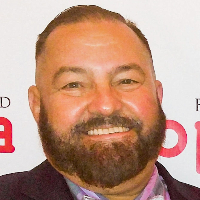
Florida · 32 yrs exp
LMHC - Stress and Relationship concerns
Stress, Anxiety · Relationship · Trauma and abuse · Bipolar · +8 more
Read profile
New York · 13 yrs exp
LMHC - Young adult issues and mood concerns
Stress, Anxiety · Self esteem · Depression · Coping with life changes · +8 more
Read profile
Georgia · 7 yrs exp
Licensed Marriage and Family Therapist - Young adult issues
Stress, Anxiety · Relationship · Intimacy-related issues · Anger · +11 more
Read profile
Oregon · 17 yrs exp
LMFT - Stress and Relationship Concerns
Stress, Anxiety · Trauma and abuse · Grief · Intimacy-related issues · +1 more
Read profile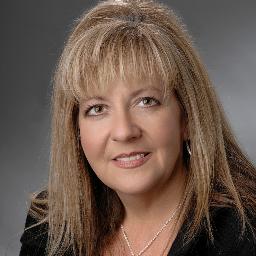
Kansas · 17 yrs exp
Licensed Clinical Professional Counselor - Young adult issues
Stress, Anxiety · Relationship · Family · Anger · +10 more
Read profile
Louisiana · 15 yrs exp
Licensed counselor - Young adult issues
Stress, Anxiety · Trauma and abuse · Grief · Self esteem · +1 more
Read profile
California · 5 yrs exp
Licensed MFT - Relationships and Young Adult Concerns
Relationship · Grief · Parenting · Self esteem · +11 more
Read profile
Florida · 11 yrs exp
LMHC - Stress and Relationship support
Stress, Anxiety · Relationship · Parenting · Self esteem · +11 more
Read profileIn your twenties, many changes come together - leaving home, moving between studies and early careers, forming new relationships, and figuring out identity in a culture shaped by social media and comparison. Women's Issues can include a wide range of topics that intersect with those life-stage transitions, including body image and eating concerns, sexual and reproductive health questions, pregnancy and postpartum transitions, the emotional impact of gendered expectations, workplace dynamics, experiences of discrimination or harassment, and recovery from sexual trauma. You may also encounter stress from family expectations or pressure to meet milestones on a timeline that feels arbitrary. All of these concerns can affect mood, relationships and how you plan for the future.
When you search profiles on this page, you are looking at therapists who list Women's Issues as one area of focus or additional emphasis. That listing signals that the professional has chosen to highlight these concerns in their practice profile, but it does not imply a particular certification, outcome, or exclusive scope. Use the profiles as a starting point to identify clinicians whose language, stated focus areas and professional background resonate with what you want to work on.
Young adulthood is a distinct life stage with its own pressures and transitions, and the themes that appear under Women's Issues often overlap with the broader challenges that people in their twenties face. You might be navigating fertility questions while juggling study deadlines, or coping with body-image distress during your first job where office culture feels unfamiliar. These are not automatically causes of each other, but they frequently occur together. Therapists who list both young adult concerns and Women's Issues may name specific areas such as perinatal adjustment, sexual health, disordered eating, or relationship patterns. Reading profiles can help you see how a clinician frames those intersections - whether they emphasize practical coping strategies, longer-term exploration of identity, or trauma-informed care for survivors of assault.
It is reasonable to expect variation in what therapists highlight. Some profiles may emphasize clinical approaches and populations served, others the life experience they bring or the languages they work in. As you read, keep in mind that a listed topic does not guarantee treatment of co-occurring issues like relationship or family therapy. If you need help with a particular combination of concerns, note that on a profile and ask about scope directly in conversation with the clinician.
When you contact someone whose profile feels like a match, prepare concrete questions so you can compare clinicians on the points that matter to you. Ask how much of their work involves women in their 20s and what kinds of Women's Issues they most often address. Ask whether they have experience supporting people with reproductive transitions, body-image concerns, trauma related to sexual violence, or workplace stress tied to gender. Phrase questions to avoid assumptions about credentials - for example, ask what kinds of students or early-career clients they have worked with and whether they have experience with issues similar to yours.
Also ask about the approaches they use, keeping in mind that a profile may list several. You might say, do you use cognitive behavioral techniques, psychodynamic exploration, acceptance and commitment strategies, trauma-informed practices, or other approaches? For each name you see on a profile, request clarification in your own words - for example, ask how they would work with someone experiencing intrusive memories or someone struggling with self-criticism related to body image. When profiles list modalities such as EMDR, DBT or CBT, use language like therapists who list EMDR among their approaches to remind yourself that the profile records an approach rather than a formal endorsement of training levels.
If you are considering remote sessions, there are practical topics worth addressing before you begin. Confirm where you will be located physically during sessions and whether the clinician is permitted to provide care to someone in your listed location, since rules differ by region. In the United States ask about state licensing; in the United Kingdom ask about registration with a professional regulator or membership of a recognized professional body; in Australia ask about registration or membership with the relevant board. These distinctions help you understand how the clinician is qualified to practice where you are.
Talk through emergency planning and local resources as well. Make a plan for what you will do if you are feeling at immediate risk of harming yourself, including the local emergency number you would call and any crisis lines in your area. If you are in immediate danger, contact emergency services - for example 911 in the United States, 999 in the United Kingdom, or 000 in Australia - or reach a crisis line such as the US 988 Lifeline, the UK Samaritans at 116 123, or Lifeline Australia at 13 11 14. Ask the clinician how they handle urgent concerns that arise between sessions and whether they can support you in identifying local emergency resources.
Other practical topics to cover include how you will manage technology and time zones, expectations for communication between sessions, record keeping and consent procedures, and how they typically frame goals in early sessions. These conversations help set shared expectations and let you judge whether the clinician's working style fits how you like to engage.
Profiles vary in depth and tone, so compare them on specific dimensions to find a closer fit. Start with focus areas - note whether Women's Issues is listed alone or alongside related concerns such as trauma, mood disorders, eating difficulties, or sexual health. Consider whether the clinician lists experience with particular life events that matter to you, such as pregnancy loss, postpartum adjustment, or managing chronic reproductive conditions. Look for details about populations served, for example women in their twenties, people from particular cultural backgrounds, or those navigating LGBTQ+ identity.
Language matters when you want to discuss nuanced topics. Check profiles for languages spoken and consider whether talking in your preferred language would make it easier to explore material such as body image or cultural expectations. Compare credentials as recorded on profiles, keeping degrees and permissions separate in your mind. A profile may list a PhD, PsyD, MD, MA or MSW as an academic qualification. That indicates education but not whether the person currently holds a license, registration or membership that permits practice in your jurisdiction. If that matters to you, ask directly whether they hold an active state license, a professional registration, or membership in a regulatory body where you are located.
Finally, notice the style and wording used in biographies. Some clinicians describe themselves in direct, action-oriented terms and may frame work around problem-solving and skill-building. Others write in a reflective, exploratory voice and focus on long-term identity and meaning. Neither style is inherently better. Think about how you like to be spoken to and look for language that feels respectful of your experience without being patronizing. When you have two or three profiles that feel close, use brief introductory conversations to ask the concrete questions suggested earlier. Those talks will give you a clearer sense of the clinician's approach and whether it aligns with what you want from support.
Reading profiles thoroughly and preparing targeted questions helps you make an informed choice about whom to contact. Use the tools on this page to compare focus areas, approaches that are listed, languages and credentials, and the tone of each biography. If you are struggling with thoughts of harming yourself, contact emergency services or a crisis line right away. Otherwise, take your time browsing profiles, note the listed location and experience that matter to you, and reach out to start a conversation about whether a clinician's approach fits your needs.
Alabama
124 therapists
Alaska
4 therapists
Arizona
69 therapists
Arkansas
45 therapists
Australia
237 therapists
California
396 therapists
Colorado
109 therapists
Connecticut
35 therapists
Delaware
6 therapists
District of Columbia
18 therapists
Florida
591 therapists
Georgia
189 therapists
Hawaii
14 therapists
Idaho
40 therapists
Illinois
131 therapists
Indiana
64 therapists
Iowa
30 therapists
Kansas
46 therapists
Kentucky
62 therapists
Louisiana
132 therapists
Maine
9 therapists
Maryland
108 therapists
Massachusetts
87 therapists
Michigan
273 therapists
Minnesota
100 therapists
Mississippi
63 therapists
Missouri
156 therapists
Montana
23 therapists
Nebraska
40 therapists
Nevada
24 therapists
New Hampshire
12 therapists
New Jersey
108 therapists
New Mexico
13 therapists
New York
200 therapists
North Carolina
209 therapists
North Dakota
3 therapists
Ohio
191 therapists
Oklahoma
115 therapists
Oregon
25 therapists
Pennsylvania
198 therapists
Rhode Island
13 therapists
South Carolina
156 therapists
South Dakota
18 therapists
Tennessee
87 therapists
Texas
728 therapists
United Kingdom
1773 therapists
Utah
30 therapists
Vermont
13 therapists
Virginia
77 therapists
Washington
77 therapists
West Virginia
29 therapists
Wisconsin
76 therapists
Wyoming
17 therapists