
Alissa Bohmann
LPCWisconsin · 11 yrs exp
LPC in Wisconsin - young adult issues and life transitions
Stress, Anxiety · Family · Trauma and abuse · Depression · +12 more
Read profileTherapist listings are provided by BetterHelp. We will earn a commission at no additional cost to you if you use our links to purchase.
Compare focus areas, therapeutic approaches, languages and professional credentials for professionals who list Wisconsin as a listed location. Browse the profiles below to learn more and remember to confirm on each profile that the clinician has permission to work with you where you live.
Wisconsin · 11 yrs exp
LPC in Wisconsin - young adult issues and life transitions
Stress, Anxiety · Family · Trauma and abuse · Depression · +12 more
Read profile
Wisconsin · 11 yrs exp
Licensed Professional Counselor - Young adult issues
Stress, Anxiety · Relationship · Family · Self esteem · +6 more
Read profile
Wisconsin · 17 yrs exp
Licensed Professional Counselor - Young adult concerns
Stress, Anxiety · Relationship · Trauma and abuse · Self esteem · +11 more
Read profile
Wisconsin · 20 yrs exp
Licensed Professional Counselor - Young adult issues and mood concerns
Stress, Anxiety · Self esteem · Career · Depression · +2 more
Read profile
Wisconsin · 8 yrs exp
LPC in Wisconsin - Young adult and relationship concerns
Stress, Anxiety · Relationship · Self esteem · Career · +10 more
Read profile
Wisconsin · 15 yrs exp
LPC - Stress and Relationship Concerns
Stress, Anxiety · Addictions · Relationship · Depression · +15 more
Read profile
Wisconsin · 18 yrs exp
Licensed counselor - Young adult issues and relationships
Stress, Anxiety · Family · Grief · Parenting · +9 more
Read profile
Wisconsin · 40 yrs exp
LPC counselor - relationships and life changes
Stress, Anxiety · Relationship · Parenting · Depression · +2 more
Read profile
Wisconsin · 12 yrs exp
Wisconsin psychologist - young adult concerns
Stress, Anxiety · Relationship · Self esteem · Depression · +7 more
Read profile
Wisconsin · 13 yrs exp
Licensed counselor - Young adult issues
Stress, Anxiety · Relationship · Trauma and abuse · Intimacy-related issues · +12 more
Read profile
Wisconsin · 35 yrs exp
LPC in Wisconsin - young adult and life transitions focus
Addictions · LGBT · Trauma and abuse · Grief · +7 more
Read profile
Wisconsin · 11 yrs exp
LPC - trauma and relationship concerns
Relationship · Trauma and abuse · Intimacy-related issues · Self esteem · +14 more
Read profile
Wisconsin · 5 yrs exp
Licensed Professional Counselor - Stress and Anxiety
Stress, Anxiety · Family · Trauma and abuse · Self esteem · +1 more
Read profile
Wisconsin · 20 yrs exp
Licensed Professional Counselor - Young adult concerns
Stress, Anxiety · Addictions · Trauma and abuse · Grief · +1 more
Read profile
Wisconsin · 22 yrs exp
LPC in Wisconsin - Stress and career support
Stress, Anxiety · Addictions · Self esteem · Career · +6 more
Read profile
Wisconsin · 10 yrs exp
Licensed Professional Counselor - Anxiety and Life Changes
Stress, Anxiety · Trauma and abuse · Depression · Coping with life changes
Read profile
Wisconsin · 15 yrs exp
Licensed Professional Counselor - Young adult issues and life transitions
Stress, Anxiety · Grief · Self esteem · Depression · +11 more
Read profile
Wisconsin · 7 yrs exp
Licensed Professional Counselor - Young adult concerns
Stress, Anxiety · Family · Trauma and abuse · Anger · +13 more
Read profile
Wisconsin · 10 yrs exp
Licensed Professional Counselor - Anxiety and Young Adult Issues
Stress, Anxiety · Family · Trauma and abuse · Self esteem · +13 more
Read profile
Wisconsin · 26 yrs exp
Licensed Professional Counselor - Young adult issues
Stress, Anxiety · Family · Trauma and abuse · Parenting · +10 more
Read profile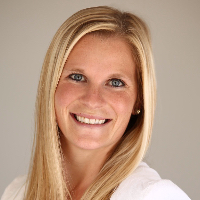
Wisconsin · 10 yrs exp
LMFT - Relationships and Life Transitions
Stress, Anxiety · Relationship · Family · Intimacy-related issues · +5 more
Read profile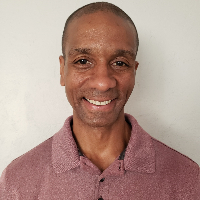
Wisconsin · 6 yrs exp
Licensed Professional Counselor - Young adult concerns
Stress, Anxiety · LGBT · Family · Trauma and abuse · +13 more
Read profile
Wisconsin · 14 yrs exp
Licensed Professional Counselor - Young adult issues
Stress, Anxiety · Relationship · Family · Trauma and abuse · +9 more
Read profile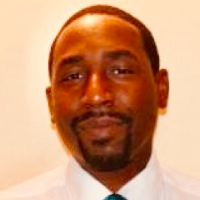
Wisconsin · 3 yrs exp
LPC counselor - Young adult issues and relationships
Career · Stress, Anxiety · Relationship · Trauma and abuse · +6 more
Read profile
Wisconsin · 30 yrs exp
Licensed Professional Counselor - Young adult issues focus
Stress, Anxiety · Relationship · Family · Trauma and abuse · +9 more
Read profile
Wisconsin · 5 yrs exp
Licensed Professional Counselor - Young adult issues, anxiety
Stress, Anxiety · Trauma and abuse · Anger · Self esteem · +5 more
Read profile
Wisconsin · 6 yrs exp
LPC - Young adult issues and anxiety
Stress, Anxiety · Trauma and abuse · Self esteem · Depression · +9 more
Read profile
Wisconsin · 6 yrs exp
Licensed Professional Counselor - Young adult issues and anxiety
Stress, Anxiety · Family · Trauma and abuse · Self esteem · +8 more
Read profile
Wisconsin · 20 yrs exp
Licensed Professional Counselor - Relationships and Young Adult Issues
Stress, Anxiety · Relationship · Family · Intimacy-related issues · +11 more
Read profile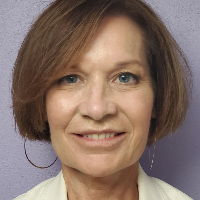
Wisconsin · 23 yrs exp
Dr. Toni Morgan-Jones - Psychologist focused on young adult issues and mood
Stress, Anxiety · Family · Trauma and abuse · Grief · +9 more
Read profile
Wisconsin · 5 yrs exp
LPC in Wisconsin - Young adult issues, relationships
Stress, Anxiety · Relationship · Family · Trauma and abuse · +11 more
Read profile
Wisconsin · 29 yrs exp
Wisconsin psychologist - Young adult concerns
Stress, Anxiety · Parenting · Anger · Bipolar · +11 more
Read profile
Wisconsin · 9 yrs exp
LMHC LPC - Stress and Young Adult issues
Stress, Anxiety · Trauma and abuse · Depression · Coping with life changes · +11 more
Read profile
Wisconsin · 28 yrs exp
LPC in Wisconsin - stress and relationships
Stress, Anxiety · Relationship · Self esteem · Depression · +15 more
Read profile
Wisconsin · 17 yrs exp
Licensed Professional Counselor - Relationships and Life Changes
Stress, Anxiety · LGBT · Relationship · Trauma and abuse · +16 more
Read profile
Wisconsin · 5 yrs exp
LPC - Young adult issues and relationships
LGBT · Relationship · Intimacy-related issues · Parenting · +9 more
Read profile
Wisconsin · 5 yrs exp
LPC - young adult stress and relationships
Stress, Anxiety · Relationship · Trauma and abuse · Eating · +6 more
Read profile
Wisconsin · 24 yrs exp
LPC in Wisconsin - Young adult issues and trauma
Stress, Anxiety · Trauma and abuse · Intimacy-related issues · Self esteem · +7 more
Read profile
Wisconsin · 10 yrs exp
LMFT - Young adult issues and relationships
Stress, Anxiety · LGBT · Relationship · Depression · +6 more
Read profile
Wisconsin · 16 yrs exp
Licensed Professional Counselor - Relationships and Life Changes
Relationship · Family · Grief · Parenting · +7 more
Read profile
Wisconsin · 4 yrs exp
Licensed Professional Counselor - Young adult issues
Stress, Anxiety · Self esteem · Depression · Coping with life changes · +9 more
Read profile
Wisconsin · 19 yrs exp
Licensed Professional Counselor - Young adult concerns
Stress, Anxiety · Family · Trauma and abuse · Parenting · +11 more
Read profile
Wisconsin · 4 yrs exp
Licensed Professional Counselor - young adult issues
Stress, Anxiety · Relationship · Intimacy-related issues · Coping with life changes · +8 more
Read profile
Wisconsin · 30 yrs exp
Licensed Professional Counselor - Relationships and Life Transitions
Stress, Anxiety · Relationship · Self esteem · Depression · +10 more
Read profile
Wisconsin · 19 yrs exp
Licensed Professional Counselor - Young adult concerns
Stress, Anxiety · LGBT · Grief · Intimacy-related issues · +9 more
Read profile
Wisconsin · 14 yrs exp
LPC - Stress and Relationships
Stress, Anxiety · Relationship · Trauma and abuse · Self esteem · +1 more
Read profile
Wisconsin · 9 yrs exp
LPC - Anxiety and Relationship work
Stress, Anxiety · Relationship · Trauma and abuse · Grief · +14 more
Read profile
Wisconsin · 20 yrs exp
Licensed Professional Counselor - Young adult and addiction concerns
Stress, Anxiety · Addictions · Relationship · Depression · +13 more
Read profile
Wisconsin · 4 yrs exp
LPCC counselor - Addiction and young adult issues
Stress, Anxiety · Addictions · Relationship · Family · +12 more
Read profile
Wisconsin · 24 yrs exp
Licensed Professional Counselor - Young adult issues and relationships
Stress, Anxiety · Family · Parenting · Self esteem · +14 more
Read profile
Wisconsin · 18 yrs exp
Licensed counselor - Young adult life issues
Stress, Anxiety · Anger · Depression · Coping with life changes · +16 more
Read profile
Wisconsin · 9 yrs exp
Licensed Professional Counselor - Stress and Relationships
Stress, Anxiety · Relationship · Family · Anger · +6 more
Read profile
Wisconsin · 11 yrs exp
Licensed Professional Counselor - Young adult issues and anxiety
Stress, Anxiety · Trauma and abuse · Parenting · Depression · +12 more
Read profile
Wisconsin · 5 yrs exp
Licensed Professional Counselor - Young adult concerns
Stress, Anxiety · Self esteem · Depression · Addictions · +7 more
Read profile
Wisconsin · 17 yrs exp
Licensed Professional Counselor - Young adult issues and mood concerns
Stress, Anxiety · Addictions · Bipolar · Depression · +14 more
Read profile
Wisconsin · 6 yrs exp
Dr. Alysia Smith - LPC LCPC, young adult and mood concerns
Stress, Anxiety · Addictions · Relationship · Trauma and abuse · +11 more
Read profile
Wisconsin · 18 yrs exp
LPC counselor - stress and relationships
Stress, Anxiety · Relationship · Trauma and abuse · Parenting · +13 more
Read profile
Wisconsin · 10 yrs exp
Licensed Professional Counselor - Young adult issues
Stress, Anxiety · Relationship · Family · Trauma and abuse · +3 more
Read profile
Wisconsin · 26 yrs exp
Licensed Professional Counselor - Young adult issues
Trauma and abuse · Anger · Bipolar · Depression · +16 more
Read profile
Wisconsin · 23 yrs exp
Licensed Professional Counselor - Stress and Relationships
Stress, Anxiety · Relationship · Parenting · Self esteem · +1 more
Read profileYoung adulthood is a time of big transitions - leaving home, starting or changing courses of study, entering the workforce, navigating early romantic relationships, managing money for the first time and recalibrating your identity in a social media culture that often fuels comparison. You may be dealing with stress around exams, uncertainty in a first job, questions about sexuality or gender, grief for a relationship or an old life chapter, or a sense of falling behind peers. When you read profiles, note the specific challenges a clinician lists under focus areas. Some professionals list experience with exam stress, workplace anxiety, relationship concerns, identity exploration or social anxiety. Seeing a focus area listed indicates the clinician notes that issue among their work, but it is not evidence of a specialty certificate or a guarantee of fit. Use the profile descriptions to judge whether a therapist writes about issues that match what you are living through and to decide who you want to contact to discuss your needs further.
This page groups profiles under the listed location Wisconsin. That grouping is not proof that a therapist has an office in Wisconsin, is physically close to you, is eligible to work with every resident, or holds an active credential in that state. Always open the individual profile and confirm permission to work together where you live before proceeding. Professional credentials and academic degrees are different things. A degree such as PhD, PsyD, MD, MA or MSW describes completed education. A degree alone does not establish current permission to practice. In the United States, clinicians who provide mental health care usually do so with a state license - for example a psychologist license, licensed clinical social worker, licensed professional counselor or licensed marriage and family therapist. In the United Kingdom professionals may be registered with or be members of professional bodies and registries that indicate certain standards. In Australia some clinicians are registered with national boards and others list association memberships. Look for wording on a profile that clarifies whether a clinician holds an active license, registration or membership, and check that this aligns with the state or country where you live.
When you reach out to a clinician, think about specific questions that reveal how they work and whether that style matches what you prefer. You might ask how they typically help someone who is struggling with first-job burnout or with the stress of final exams, and what kinds of goals they set collaboratively with clients. Ask whether they have experience supporting people exploring identity, negotiating relationship transitions, or managing social media comparison. If an entry on a profile lists approaches such as cognitive-behavioral strategies, psychodynamic work, trauma-informed perspectives or mindfulness-based techniques, you can ask the clinician how they integrate those approaches in session and how flexible they are when a client's needs change. Phrase questions to learn about timeframes and style rather than promises of outcomes - for example ask what a typical first three meetings might focus on and how they check progress. You can also ask about their experience working with people in your age range, what languages they use in session, and how they handle differences in background or worldview. These direct, concrete questions give you much more to compare than general claims on a profile.
If you are considering online care, clarify practical details and jurisdictional matters up front. Confirm whether the clinician has permission to provide care to people in your state or country and what that means for crisis protocols where you live. Discuss how they handle technology hiccups, what platform or contact methods they prefer, and how you will receive session notes or follow-up materials if that is part of the work. Talk about privacy and how your information is protected, and ask about what to do if you need urgent help between meetings. If you are experiencing low mood that includes thoughts of harming yourself, you should contact emergency services or a local crisis line immediately rather than waiting to connect with a clinician. You may also want to ask about scheduling norms - what days and times are typical for sessions - and whether there are any requirements tied to the clinician's jurisdiction, such as local emergency contacts or written consent forms. These are practical questions that keep the focus on safety, clarity and logistical fit rather than therapeutic promises.
Comparing profiles is more useful when you have a short list of priorities in mind. First, decide which focus areas matter most to you - for example, exam stress, transition to the workforce, relationship breakup, identity exploration or anxiety about social media. Read how a clinician describes their work with those issues and look for examples that match your situation. Second, note languages offered. If you prefer to speak in a language other than English, find clinicians who list that language and mention whether they use it in clinical work. Third, weigh credentials and registrations. Use degrees as context for training, but verify that the clinician also lists an active license, registration or membership appropriate to the place you live. If a profile lists an approach you are curious about, remember that the directory records that approach only as something the clinician lists. It is appropriate to ask them how they use it in practice and how that might fit your goals. Finally, pay attention to style cues in the profile text - some clinicians describe a direct skills-based approach, others emphasize reflective exploration or collaborative problem-solving. Those style descriptors, combined with the concrete questions suggested earlier, can help you identify which profiles to contact. Remember that no profile can guarantee a fit, so consider the profile as a starting point for a conversation where you can assess rapport, goals and practical arrangements before deciding to work together.
This page groups profiles under the listed location Wisconsin to help you explore options, but it is not evidence of an office, physical proximity, eligibility for every resident, or an active license in that location. Always check the individual profile and confirm permission to work together where you live before moving forward with care.
Addictions
3562 therapists
ADHD
3653 therapists
Anger
4592 therapists
Control Issues
4299 therapists
Depression
6422 therapists
Grief
5112 therapists
Guilt and Shame
5731 therapists
Impulsivity
3664 therapists
Intimacy Issues
3586 therapists
Isolation / Loneliness
5502 therapists
Mood Disorders
4358 therapists
OCD
2746 therapists
Panic Disorder and Panic Attacks
4249 therapists
Phobias
2072 therapists
Post-Traumatic Stress
4782 therapists
Seasonal Affective Disorder (SAD)
3284 therapists
Self Esteem
6381 therapists
Sleeping Disorders
2085 therapists
Social Anxiety and Phobia
5238 therapists
Stress & Anxiety
7062 therapists
Trauma and Abuse
5667 therapists
Abandonment
4241 therapists
Attachment Issues
4629 therapists
Body Image
3427 therapists
Career
4086 therapists
Commitment Issues
3663 therapists
Communication Problems
6056 therapists
Coping with Life Changes
5929 therapists
Family
5310 therapists
Family of Origin Issues
3317 therapists
Forgiveness
5251 therapists
Infidelity
3363 therapists
Jealousy
3459 therapists
Life Purpose
5812 therapists
Money and Financial Issues
2722 therapists
Relationship
6020 therapists
Self-Love
5947 therapists
Sexuality
2720 therapists
Workplace Issues
4892 therapists