
Ruth Vanden Bosch
LPCMichigan · 25 yrs exp
Licensed Professional Counselor - Young adult concerns
Stress, Anxiety · LGBT · Relationship · Grief · +10 more
Read profileTherapist listings are provided by BetterHelp. We will earn a commission at no additional cost to you if you use our links to purchase.
This page gathers profiles of clinicians who list LGBT among their focus areas and who also note young adult issues. You can compare listed location, therapeutic approaches, languages, credentials, and related focus areas, then browse profiles to learn more.
Use the information here to decide which profiles you want to read in full and who to contact to discuss your needs directly.
Michigan · 25 yrs exp
Licensed Professional Counselor - Young adult concerns
Stress, Anxiety · LGBT · Relationship · Grief · +10 more
Read profile
Alabama · 22 yrs exp
LPC in Alabama - Young adult and life transitions
Stress, Anxiety · Trauma and abuse · Anger · Self esteem · +16 more
Read profile
South Carolina · 16 yrs exp
LMFT - Young adult issues and relationships
Stress, Anxiety · Relationship · Family · Parenting · +14 more
Read profile
Florida · 20 yrs exp
Dr. Daniella Jackson - LMHC, Addiction and Life Transitions
Stress, Anxiety · Addictions · Relationship · Self esteem · +16 more
Read profile
North Carolina · 16 yrs exp
Dr. Christina Collins, LCMHC - Stress and Relationship concerns
Stress, Anxiety · Relationship · Trauma and abuse · Grief · +7 more
Read profile
Kansas · 12 yrs exp
Licensed Clinical Marriage and Family Therapist - Young adult issues
Stress, Anxiety · Relationship · Intimacy-related issues · Depression · +13 more
Read profile
Kentucky · 18 yrs exp
Licensed marriage and family therapist - relationships and identity
LGBT · Relationship · Family · Self esteem · +14 more
Read profile
Louisiana · 7 yrs exp
Dr. Tanya Harrell - LPC, young adult issues and anxiety
Stress, Anxiety · Family · Trauma and abuse · Parenting · +15 more
Read profile
Texas · 15 yrs exp
Licensed counselor - Young adult concerns
Addictions · Relationship · Trauma and abuse · Grief · +13 more
Read profile
Florida · 7 yrs exp
LMHC - Young adult issues and addictions
Addictions · Relationship · Family · Trauma and abuse · +13 more
Read profile
Michigan · 5 yrs exp
Licensed Professional Counselor - Young adult issues
Stress, Anxiety · Relationship · Family · Self esteem · +12 more
Read profile
Pennsylvania · 12 yrs exp
Licensed counselor - Young adult concerns
Stress, Anxiety · Relationship · Self esteem · Depression · +11 more
Read profile
Texas · 10 yrs exp
LPC in Texas - Young adult stress and relationships
Stress, Anxiety · Relationship · Family · Depression · +14 more
Read profile
Illinois · 10 yrs exp
Illinois LCPC - Young adult issues and relationships
Stress, Anxiety · LGBT · Relationship · Trauma and abuse · +10 more
Read profile
Florida · 14 yrs exp
Licensed Mental Health Counselor - Relationships and Mood
Stress, Anxiety · Trauma and abuse · Bipolar · Depression · +16 more
Read profile
Texas · 13 yrs exp
Licensed counselor and marriage therapist - young adult concerns
Stress, Anxiety · LGBT · Relationship · Trauma and abuse · +12 more
Read profile
Colorado · 11 yrs exp
LPC counselor - Young adult issues, life transitions
Stress, Anxiety · LGBT · Trauma and abuse · Anger · +15 more
Read profile
Texas · 8 yrs exp
Licensed Professional Counselor - Young adult issues, anxiety
Stress, Anxiety · Grief · Self esteem · Career · +11 more
Read profile
Texas · 22 yrs exp
Licensed Professional Counselor - Young adult issues and relationships
Stress, Anxiety · Relationship · Trauma and abuse · Depression · +16 more
Read profile
Kentucky · 11 yrs exp
Licensed Marriage and Family Therapist - Relationships and Life Change
Stress, Anxiety · Relationship · Family · Self esteem · +9 more
Read profile
South Dakota · 12 yrs exp
Licensed counselor - young adult concerns
Stress, Anxiety · Relationship · Family · Trauma and abuse · +13 more
Read profile
Florida · 10 yrs exp
LMHC - Stress and Young Adult Issues
Stress, Anxiety · Family · Parenting · Self esteem · +10 more
Read profile
Florida · 20 yrs exp
LMHC - Stress and Relationship Concerns
Stress, Anxiety · Relationship · Family · Self esteem · +9 more
Read profile
Pennsylvania · 6 yrs exp
Licensed Professional Counselor - Young adult issues
Stress, Anxiety · LGBT · Relationship · Self esteem · +15 more
Read profile
Arizona · 22 yrs exp
Licensed Professional Counselor - Young adult issues and life changes
Stress, Anxiety · Relationship · Family · Grief · +16 more
Read profile
Utah · 6 yrs exp
LCMHC - Anxiety and Trauma
Stress, Anxiety · Trauma and abuse · Self esteem · Depression · +8 more
Read profile
Virginia · 14 yrs exp
Licensed Professional Counselor - Trauma and Young Adult Concerns
Trauma and abuse · Grief · Coping with life changes · Compassion fatigue · +12 more
Read profile
Nebraska · 25 yrs exp
LMHP - Young adult issues and life transitions
Stress, Anxiety · Family · Trauma and abuse · Parenting · +12 more
Read profile
Florida · 20 yrs exp
Licensed Mental Health Counselor - Young adult concerns
Stress, Anxiety · Grief · Self esteem · Depression · +9 more
Read profile
Ohio · 20 yrs exp
LISW - Young adult stress and relationships
Stress, Anxiety · LGBT · Family · Grief · +16 more
Read profile
Georgia · 3 yrs exp
Licensed Professional Counselor - Young adult concerns
Stress, Anxiety · Relationship · Family · Intimacy-related issues · +6 more
Read profile
Oregon · 15 yrs exp
Licensed Professional Counselor - Young adult issues and addictions
Stress, Anxiety · Addictions · Relationship · Trauma and abuse · +12 more
Read profile
Florida · 13 yrs exp
LMHC - Young adult life and relationships
Stress, Anxiety · Relationship · Intimacy-related issues · Depression · +15 more
Read profile
Colorado · 19 yrs exp
LPC - Young adult stress and relationships
Stress, Anxiety · Addictions · Self esteem · Depression · +14 more
Read profile
Michigan · 31 yrs exp
LMSW - Young adult issues and relationships
Stress, Anxiety · Family · Trauma and abuse · Self esteem · +16 more
Read profile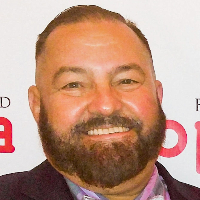
Florida · 32 yrs exp
LMHC - Stress and Relationship concerns
Stress, Anxiety · Relationship · Trauma and abuse · Bipolar · +8 more
Read profile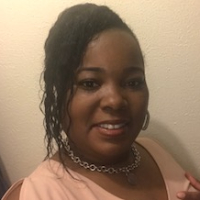
Louisiana · 10 yrs exp
Licensed Professional Counselor - Young adult issues
Stress, Anxiety · Trauma and abuse · Anger · Self esteem · +8 more
Read profile
Iowa · 9 yrs exp
Licensed Independent Social Worker - Young adult issues
Stress, Anxiety · Relationship · Family · Trauma and abuse · +8 more
Read profile
Colorado · 13 yrs exp
LMFT - Young adult issues and relationships
Stress, Anxiety · LGBT · Relationship · Trauma and abuse · +10 more
Read profile
South Carolina · 25 yrs exp
Licensed Professional Counselor - Young adult and relationship concerns
Stress, Anxiety · LGBT · Relationship · Trauma and abuse · +9 more
Read profile
Minnesota · 7 yrs exp
Licensed Professional Clinical Counselor - Stress and Trauma
Stress, Anxiety · LGBT · Trauma and abuse · Self esteem · +9 more
Read profile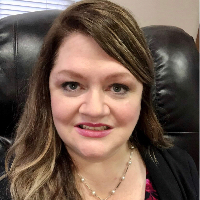
Georgia · 27 yrs exp
LPC counselor - Young adult issues and mood concerns
Stress, Anxiety · Trauma and abuse · Bipolar · Depression · +16 more
Read profile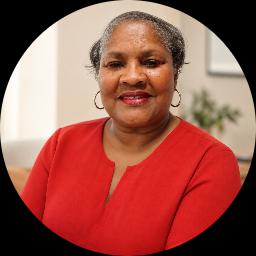
Oklahoma · 27 yrs exp
Licensed counselor - Young adult issues and mood concerns
Stress, Anxiety · Addictions · Parenting · Anger · +11 more
Read profile
Massachusetts · 20 yrs exp
LICSW - Stress and Life Transitions
Stress, Anxiety · Self esteem · Career · Depression · +11 more
Read profile
North Carolina · 20 yrs exp
LCMHC and LPC - stress and addiction
Stress, Anxiety · Addictions · LGBT · Relationship · +1 more
Read profile
Texas · 18 yrs exp
Licensed Professional Counselor - Trauma and Addiction
Stress, Anxiety · Addictions · LGBT · Relationship · +14 more
Read profile
North Carolina · 20 yrs exp
Licensed counselor - Young adult concerns
Stress, Anxiety · Parenting · Self esteem · Depression · +15 more
Read profile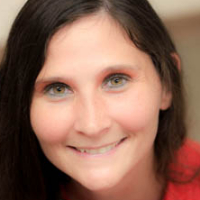
Florida · 18 yrs exp
Dr. Nicole Thweatt, LMHC - Young adult issues and relationships
Stress, Anxiety · Parenting · Anger · Self esteem · +13 more
Read profile
Illinois · 5 yrs exp
Illinois psychologist - stress and relationships
Stress, Anxiety · Relationship · Trauma and abuse · Depression · +12 more
Read profile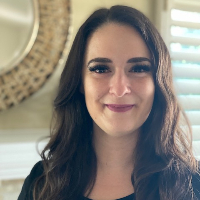
California · 6 yrs exp
LMFT - Anxiety and Young Adult Issues
Stress, Anxiety · Addictions · Relationship · Depression · +10 more
Read profile
Pennsylvania · 15 yrs exp
Licensed Professional Counselor - Young adult issues
Stress, Anxiety · Relationship · Self esteem · Depression · +14 more
Read profile
Montana · 23 yrs exp
LCPC - Young adult issues and family concerns
Stress, Anxiety · Family · Trauma and abuse · Parenting · +12 more
Read profile
South Carolina · 20 yrs exp
Licensed Professional Counselor - Young adult issues and trauma
Stress, Anxiety · Relationship · Trauma and abuse · Anger · +11 more
Read profile
Texas · 19 yrs exp
Licensed Professional Counselor - Young adult concerns
Stress, Anxiety · Relationship · Family · Trauma and abuse · +12 more
Read profile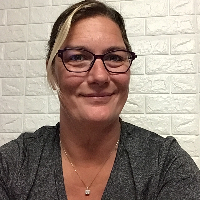
Indiana · 11 yrs exp
LMHC - Young adult issues and anxiety
Stress, Anxiety · Addictions · Trauma and abuse · Parenting · +14 more
Read profile
Michigan · 8 yrs exp
LMSW - Young adult and mood concerns
Stress, Anxiety · Self esteem · Career · Depression · +16 more
Read profile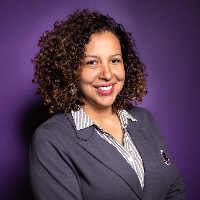
Texas · 15 yrs exp
Licensed Professional Counselor - Young adult concerns
Stress, Anxiety · Grief · Self esteem · Depression · +13 more
Read profile
Texas · 17 yrs exp
LPC in Texas - Mood and life challenges
Stress, Anxiety · Addictions · Self esteem · Bipolar · +15 more
Read profile
Texas · 13 yrs exp
Licensed Professional Counselor - Relationships and ADHD
Stress, Anxiety · Relationship · Family · Parenting · +14 more
Read profile
Texas · 16 yrs exp
Licensed Professional Counselor - Young adult issues
Stress, Anxiety · Family · Parenting · Bipolar · +11 more
Read profileIn your late teens and twenties you may be navigating major transitions - leaving home, finishing studies, starting a first job, managing money, and building adult relationships. Those changes happen while you are also exploring or affirming sexual orientation, gender identity, or relationship styles. That mix can intensify questions about belonging, safety, and self-definition. You might find yourself comparing your path to peers on social media and feeling out of step. You may be dealing with relationship breakups, family acceptance or rejection, or practical challenges such as moving or changing healthcare. All of these are common reasons people your age look for a therapist who lists LGBT among their focus areas, because such clinicians may be more familiar with the language, cultural touchpoints, and community resources that matter in coming out, transitioning, polyamory, dating, and identity exploration.
When you read profiles, pay attention to how clinicians describe their work with young adults and LGBT-related topics rather than assuming a single approach fits everyone. The goal of an initial search is not to guarantee outcomes but to identify practitioners whose language and focus feel relevant to what you are experiencing right now.
There is no single pathway between sexual or gender identity and life-stage stressors. Your identity may be one part of a larger picture that includes work stress, academic pressure, financial strain, or co-occurring mental health concerns. Therapists who list LGBT among their focus areas often highlight experience with identity questions, coming out conversations, family dynamics, and community-specific stressors such as minority stress or discrimination. That experience can inform how they frame goals and supports, for example by discussing social support networks, advocacy resources, or strategies for managing interactions with family, peers, or employers.
You should not assume that an LGBT listing means a therapist treats every related concern. Profiles do not establish the full scope of practice. If you are dealing with legal, medical, or urgent safety matters, that is something to raise directly with a clinician. Similarly, if you want a practitioner with specific experience - for example working with trans and non-binary people, people of particular cultural or religious backgrounds, or survivors of violence - look for those details in profiles and bring them up when you contact someone to discuss your needs.
When you decide to contact someone, having concrete questions helps you compare clinicians and find a fit you can trust. Ask how they describe their typical work with people in their twenties and what kinds of goals they commonly address. Inquire which therapeutic approaches they use and how those approaches might be adapted for identity exploration or minority stress. Phrase questions so they reflect the directory data - for example, you could say "I saw you list EMDR among your approaches - how might that be used in work related to trauma or identity?" rather than assuming certification. Ask about experience with specific issues that matter to you - family rejection, gender transition-related support, navigating dating apps, or dealing with workplace discrimination - and request examples of what that experience looks like in sessions.
It is also useful to ask about practical matters that influence the fit. Ask whether they work with people who identify similarly to you and how they understand intersectionality - the ways sexuality, gender, race, disability, religion, and class can shape experience. Ask which languages they speak and how language use is handled in sessions. Remember that degrees such as PhD, PsyD, MD, MA, and MSW indicate academic training, while licensing or registration differs by country and profession. In the United States you may see licenses such as LCSW, LPC, or LMFT. In the United Kingdom and Australia clinicians may be registered with national regulators for certain professions or be members of professional associations. A listed degree does not by itself indicate current permission to practice, so if credentials matter to you, ask directly for clarification on licensing or registration and what that means in the clinician's country.
If you are planning to work with someone remotely, it helps to address a few concrete topics before starting. Clarify what the listed location represents and whether the clinician works with clients in your area or jurisdiction, because licensing and registration rules differ across countries and regions. Discuss how appointments will be arranged, what platforms or communication methods they use, and how they manage privacy and record keeping in sessions. Make sure you understand who to contact in a crisis - if you are experiencing thoughts of self-harm or are at immediate risk, contact local emergency services or crisis lines right away.
Also talk about what to expect in early sessions. Some therapists focus on understanding your current stressors and goals, while others prioritize coping skills or narrative exploration of identity. If you prefer a direct, structured approach or a more exploratory and reflective style, say so. Ask how they handle collaborative planning - how you and the clinician might set goals together, revise plans, and check in on progress. Do not assume that a listed approach means it will be used in every session - inquire about how flexible the clinician is in matching their approach to your evolving needs.
Profiles give you pieces of information to compare, and thinking about a few concrete questions can make that comparison productive. Consider whether the clinician lists the specific focus areas that match your priorities, such as identity exploration, relationship issues, family dynamics, or substance use. Look at the language section to see if they offer sessions in a language you prefer, and consider how cultural competence is described. When it comes to credentials, read profiles with an eye for both degrees and professional standing - degrees tell you about training, while licensing, registration, or association memberships speak to current professional frameworks in different countries. If in doubt, ask the clinician to explain what their credentials mean for practice where they are based.
Style is often the hardest thing to infer from a short profile, but tone matters. Does the clinician’s profile language feel practical, reflective, direct, or relationship-focused? Do they mention working with people in your age range or with people who share aspects of your identity? You can use a short initial conversation to test the dynamic - ask about session structure, how they like to receive feedback, and how they adapt when something in the work is not helping you. Finally, be clear about what you need them to handle and what you are willing to work on together. The profiles on this site are a starting point to identify clinicians whose stated focus areas and language match what you want, but the full answer about fit comes from talking directly and seeing how the relationship unfolds.
Searching for an LGBT-informed clinician as a young adult is about finding someone whose focus, language, and approach align with your current priorities. Use profiles to narrow your options, prepare specific questions that reflect your situation, and bring up practical matters such as jurisdiction, language, and crisis planning before you begin. If low mood or distress includes thoughts of harming yourself, reach out to local emergency services or a crisis line immediately for support.
Alabama
124 therapists
Alaska
4 therapists
Arizona
69 therapists
Arkansas
45 therapists
Australia
237 therapists
California
396 therapists
Colorado
109 therapists
Connecticut
35 therapists
Delaware
6 therapists
District of Columbia
18 therapists
Florida
591 therapists
Georgia
189 therapists
Hawaii
14 therapists
Idaho
40 therapists
Illinois
131 therapists
Indiana
64 therapists
Iowa
30 therapists
Kansas
46 therapists
Kentucky
62 therapists
Louisiana
132 therapists
Maine
9 therapists
Maryland
108 therapists
Massachusetts
87 therapists
Michigan
273 therapists
Minnesota
100 therapists
Mississippi
63 therapists
Missouri
156 therapists
Montana
23 therapists
Nebraska
40 therapists
Nevada
24 therapists
New Hampshire
12 therapists
New Jersey
108 therapists
New Mexico
13 therapists
New York
200 therapists
North Carolina
209 therapists
North Dakota
3 therapists
Ohio
191 therapists
Oklahoma
115 therapists
Oregon
25 therapists
Pennsylvania
198 therapists
Rhode Island
13 therapists
South Carolina
156 therapists
South Dakota
18 therapists
Tennessee
87 therapists
Texas
728 therapists
United Kingdom
1773 therapists
Utah
30 therapists
Vermont
13 therapists
Virginia
77 therapists
Washington
77 therapists
West Virginia
29 therapists
Wisconsin
76 therapists
Wyoming
17 therapists