- CBT and DBT methods
- Support for LGBT clients
- Autism spectrum focus
About Tracey
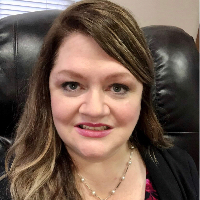
Tracey Byram is an LPC - Licensed Professional Counselor in Georgia with 27 years of clinical experience. She works with young adults and other adults on common early-adulthood pressures like anxiety, stress, career uncertainty, relationship problems, and identity concerns. Tracey also supports people facing mood disorders, trauma, addiction, grief, and parenting strains.
Her approach combines practical, evidence-based methods with a person-centered style. She draws on Cognitive Behavioral Therapy (CBT) and Dialectical Behavior Therapy (DBT) to teach coping skills and emotion regulation. Acceptance and Commitment Therapy (ACT) and attachment-based ideas inform how she helps people clarify values and repair relationship patterns.
Tracey has long experience working with LGBT clients and people on the autism spectrum, and she has provided faith-based counseling when requested. She has used therapy dogs in practice and has seen them help some clients engage more easily in sessions.
Sessions are conversational and goal-oriented. Tracey helps people set specific targets, practice skills between meetings, and review progress. She encourages realistic steps for managing sleep, eating, work stress, and intense emotions.
Outside of clinical work she enjoys reading, hiking, yard work, and thrifting. Those personal interests sometimes help build rapport with clients. The focus remains practical: clear strategies for getting through the daily pressures of young adulthood and beyond.
How Tracey’s approaches translate to online work
Acceptance and Commitment Therapy (ACT) helps people name what matters most and take small, values-driven steps. It can be helpful for anxiety, depression, and feeling stuck during life transitions. Cognitive Behavioral Therapy (CBT) focuses on identifying patterns of thinking and behavior and practicing new responses; it often helps with anxiety, mood disorders, sleep, and coping skills. Attachment-Based Therapy looks at patterns in close relationships and supports people who struggle with trust, intimacy, or repeated relationship problems.Finding the right approach is part of the work. The therapist will review goals, preferences, and what has or hasn’t helped before. Together they decide which methods to prioritize and adjust that plan as progress is made.
Confirm current session options before booking. If you prefer remote sessions, check which formats are available with Tracey when you sign up. Online sessions can make it easier to fit therapy into a busy week, allow shorter check-ins when needed, and reduce travel time so appointments work around study or shifts. Licensed professionals can adapt CBT, DBT, and ACT exercises to an online setting so people can practice skills between meetings and track progress in day-to-day life.
Areas of expertise
Primary focus
Also works with
Additional focus areas
Therapeutic approaches
Experience
27+ years
Listed in
Georgia
Languages
English
Frequently asked questions
What kinds of problems does she help with?
She works with stress, anxiety, depression, bipolar disorder, trauma, addictions, relationship and family concerns, grief, sleep and eating issues, ADHD, and related problems.
How would she describe her therapeutic style?
She uses a conversational, goal-focused style that combines skill teaching with values work. Expect practical tools from CBT, DBT, and ACT along with attention to attachment patterns.
How much experience does she have?
Tracey has 27 years of clinical experience working with adults, young adults, LGBT clients, and people on the autism spectrum.
Is she a licensed clinician and where does she practice?
She is an LPC - Licensed Professional Counselor in Georgia and practices in that state.
What languages are supported?
Sessions are offered in English.
Does she work with international clients?
She does not accept international clients at this time.
How are sessions paid for?
Cost varies with location; sessions use a subscription that can be canceled at any time.
How do I get started with her?
Select the See online therapy options button, complete a short matching questionnaire, and schedule a first session.
Online talk therapy through BetterHelp is for adults aged 18 and over and is not emergency care. If you are in danger, use the emergency numbers. Find someone else by name.