
Brooke Bowen
LPCAlabama · 22 yrs exp
LPC in Alabama - Young adult and life transitions
Stress, Anxiety · Trauma and abuse · Anger · Self esteem · +16 more
Read profileTherapist listings are provided by BetterHelp. We will earn a commission at no additional cost to you if you use our links to purchase.
Compare profiles of therapists who list Phobias among their focus areas and review listed location, approaches, credentials, and languages. Browse profiles to find professionals whose experience and style fit the challenges of young adulthood.
Alabama · 22 yrs exp
LPC in Alabama - Young adult and life transitions
Stress, Anxiety · Trauma and abuse · Anger · Self esteem · +16 more
Read profile
Florida · 20 yrs exp
Dr. Daniella Jackson - LMHC, Addiction and Life Transitions
Stress, Anxiety · Addictions · Relationship · Self esteem · +16 more
Read profile
Louisiana · 7 yrs exp
Dr. Tanya Harrell - LPC, young adult issues and anxiety
Stress, Anxiety · Family · Trauma and abuse · Parenting · +15 more
Read profile
Texas · 15 yrs exp
Licensed counselor - Young adult concerns
Addictions · Relationship · Trauma and abuse · Grief · +13 more
Read profile
Florida · 7 yrs exp
LMHC - Young adult issues and addictions
Addictions · Relationship · Family · Trauma and abuse · +13 more
Read profile
Michigan · 5 yrs exp
Licensed Professional Counselor - Young adult issues
Stress, Anxiety · Relationship · Family · Self esteem · +12 more
Read profile
Florida · 12 yrs exp
LMHC - Young adult issues and relationships
Stress, Anxiety · Relationship · Intimacy-related issues · Depression · +8 more
Read profile
Illinois · 10 yrs exp
Illinois LCPC - Young adult issues and relationships
Stress, Anxiety · LGBT · Relationship · Trauma and abuse · +10 more
Read profile
Florida · 14 yrs exp
Licensed Mental Health Counselor - Relationships and Mood
Stress, Anxiety · Trauma and abuse · Bipolar · Depression · +16 more
Read profile
Texas · 13 yrs exp
Licensed counselor and marriage therapist - young adult concerns
Stress, Anxiety · LGBT · Relationship · Trauma and abuse · +12 more
Read profile
Washington · 12 yrs exp
LMHC - Young adult issues and relationships
Stress, Anxiety · Relationship · Family · Self esteem · +15 more
Read profile
Colorado · 11 yrs exp
LPC counselor - Young adult issues, life transitions
Stress, Anxiety · LGBT · Trauma and abuse · Anger · +15 more
Read profile
Michigan · 21 yrs exp
LMSW - Anxiety and relationship concerns
Stress, Anxiety · Relationship · Family · Bipolar · +14 more
Read profile
Texas · 22 yrs exp
Licensed Professional Counselor - Young adult issues and relationships
Stress, Anxiety · Relationship · Trauma and abuse · Depression · +16 more
Read profile
Texas · 20 yrs exp
Licensed Professional Counselor - stress and anxiety
Stress, Anxiety · Trauma and abuse · Self esteem · Depression · +12 more
Read profile
Pennsylvania · 6 yrs exp
Licensed Professional Counselor - Young adult issues
Stress, Anxiety · LGBT · Relationship · Self esteem · +15 more
Read profile
Arizona · 22 yrs exp
Licensed Professional Counselor - Young adult issues and life changes
Stress, Anxiety · Relationship · Family · Grief · +16 more
Read profile
Ohio · 17 yrs exp
LISW - Young adult concerns and life change
Stress, Anxiety · Family · Parenting · Depression · +12 more
Read profile
Michigan · 31 yrs exp
LMSW - Young adult issues and relationships
Stress, Anxiety · Family · Trauma and abuse · Self esteem · +16 more
Read profile
Kansas · 17 yrs exp
Licensed Clinical Professional Counselor - Young adult issues
Stress, Anxiety · Relationship · Family · Anger · +10 more
Read profile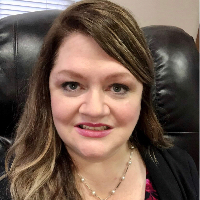
Georgia · 27 yrs exp
LPC counselor - Young adult issues and mood concerns
Stress, Anxiety · Trauma and abuse · Bipolar · Depression · +16 more
Read profile
Texas · 18 yrs exp
Licensed Professional Counselor - Trauma and Addiction
Stress, Anxiety · Addictions · LGBT · Relationship · +14 more
Read profile
Illinois · 5 yrs exp
Illinois psychologist - stress and relationships
Stress, Anxiety · Relationship · Trauma and abuse · Depression · +12 more
Read profile
South Carolina · 20 yrs exp
Licensed Professional Counselor - Young adult issues and trauma
Stress, Anxiety · Relationship · Trauma and abuse · Anger · +11 more
Read profile
Texas · 15 yrs exp
Licensed Professional Counselor - Young adult concerns
Stress, Anxiety · Grief · Self esteem · Depression · +13 more
Read profile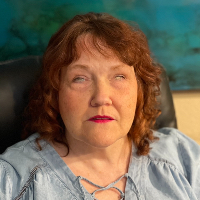
Texas · 16 yrs exp
Licensed Professional Counselor - Young adult issues
Stress, Anxiety · Family · Parenting · Bipolar · +11 more
Read profile
Oklahoma · 9 yrs exp
Licensed Professional Counselor - young adult issues
Stress, Anxiety · Anger · Self esteem · Coping with life changes · +16 more
Read profile
Mississippi · 15 yrs exp
Licensed Professional Counselor - Young adult concerns
Stress, Anxiety · Addictions · Relationship · Family · +5 more
Read profile
Louisiana · 20 yrs exp
LPC counselor - Young adult issues and family concerns
Stress, Anxiety · Family · Parenting · Anger · +9 more
Read profile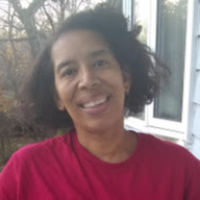
New Jersey · 20 yrs exp
LMFT - Relationships and Young Adult Issues
Stress, Anxiety · Relationship · Trauma and abuse · Self esteem · +14 more
Read profile
Iowa · 25 yrs exp
LISW - Young adult issues and trauma
Stress, Anxiety · Relationship · Trauma and abuse · Self esteem · +12 more
Read profile
Texas · 12 yrs exp
Licensed Professional Counselor - Young adult issues and relationships
Stress, Anxiety · Addictions · Relationship · Trauma and abuse · +14 more
Read profile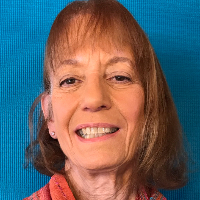
Colorado · 15 yrs exp
Licensed Professional Counselor - Young adult issues
Stress, Anxiety · Addictions · Trauma and abuse · Anger · +6 more
Read profile
Michigan · 40 yrs exp
LMSW - Anxiety and Relationship Concerns
Stress, Anxiety · Family · Grief · Self esteem · +16 more
Read profile
North Carolina · 5 yrs exp
Licensed counselor - Young adult issues
Stress, Anxiety · Family · Trauma and abuse · Depression · +15 more
Read profile
Florida · 9 yrs exp
Licensed Mental Health Counselor - Young adult issues
Stress, Anxiety · Trauma and abuse · Parenting · Depression · +10 more
Read profile
Wisconsin · 8 yrs exp
LPC in Wisconsin - Young adult and relationship concerns
Stress, Anxiety · Relationship · Self esteem · Career · +10 more
Read profile
New York · 9 yrs exp
Licensed mental health counselor - stress and relationships
Stress, Anxiety · Relationship · Parenting · Self esteem · +1 more
Read profile
Missouri · 8 yrs exp
Licensed counselor - Young adult and trauma concerns
Stress, Anxiety · Addictions · LGBT · Trauma and abuse · +15 more
Read profile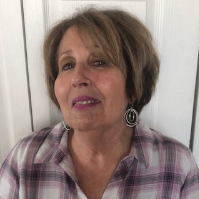
Arizona · 25 yrs exp
LPC in Arizona - Stress and Relationship Support
Stress, Anxiety · Addictions · Relationship · Trauma and abuse · +11 more
Read profile
Florida · 10 yrs exp
LMHC in Florida - Anxiety and Relationships
Stress, Anxiety · Addictions · Relationship · Anger · +7 more
Read profile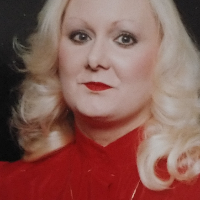
Alabama · 41 yrs exp
Licensed Professional Counselor - Young adult issues and relationships
Stress, Anxiety · Addictions · Trauma and abuse · Self esteem · +14 more
Read profile
Missouri · 19 yrs exp
Licensed counselor - Young adult issues
Stress, Anxiety · Relationship · Trauma and abuse · Depression · +14 more
Read profile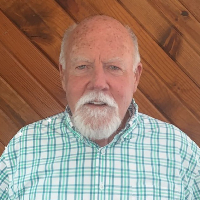
Missouri · 45 yrs exp
Dr. Michael Cundiff - LPC, stress and relationship concerns
Stress, Anxiety · Relationship · Family · Parenting · +15 more
Read profile
Florida · 10 yrs exp
LMHC - Mood and life transition support
Stress, Anxiety · Addictions · Anger · Bipolar · +11 more
Read profile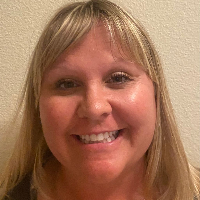
Colorado · 18 yrs exp
Licensed counselor - Young adult concerns
Stress, Anxiety · Addictions · Relationship · Self esteem · +15 more
Read profile
Mississippi · 16 yrs exp
Licensed Professional Counselor - Young adult issues
Stress, Anxiety · Parenting · Anger · Self esteem · +10 more
Read profile
Iowa · 9 yrs exp
LMHC - Trauma and life transitions
Trauma and abuse · Grief · Anger · Self esteem · +10 more
Read profile
North Carolina · 20 yrs exp
LCMHC - Stress and Young Adult Issues
Stress, Anxiety · Addictions · Trauma and abuse · Grief · +1 more
Read profile
Mississippi · 20 yrs exp
LPC in Mississippi - Young adult issues and relationships
Stress, Anxiety · Relationship · Trauma and abuse · Anger · +10 more
Read profile
New York · 13 yrs exp
LCSW-R - Young adult issues and life transitions
Stress, Anxiety · Trauma and abuse · Depression · Coaching · +13 more
Read profile
Georgia · 9 yrs exp
Licensed Professional Counselor - Young adult issues, trauma
Stress, Anxiety · Anger · Self esteem · Bipolar · +11 more
Read profile
Texas · 9 yrs exp
Licensed Professional Counselor - Young adult concerns
Stress, Anxiety · Trauma and abuse · Self esteem · Bipolar · +14 more
Read profile
Michigan · 10 yrs exp
Licensed social worker - Young adult issues and addictions
Addictions · Relationship · Trauma and abuse · Self esteem · +16 more
Read profile
New Jersey · 38 yrs exp
Dr. Gagan Luthra LPC CSW - Young adult issues and addictions
Stress, Anxiety · Addictions · LGBT · Trauma and abuse · +13 more
Read profile
Ohio · 23 yrs exp
Rev. Tecky Rusk, LPCC - Anxiety and Life Transitions
Stress, Anxiety · Relationship · Trauma and abuse · Bipolar · +11 more
Read profile
Indiana · 10 yrs exp
LMHC in Indiana - Young adult issues and anxiety
Stress, Anxiety · Relationship · Trauma and abuse · Depression · +3 more
Read profile
Illinois · 18 yrs exp
Illinois LCPC - Young adult issues
Stress, Anxiety · Addictions · Trauma and abuse · Grief · +12 more
Read profile
Texas · 20 yrs exp
Licensed Professional Counselor - Relationships and Young Adult Concerns
Stress, Anxiety · Relationship · Depression · Coping with life changes · +12 more
Read profile
Louisiana · 10 yrs exp
Licensed Professional Counselor - Young adult issues
Stress, Anxiety · Addictions · Grief · Self esteem · +11 more
Read profilePhobias are intense, persistent fears of particular objects or situations that can lead to avoidance and interference with daily life. In your twenties, life changes such as leaving home, studying, moving for work, long commutes, and new relationships can bring phobias into sharper focus. A fear that once felt manageable may become limiting when you need to travel for a job interview, attend crowded social events, or move into shared housing. The stakes feel higher in the decade when identity, independence, and career paths are being shaped.
When you search for help, it is useful to notice whether a therapist mentions experience with young adult issues alongside phobias. That combination can matter when the fear intersects with transitions like starting a first job or handling the pressures of exam seasons. Profiles often describe approaches and focus areas, which can help you understand how a clinician frames phobias - for example as a specific fear to be addressed directly, or as part of a broader pattern of anxiety. Keep in mind that a listed focus indicates interest or experience rather than a formal claim about outcomes or certification.
Phobias do not exist in isolation from other pressures in your life. They can interact with worries about social comparison, financial strain, or feeling behind peers. Avoiding certain situations to manage a fear may also complicate efforts to network, date, or supported employment. You may find yourself turning down opportunities because of a specific fear, and that can feed frustration and isolation. Recognising how a phobia connects to daily responsibilities and life goals is a useful step in deciding what kind of support you want.
On this directory page you will find profiles where therapists list Phobias and Young adult issues as focus areas. That overlap can help you locate clinicians who understand life-stage pressures, but it does not establish specialisation or guarantee the scope of what a therapist treats. If your situation involves overlapping concerns - for example panic symptoms, avoidance that resembles social anxiety, or intrusive thoughts that recur around a specific fear - discuss those intersections directly with the therapist to clarify whether their approach aligns with your needs.
When you read a profile, think in terms of specific questions you can ask to compare options. A practical question is how the therapist describes their approach to phobias - you might ask whether they list exposure-based work among their approaches and how they tailor exposure to your pace and comfort. Another question is how they frame progress: do they discuss skills you can practise between meetings, or do they describe a more exploratory, talk-focused style? You can ask for examples of how they have worked with people in their twenties on fears related to travel, social settings, or performance situations.
It is important to separate academic degrees from professional permission to practise. You can ask a therapist to state their degree - for example PhD, PsyD, MD, MA, or MSW - and to describe the license, registration, or professional membership that applies to their country and listed location. In the United States, licences such as Licensed Clinical Social Worker or Licensed Psychologist are different from the registration systems and professional bodies used in the United Kingdom and Australia. Requesting clarification about the therapist's current registration or license, and the jurisdiction to which it applies, helps you confirm that they are able to work with clients where you are based.
If you are considering remote sessions, begin by asking how the therapist adapts work on phobias to a virtual setting, especially when practical exercises or exposure tasks may be involved. Discuss how you would plan graded exposure together, whether homework is expected, and how progress will be reviewed. Talk about logistical matters too - the therapist's listed location, time zone differences, and whether they are permitted to offer therapeutic services to people in your jurisdiction. Clarifying these points upfront reduces uncertainty and helps you assess fit.
It is also sensible to address safety planning and crisis procedures before you begin. If you experience very low mood or thoughts of self-harm, contact local emergency services or your country's crisis lines immediately. Ask how the therapist handles emergencies and what resources they recommend in your listed location. You might also ask how the therapist manages boundaries around communication between sessions, how cancellations are handled, and what to expect if a session needs to be rescheduled due to technology issues.
When scanning profiles, look for concrete signals that match your priorities. If you want someone who understands the college environment or the pressures of first jobs, notice profiles that explicitly list Young adult issues together with Phobias. If language matters, see which profiles mention languages spoken and whether the therapist notes cultural familiarity relevant to your background. Profiles that list multiple focus areas can indicate a broader frame of experience, but they do not guarantee specific training in a single technique.
Pay attention to how therapists describe their style. Some profiles convey a skills-oriented, practical approach and mention specific strategies you can expect to practise. Others describe a reflective, exploratory style that focuses on understanding patterns and meaning. You can compare this language by asking sample questions such as: Do you take a skills-based approach or an exploratory approach when working on specific fears? How do you decide when to introduce exposure exercises? Which supports do you typically suggest between sessions? Also compare credentials by asking for both the therapist's degree and their current professional licence, registration, or membership relevant to your listed location, and observe whether they explain how those credentials relate to the services they provide.
Choosing someone to work with is a personal process and profiles are a starting point for conversation. Use the profile details to draft a few targeted questions, reach out to introduce your goals, and see how the therapist responds in terms of approach and practicalities. If you ever have immediate safety concerns or are experiencing thoughts of self-harm, contact emergency services or your local crisis line without delay. Otherwise, take your time comparing profiles, and look for a match in approach, experience with young adult issues, and the practical arrangements you need to make the work possible.
Alabama
124 therapists
Alaska
4 therapists
Arizona
69 therapists
Arkansas
45 therapists
Australia
237 therapists
California
396 therapists
Colorado
109 therapists
Connecticut
35 therapists
Delaware
6 therapists
District of Columbia
18 therapists
Florida
591 therapists
Georgia
189 therapists
Hawaii
14 therapists
Idaho
40 therapists
Illinois
131 therapists
Indiana
64 therapists
Iowa
30 therapists
Kansas
46 therapists
Kentucky
62 therapists
Louisiana
132 therapists
Maine
9 therapists
Maryland
108 therapists
Massachusetts
87 therapists
Michigan
273 therapists
Minnesota
100 therapists
Mississippi
63 therapists
Missouri
156 therapists
Montana
23 therapists
Nebraska
40 therapists
Nevada
24 therapists
New Hampshire
12 therapists
New Jersey
108 therapists
New Mexico
13 therapists
New York
200 therapists
North Carolina
209 therapists
North Dakota
3 therapists
Ohio
191 therapists
Oklahoma
115 therapists
Oregon
25 therapists
Pennsylvania
198 therapists
Rhode Island
13 therapists
South Carolina
156 therapists
South Dakota
18 therapists
Tennessee
87 therapists
Texas
728 therapists
United Kingdom
1773 therapists
Utah
30 therapists
Vermont
13 therapists
Virginia
77 therapists
Washington
77 therapists
West Virginia
29 therapists
Wisconsin
76 therapists
Wyoming
17 therapists