
Ruth Vanden Bosch
LPCMichigan · 25 yrs exp
Licensed Professional Counselor - Young adult concerns
Stress, Anxiety · LGBT · Relationship · Grief · +10 more
Read profileTherapist listings are provided by BetterHelp. We will earn a commission at no additional cost to you if you use our links to purchase.
Compare therapist profiles that list Forgiveness as a focus and see how their approaches, credentials, languages and listed location match your needs as a young adult. Use the profile details to narrow options and browse profiles to learn more about each practitioner.
Michigan · 25 yrs exp
Licensed Professional Counselor - Young adult concerns
Stress, Anxiety · LGBT · Relationship · Grief · +10 more
Read profile
Alabama · 22 yrs exp
LPC in Alabama - Young adult and life transitions
Stress, Anxiety · Trauma and abuse · Anger · Self esteem · +16 more
Read profile
South Carolina · 16 yrs exp
LMFT - Young adult issues and relationships
Stress, Anxiety · Relationship · Family · Parenting · +14 more
Read profile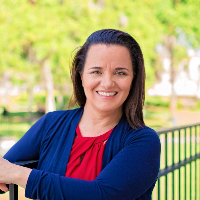
Florida · 20 yrs exp
Dr. Daniella Jackson - LMHC, Addiction and Life Transitions
Stress, Anxiety · Addictions · Relationship · Self esteem · +16 more
Read profile
North Carolina · 16 yrs exp
Dr. Christina Collins, LCMHC - Stress and Relationship concerns
Stress, Anxiety · Relationship · Trauma and abuse · Grief · +7 more
Read profile
Kansas · 12 yrs exp
Licensed Clinical Marriage and Family Therapist - Young adult issues
Stress, Anxiety · Relationship · Intimacy-related issues · Depression · +13 more
Read profile
Texas · 15 yrs exp
Licensed counselor - Young adult concerns
Addictions · Relationship · Trauma and abuse · Grief · +13 more
Read profile
Florida · 7 yrs exp
LMHC - Young adult issues and addictions
Addictions · Relationship · Family · Trauma and abuse · +13 more
Read profile
Michigan · 5 yrs exp
Licensed Professional Counselor - Young adult issues
Stress, Anxiety · Relationship · Family · Self esteem · +12 more
Read profile
Pennsylvania · 12 yrs exp
Licensed counselor - Young adult concerns
Stress, Anxiety · Relationship · Self esteem · Depression · +11 more
Read profile
Arizona · 6 yrs exp
Licensed Professional Counselor - Young adult issues
Stress, Anxiety · Relationship · Family · Self esteem · +11 more
Read profile
Florida · 26 yrs exp
LMHC in Florida - Young adult and relationship issues
Relationship · Grief · Self esteem · Depression · +13 more
Read profile
Florida · 12 yrs exp
LMHC - Young adult issues and relationships
Stress, Anxiety · Relationship · Intimacy-related issues · Depression · +8 more
Read profile
New York · 11 yrs exp
LMHC - Young adult issues and life transitions
Stress, Anxiety · Grief · Self esteem · Relationship · +8 more
Read profile
Missouri · 7 yrs exp
Licensed Professional Counselor - Anxiety and Addictions
Stress, Anxiety · Addictions · Relationship · Self esteem · +13 more
Read profile
Florida · 17 yrs exp
Florida LMHC - Young adult issues and relationships
Stress, Anxiety · Addictions · Relationship · Family · +14 more
Read profile
Louisiana · 10 yrs exp
Licensed counselor - Young adult issues
Stress, Anxiety · Relationship · Family · Depression · +12 more
Read profile
Texas · 10 yrs exp
LPC in Texas - Young adult stress and relationships
Stress, Anxiety · Relationship · Family · Depression · +14 more
Read profile
Texas · 11 yrs exp
LPC in Texas - relationships and anxiety
Stress, Anxiety · Relationship · Family · Parenting · +9 more
Read profile
Illinois · 10 yrs exp
Illinois LCPC - Young adult issues and relationships
Stress, Anxiety · LGBT · Relationship · Trauma and abuse · +10 more
Read profile
Florida · 14 yrs exp
Licensed Mental Health Counselor - Relationships and Mood
Stress, Anxiety · Trauma and abuse · Bipolar · Depression · +16 more
Read profile
Texas · 13 yrs exp
Licensed counselor and marriage therapist - young adult concerns
Stress, Anxiety · LGBT · Relationship · Trauma and abuse · +12 more
Read profile
Washington · 12 yrs exp
LMHC - Young adult issues and relationships
Stress, Anxiety · Relationship · Family · Self esteem · +15 more
Read profile
Minnesota · 23 yrs exp
LMFT - Young adult issues and relationships
Stress, Anxiety · Relationship · Trauma and abuse · Self esteem · +13 more
Read profile
Louisiana · 22 yrs exp
LMFT and LPC - Stress and Young Adult Issues
Stress, Anxiety · Relationship · Family · Grief · +11 more
Read profile
Michigan · 35 yrs exp
LMSW - Stress and relationship issues
Stress, Anxiety · Addictions · Trauma and abuse · Self esteem · +3 more
Read profile
Colorado · 11 yrs exp
LPC counselor - Young adult issues, life transitions
Stress, Anxiety · LGBT · Trauma and abuse · Anger · +15 more
Read profile
Michigan · 15 yrs exp
Licensed counselor - young adult issues
Stress, Anxiety · Anger · Self esteem · Depression · +10 more
Read profile
Michigan · 21 yrs exp
LMSW - Anxiety and relationship concerns
Stress, Anxiety · Relationship · Family · Bipolar · +14 more
Read profile
Texas · 22 yrs exp
Licensed Professional Counselor - Young adult issues and relationships
Stress, Anxiety · Relationship · Trauma and abuse · Depression · +16 more
Read profile
South Dakota · 12 yrs exp
Licensed counselor - young adult concerns
Stress, Anxiety · Relationship · Family · Trauma and abuse · +13 more
Read profile
Pennsylvania · 9 yrs exp
LPC in Pennsylvania - life transitions and relationships
Stress, Anxiety · Grief · Parenting · Self esteem · +11 more
Read profile
Wisconsin · 11 yrs exp
LPC in Wisconsin - young adult issues and life transitions
Stress, Anxiety · Family · Trauma and abuse · Depression · +12 more
Read profile
Florida · 10 yrs exp
LMHC - Stress and Young Adult Issues
Stress, Anxiety · Family · Parenting · Self esteem · +10 more
Read profile
Florida · 20 yrs exp
LMHC - Stress and Relationship Concerns
Stress, Anxiety · Relationship · Family · Self esteem · +9 more
Read profile
Texas · 23 yrs exp
Licensed Professional Counselor - Relationships and Young adult issues
Stress, Anxiety · Relationship · Self esteem · Career · +11 more
Read profile
Texas · 10 yrs exp
Licensed Marriage and Family Therapist - Young adult issues
Stress, Anxiety · Relationship · Family · Parenting · +5 more
Read profile
Pennsylvania · 6 yrs exp
Licensed Professional Counselor - Young adult issues
Stress, Anxiety · LGBT · Relationship · Self esteem · +15 more
Read profile
Arizona · 22 yrs exp
Licensed Professional Counselor - Young adult issues and life changes
Stress, Anxiety · Relationship · Family · Grief · +16 more
Read profile
Utah · 6 yrs exp
LCMHC - Anxiety and Trauma
Stress, Anxiety · Trauma and abuse · Self esteem · Depression · +8 more
Read profile
Virginia · 14 yrs exp
Licensed Professional Counselor - Trauma and Young Adult Concerns
Trauma and abuse · Grief · Coping with life changes · Compassion fatigue · +12 more
Read profile
Nebraska · 25 yrs exp
LMHP - Young adult issues and life transitions
Stress, Anxiety · Family · Trauma and abuse · Parenting · +12 more
Read profile
Florida · 20 yrs exp
Licensed Mental Health Counselor - Young adult concerns
Stress, Anxiety · Grief · Self esteem · Depression · +9 more
Read profile
Ohio · 20 yrs exp
LISW - Young adult stress and relationships
Stress, Anxiety · LGBT · Family · Grief · +16 more
Read profile
Wisconsin · 11 yrs exp
Licensed Professional Counselor - Young adult issues
Stress, Anxiety · Relationship · Family · Self esteem · +6 more
Read profile
Georgia · 3 yrs exp
Licensed Professional Counselor - Young adult concerns
Stress, Anxiety · Relationship · Family · Intimacy-related issues · +6 more
Read profile
Virginia · 13 yrs exp
Licensed Professional Counselor - Stress and Anxiety
Stress, Anxiety · Anger · Self esteem · Depression · +9 more
Read profile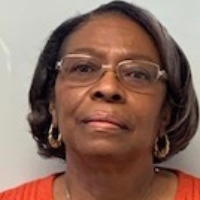
Alabama · 20 yrs exp
Licensed Professional Counselor - Young adult issues
Stress, Anxiety · Relationship · Grief · Depression · +9 more
Read profile
Florida · 13 yrs exp
LMHC - Young adult life and relationships
Stress, Anxiety · Relationship · Intimacy-related issues · Depression · +15 more
Read profile
Texas · 10 yrs exp
Licensed Professional Counselor - Young adult issues and stress
Stress, Anxiety · Self esteem · Career · Coping with life changes · +1 more
Read profile
Colorado · 19 yrs exp
LPC - Young adult stress and relationships
Stress, Anxiety · Addictions · Self esteem · Depression · +14 more
Read profile
Louisiana · 14 yrs exp
LPC in Louisiana - Young adult issues and relationships
Stress, Anxiety · Parenting · Anger · Self esteem · +1 more
Read profile
Michigan · 16 yrs exp
Licensed Counselor - Young adult issues and addictions
Stress, Anxiety · Addictions · Relationship · Parenting · +8 more
Read profile
Ohio · 17 yrs exp
LISW - Young adult concerns and life change
Stress, Anxiety · Family · Parenting · Depression · +12 more
Read profile
Illinois · 38 yrs exp
LCPC - Young adult issues and life changes
Stress, Anxiety · Self esteem · Depression · Coping with life changes · +9 more
Read profile
New York · 13 yrs exp
LMHC - Young adult issues and mood concerns
Stress, Anxiety · Self esteem · Depression · Coping with life changes · +8 more
Read profile
Georgia · 7 yrs exp
Licensed Marriage and Family Therapist - Young adult issues
Stress, Anxiety · Relationship · Intimacy-related issues · Anger · +11 more
Read profile
Oregon · 17 yrs exp
LMFT - Stress and Relationship Concerns
Stress, Anxiety · Trauma and abuse · Grief · Intimacy-related issues · +1 more
Read profile
Kansas · 17 yrs exp
Licensed Clinical Professional Counselor - Young adult issues
Stress, Anxiety · Relationship · Family · Anger · +10 more
Read profile
Louisiana · 15 yrs exp
Licensed counselor - Young adult issues
Stress, Anxiety · Trauma and abuse · Grief · Self esteem · +1 more
Read profileIn your late teens and twenties you are often navigating major life shifts - leaving home, starting work or higher study, forming new relationships and reassessing old ones. Those shifts can bring unresolved tensions into focus. Forgiveness work can be relevant whether you are processing betrayal, disappointment, family conflict, or feelings of guilt about choices you made while still figuring things out. When you explore profiles here, you will find therapists who list Forgiveness among their focus areas; that listing signals an interest or experience rather than a guarantee of a particular outcome or method.
Forgiveness is not the same for everyone. For some people it means letting go of an expectation that someone else will change. For others it is a practice of setting boundaries while releasing a cycle of rumination. You may also be balancing cultural or religious views on forgiveness with what feels right for you. Talking with a therapist who understands young adult concerns can help you clarify what forgiveness might look like in your life - whether that involves restoring a relationship, redefining it, or deciding not to engage further. Use the profiles to find therapists who mention experience with issues that match your situation, such as family estrangement, relationship repair, or negotiating forgiveness across cultural contexts.
Forgiveness often intersects with identity, comparison, and transition in your twenties. You may be comparing your progress to peers on social media and feeling backward about past choices. You may also be weighing whether to reconcile with someone who hurt you or to prioritise your own boundaries. Therapists who list both Young adult issues and Forgiveness among their focuses can be helpful because they are more likely to be familiar with the developmental timing and pressures that shape these decisions. That familiarity helps them frame questions that fit the life stage you are in - for example, how college departures or early career stress influence your capacity to process hurt.
Keep in mind that a listed focus does not establish that a therapist treats couples, families, or people under 18. The profiles are a starting point for a conversation. When you read descriptions, look for language about the types of concerns the therapist mentions working with - such as relational betrayal, reconciliation after a breakup, or guilt tied to changing life goals. That gives you a clearer idea of whether the therapist has reflected on forgiveness in contexts similar to yours, rather than relying on a generic label.
When you contact someone whose profile seems relevant, you can ask concrete questions that reveal whether their approach fits your preferences. You might ask how they typically work with people who struggle to forgive when trust has been violated, and whether they separate practical steps - such as boundary-setting - from emotional processing. You can ask whether they have experience addressing cultural or religious dimensions of forgiveness, because those factors can shape what forgiveness means to you. Asking about how they help people manage recurring thoughts or rumination can tell you whether their style leans toward skills-based work, narrative exploration, trauma-informed care, or another orientation.
Also ask about scope of practice and what they mean by the word forgiveness in their work. Some therapists might focus on acceptance and self-compassion rather than reconciliation, while others may integrate communication strategies for repairing relationships. Ask how they measure progress in a way that matters to you - for example, feeling less reactive, sleeping better, or being able to articulate personal boundaries. Those concrete goals help you know whether the therapist’s approach aligns with your priorities without implying any promise of results.
Before you begin, there are practical matters that will shape whether a therapist is a good match. If you plan to work remotely, discuss time zones and listed location so you both understand scheduling. Talk about how they handle emergencies or crises and what steps you should take if you experience thoughts of harming yourself; if you are in immediate danger, contact local emergency services or crisis lines right away. You can also ask how they typically structure early sessions when forgiveness is the central concern - whether they begin by mapping the relationship history, focusing on self-directed healing, or combining both.
It is also worth mentioning any cultural, religious or familial norms that inform your view of forgiveness. That helps the therapist understand context and avoid assumptions. If communication with the person you are considering forgiving is likely, discuss whether the therapist supports role-play or communication planning and what that might involve. Finally, confirm what the profile shows - such as listed languages and stated areas of focus - and ask about anything that is important to your comfort and clarity before committing time to sessions.
Profiles offer different kinds of information you can use to compare options. Focus areas show the topics a therapist lists, which helps you find people who mention Forgiveness alongside issues common in your twenties - identity work, relationship transitions, or family dynamics. Credentials on a profile may include academic degrees like PhD, PsyD, MD, MA or MSW. Those degrees speak to training, but they do not by themselves confirm current permission to practise. In the United States therapists are typically licensed by state boards and may hold credentials such as LCSW, LPC or LMFT; in the United Kingdom practitioners may be registered with regulatory bodies such as the HCPC or be members of professional associations such as the BACP; in Australia look for registration with AHPRA or membership in recognised professional associations. Ask about current registration or licensure and what it covers in the listed location.
Language and cultural competence are also important. If you prefer to work in a language other than the majority language in your country, look for that language in the profile. If cultural background matters - for example, how forgiveness is conceptualised in your family or community - look for mention of relevant experience and then ask direct questions about it. Pay attention to the therapist’s described style - whether they present as more directive, collaborative, exploratory, or pragmatic - and consider which style helps you do the best work. Profiles can give you clues, but the most reliable way to know is to discuss these topics before you start. Remember that a listed focus is a starting point for conversation, not a guarantee of specific services, and that you should directly confirm scope of practice and relevant experience with the therapist you are interested in.
If you are experiencing intense distress or thoughts of harming yourself, reach out to local emergency services or a crisis line immediately. Otherwise, use the profile details here to narrow options and begin conversations that clarify how a therapist works with forgiveness and the young adult challenges you face.
Alabama
124 therapists
Alaska
4 therapists
Arizona
69 therapists
Arkansas
45 therapists
Australia
237 therapists
California
396 therapists
Colorado
109 therapists
Connecticut
35 therapists
Delaware
6 therapists
District of Columbia
18 therapists
Florida
591 therapists
Georgia
189 therapists
Hawaii
14 therapists
Idaho
40 therapists
Illinois
131 therapists
Indiana
64 therapists
Iowa
30 therapists
Kansas
46 therapists
Kentucky
62 therapists
Louisiana
132 therapists
Maine
9 therapists
Maryland
108 therapists
Massachusetts
87 therapists
Michigan
273 therapists
Minnesota
100 therapists
Mississippi
63 therapists
Missouri
156 therapists
Montana
23 therapists
Nebraska
40 therapists
Nevada
24 therapists
New Hampshire
12 therapists
New Jersey
108 therapists
New Mexico
13 therapists
New York
200 therapists
North Carolina
209 therapists
North Dakota
3 therapists
Ohio
191 therapists
Oklahoma
115 therapists
Oregon
25 therapists
Pennsylvania
198 therapists
Rhode Island
13 therapists
South Carolina
156 therapists
South Dakota
18 therapists
Tennessee
87 therapists
Texas
728 therapists
United Kingdom
1773 therapists
Utah
30 therapists
Vermont
13 therapists
Virginia
77 therapists
Washington
77 therapists
West Virginia
29 therapists
Wisconsin
76 therapists
Wyoming
17 therapists