
Ruth Vanden Bosch
LPCMichigan · 25 yrs exp
Licensed Professional Counselor - Young adult concerns
Stress, Anxiety · LGBT · Relationship · Grief · +10 more
Read profileTherapist listings are provided by BetterHelp. We will earn a commission at no additional cost to you if you use our links to purchase.
Browse profiles that list Body Image among their focus areas and compare how therapists describe their approach, experience, languages, and listed location. Use the information on each profile to decide which professionals you want to learn more about and to prepare questions for an initial conversation.
Michigan · 25 yrs exp
Licensed Professional Counselor - Young adult concerns
Stress, Anxiety · LGBT · Relationship · Grief · +10 more
Read profile
Alabama · 22 yrs exp
LPC in Alabama - Young adult and life transitions
Stress, Anxiety · Trauma and abuse · Anger · Self esteem · +16 more
Read profile
South Carolina · 16 yrs exp
LMFT - Young adult issues and relationships
Stress, Anxiety · Relationship · Family · Parenting · +14 more
Read profile
Florida · 20 yrs exp
Dr. Daniella Jackson - LMHC, Addiction and Life Transitions
Stress, Anxiety · Addictions · Relationship · Self esteem · +16 more
Read profile
North Carolina · 16 yrs exp
Dr. Christina Collins, LCMHC - Stress and Relationship concerns
Stress, Anxiety · Relationship · Trauma and abuse · Grief · +7 more
Read profile
Kansas · 12 yrs exp
Licensed Clinical Marriage and Family Therapist - Young adult issues
Stress, Anxiety · Relationship · Intimacy-related issues · Depression · +13 more
Read profile
Kentucky · 18 yrs exp
Licensed marriage and family therapist - relationships and identity
LGBT · Relationship · Family · Self esteem · +14 more
Read profile
Louisiana · 7 yrs exp
Dr. Tanya Harrell - LPC, young adult issues and anxiety
Stress, Anxiety · Family · Trauma and abuse · Parenting · +15 more
Read profile
Florida · 7 yrs exp
LMHC - Young adult issues and addictions
Addictions · Relationship · Family · Trauma and abuse · +13 more
Read profile
Michigan · 5 yrs exp
Licensed Professional Counselor - Young adult issues
Stress, Anxiety · Relationship · Family · Self esteem · +12 more
Read profile
Florida · 26 yrs exp
LMHC in Florida - Young adult and relationship issues
Relationship · Grief · Self esteem · Depression · +13 more
Read profile
Florida · 17 yrs exp
Florida LMHC - Young adult issues and relationships
Stress, Anxiety · Addictions · Relationship · Family · +14 more
Read profile
Louisiana · 10 yrs exp
Licensed counselor - Young adult issues
Stress, Anxiety · Relationship · Family · Depression · +12 more
Read profile
Texas · 10 yrs exp
LPC in Texas - Young adult stress and relationships
Stress, Anxiety · Relationship · Family · Depression · +14 more
Read profile
Texas · 11 yrs exp
LPC in Texas - relationships and anxiety
Stress, Anxiety · Relationship · Family · Parenting · +9 more
Read profile
Illinois · 10 yrs exp
Illinois LCPC - Young adult issues and relationships
Stress, Anxiety · LGBT · Relationship · Trauma and abuse · +10 more
Read profile
Florida · 14 yrs exp
Licensed Mental Health Counselor - Relationships and Mood
Stress, Anxiety · Trauma and abuse · Bipolar · Depression · +16 more
Read profile
Texas · 13 yrs exp
Licensed counselor and marriage therapist - young adult concerns
Stress, Anxiety · LGBT · Relationship · Trauma and abuse · +12 more
Read profile
Washington · 12 yrs exp
LMHC - Young adult issues and relationships
Stress, Anxiety · Relationship · Family · Self esteem · +15 more
Read profile
Louisiana · 22 yrs exp
LMFT and LPC - Stress and Young Adult Issues
Stress, Anxiety · Relationship · Family · Grief · +11 more
Read profile
Colorado · 11 yrs exp
LPC counselor - Young adult issues, life transitions
Stress, Anxiety · LGBT · Trauma and abuse · Anger · +15 more
Read profile
Texas · 22 yrs exp
Licensed Professional Counselor - Young adult issues and relationships
Stress, Anxiety · Relationship · Trauma and abuse · Depression · +16 more
Read profile
Florida · 20 yrs exp
LMHC - Stress and Relationship Concerns
Stress, Anxiety · Relationship · Family · Self esteem · +9 more
Read profile
Pennsylvania · 6 yrs exp
Licensed Professional Counselor - Young adult issues
Stress, Anxiety · LGBT · Relationship · Self esteem · +15 more
Read profile
Arizona · 22 yrs exp
Licensed Professional Counselor - Young adult issues and life changes
Stress, Anxiety · Relationship · Family · Grief · +16 more
Read profile
Utah · 6 yrs exp
LCMHC - Anxiety and Trauma
Stress, Anxiety · Trauma and abuse · Self esteem · Depression · +8 more
Read profile
Ohio · 20 yrs exp
LISW - Young adult stress and relationships
Stress, Anxiety · LGBT · Family · Grief · +16 more
Read profile
Wisconsin · 11 yrs exp
Licensed Professional Counselor - Young adult issues
Stress, Anxiety · Relationship · Family · Self esteem · +6 more
Read profile
Wisconsin · 17 yrs exp
Licensed Professional Counselor - Young adult concerns
Stress, Anxiety · Relationship · Trauma and abuse · Self esteem · +11 more
Read profile
South Carolina · 20 yrs exp
LISW - Stress and relationship concerns
Stress, Anxiety · Relationship · Eating · Self esteem · +10 more
Read profile
Texas · 10 yrs exp
Licensed Professional Counselor - Young adult issues and stress
Stress, Anxiety · Self esteem · Career · Coping with life changes · +1 more
Read profile
Colorado · 19 yrs exp
LPC - Young adult stress and relationships
Stress, Anxiety · Addictions · Self esteem · Depression · +14 more
Read profile
Ohio · 17 yrs exp
LISW - Young adult concerns and life change
Stress, Anxiety · Family · Parenting · Depression · +12 more
Read profile
Michigan · 31 yrs exp
LMSW - Young adult issues and relationships
Stress, Anxiety · Family · Trauma and abuse · Self esteem · +16 more
Read profile
Florida · 32 yrs exp
LMHC - Stress and Relationship concerns
Stress, Anxiety · Relationship · Trauma and abuse · Bipolar · +8 more
Read profile
New York · 13 yrs exp
LMHC - Young adult issues and mood concerns
Stress, Anxiety · Self esteem · Depression · Coping with life changes · +8 more
Read profile
Kansas · 17 yrs exp
Licensed Clinical Professional Counselor - Young adult issues
Stress, Anxiety · Relationship · Family · Anger · +10 more
Read profile
Florida · 11 yrs exp
LMHC - Stress and Relationship support
Stress, Anxiety · Relationship · Parenting · Self esteem · +11 more
Read profile
Tennessee · 35 yrs exp
Licensed LMFT - Addictions and Relationships
Addictions · Relationship · Family · Trauma and abuse · +1 more
Read profile
Colorado · 13 yrs exp
LMFT - Young adult issues and relationships
Stress, Anxiety · LGBT · Relationship · Trauma and abuse · +10 more
Read profile
Minnesota · 7 yrs exp
Licensed Professional Clinical Counselor - Stress and Trauma
Stress, Anxiety · LGBT · Trauma and abuse · Self esteem · +9 more
Read profile
Georgia · 27 yrs exp
LPC counselor - Young adult issues and mood concerns
Stress, Anxiety · Trauma and abuse · Bipolar · Depression · +16 more
Read profile
Oklahoma · 27 yrs exp
Licensed counselor - Young adult issues and mood concerns
Stress, Anxiety · Addictions · Parenting · Anger · +11 more
Read profile
Massachusetts · 20 yrs exp
LICSW - Stress and Life Transitions
Stress, Anxiety · Self esteem · Career · Depression · +11 more
Read profile
Texas · 18 yrs exp
Licensed Professional Counselor - Trauma and Addiction
Stress, Anxiety · Addictions · LGBT · Relationship · +14 more
Read profile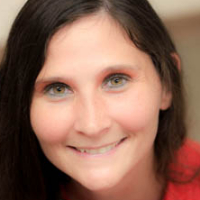
Florida · 18 yrs exp
Dr. Nicole Thweatt, LMHC - Young adult issues and relationships
Stress, Anxiety · Parenting · Anger · Self esteem · +13 more
Read profile
Illinois · 5 yrs exp
Illinois psychologist - stress and relationships
Stress, Anxiety · Relationship · Trauma and abuse · Depression · +12 more
Read profile
Florida · 11 yrs exp
LMHC - Stress and Anxiety support
Stress, Anxiety · Relationship · Family · Grief · +7 more
Read profile
Texas · 19 yrs exp
Licensed Professional Counselor - Young adult concerns
Stress, Anxiety · Relationship · Family · Trauma and abuse · +12 more
Read profile
Indiana · 11 yrs exp
LMHC - Young adult issues and anxiety
Stress, Anxiety · Addictions · Trauma and abuse · Parenting · +14 more
Read profile
Texas · 8 yrs exp
Licensed counselor - Young adult issues and mood concerns
Stress, Anxiety · Addictions · Trauma and abuse · Self esteem · +11 more
Read profile
Texas · 15 yrs exp
Licensed Professional Counselor - Young adult concerns
Stress, Anxiety · Grief · Self esteem · Depression · +13 more
Read profile
Missouri · 20 yrs exp
LPC - Anxiety and Relationship Concerns
Stress, Anxiety · Relationship · Family · Trauma and abuse · +4 more
Read profile
Texas · 17 yrs exp
LPC in Texas - Mood and life challenges
Stress, Anxiety · Addictions · Self esteem · Bipolar · +15 more
Read profile
Texas · 13 yrs exp
Licensed Professional Counselor - Relationships and ADHD
Stress, Anxiety · Relationship · Family · Parenting · +14 more
Read profile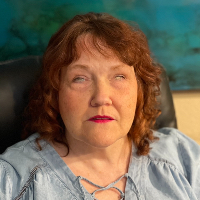
Texas · 16 yrs exp
Licensed Professional Counselor - Young adult issues
Stress, Anxiety · Family · Parenting · Bipolar · +11 more
Read profile
Oklahoma · 9 yrs exp
Licensed Professional Counselor - young adult issues
Stress, Anxiety · Anger · Self esteem · Coping with life changes · +16 more
Read profile
Mississippi · 15 yrs exp
Licensed Professional Counselor - Young adult concerns
Stress, Anxiety · Addictions · Relationship · Family · +5 more
Read profile
New Jersey · 25 yrs exp
LPC in New Jersey - Stress and Anxiety
Stress, Anxiety · Family · Anger · Self esteem · +1 more
Read profile
New York · 20 yrs exp
LMHC - Young adult issues and relationships
Stress, Anxiety · Relationship · Family · Self esteem · +15 more
Read profileEntering your twenties often brings a convergence of life changes that can make how you feel about your body more central to day-to-day living. You may be leaving home, navigating college or graduate study, starting a first job, or adjusting to changing relationships and financial responsibilities. Those transitions can increase the frequency of situations that trigger comparison with others - from in-person social circles to curated feeds on social media. The result can be a heightened awareness of appearance, performance, and perceived identity. You might notice shifts in eating habits, exercise patterns, or avoidance of certain social or intimate situations. For many people the feelings are intermittent and tied to a specific stressor, while for others they are more persistent and overlap with low mood, anxiety, or difficulties with self-worth.
When you explore profiles on this page, think about which aspects of young adulthood are most relevant to your experience. Some therapists describe work with identity exploration, academic stress or career transitions; others highlight help with relationship patterns, social comparison, or body-focused anxiety. Reading profiles helps you see which professionals mention the life contexts that match your situation and which list Body Image as an explicit focus rather than a brief note among many topics.
Body image rarely exists in isolation. The way you feel about your body can influence and be influenced by dating and intimate relationships, workplace dynamics, sleep and appetite, and the ways you present yourself online. If you are juggling study or exams, the fluctuation of routines and the pressure to perform can magnify critical self-talk. If you have recently moved cities or started a new job, changes in social networks can alter the mirror you use to measure yourself. Financial stress can limit options for self-care or treatment, and a sense of falling behind peers may intensify comparison-driven dissatisfaction.
This directory groups profiles where Body Image appears as a focus area alongside young adult issues in many listings. That overlap reflects what therapists report as part of their practice, not a diagnostic label or a guarantee of expertise. Use profiles to compare how therapists frame the relationship between body image and life-stage factors such as identity, career, relationships, and digital culture. Look for language that matches how you experience these connections - whether you want to address eating-related concerns, reduce compulsive checking or mirror use, explore identity and embodiment, or manage appearance-related anxiety in dating and work situations.
When you open a profile, you can prepare specific questions that help you assess fit. You might ask whether the therapist has worked with people who describe concerns like yours, and how they typically understand the role of social media, cultural pressures, or life transitions in body image concerns. It can be useful to ask what they mean by the approaches listed on their profile. For instance, if a profile notes cognitive-behavioral approaches, you can ask how that usually translates into sessions for body image work. If a profile lists somatic methods, narrative work, acceptance-based approaches, or that therapists list EMDR among their approaches, ask how those ideas are integrated into treatment planning and what a typical early session might focus on.
Also ask practical questions about experience rather than assuming credentials tell the whole story. Academic degrees such as PhD, PsyD, MD, MA, or MSW indicate training pathways. Degrees are not the same as permission to practice in a given jurisdiction. In the United States many clinicians hold licenses such as LCSW, LPC, or LMFT. In the United Kingdom therapists may note registration or membership with professional bodies, and in Australia therapists may indicate AHPRA registration or membership of national associations. Profiles will vary in the detail they share, so asking about the clinician's direct experience with young adults, body image concerns, and any co-occurring issues like anxiety or low mood can give you clearer information about fit.
If you are considering online or remote sessions, discuss a few practical matters upfront to make sure the arrangement meets your needs. Ask where the therapist is based and what the listed location means for the services they offer to people in different regions, as regulatory rules can affect cross-border practice. Talk about how they handle your information and what to expect about session length and typical pacing, while remembering that profiles do not report scheduling or real-time availability. If you have concerns about mood or thoughts of self-harm, bring this up early so you and the clinician can discuss safety planning. If you are at immediate risk, contact local emergency services or a crisis line rather than waiting for an appointment.
Technology and environment are also worth clarifying. You can ask what platform the clinician uses for sessions, what alternatives exist if a connection drops, and how they recommend creating a comfortable setting for the work. If you prefer to meet in person, use the listed location on the profile as a starting point and inquire about whether in-person meetings are options for people in your area. Be candid about your priorities - whether you want short-term help with specific behaviors, support for a longer process of identity exploration, or work that directly addresses the emotional fallout of social media comparison.
Comparing profiles is most useful when you look at several dimensions at once. Read how therapists describe the populations and concerns they work with - a profile that highlights young adulthood, transitions, academic stress, relationship issues, or body image specifically will speak more directly to your circumstances than a profile with only general labels. Note which languages are listed, since being able to speak in your preferred language can affect how comfortably you explore experience and nuance. Consider the credentials and the way degrees and professional registrations are presented. Degrees tell you about formal education; professional licenses, registrations or memberships tell you about legal authorization or professional standards in the clinician's country. Asking clinicians to clarify any distinctions on their profile helps you understand their current scope of practice.
Finally, pay attention to tone and style on the profile. Some clinicians write in a direct, practical voice and describe specific ways they work with body image concerns, while others emphasize curiosity, acceptance, or exploratory inquiry. That tone can hint at whether a therapist's usual style will match how you like to be supported. Profiles are a starting point, not a guarantee. Use what you read to prepare the concrete questions that matter to you - whether about work history with people in their twenties, typical session focus, how they approach social media-related distress, or how they coordinate care if you have medical or nutritional concerns. Taking a few minutes to compare profiles on these dimensions helps you make a more informed choice about who to contact and what to discuss in an initial conversation.
Alabama
124 therapists
Alaska
4 therapists
Arizona
69 therapists
Arkansas
45 therapists
Australia
237 therapists
California
396 therapists
Colorado
109 therapists
Connecticut
35 therapists
Delaware
6 therapists
District of Columbia
18 therapists
Florida
591 therapists
Georgia
189 therapists
Hawaii
14 therapists
Idaho
40 therapists
Illinois
131 therapists
Indiana
64 therapists
Iowa
30 therapists
Kansas
46 therapists
Kentucky
62 therapists
Louisiana
132 therapists
Maine
9 therapists
Maryland
108 therapists
Massachusetts
87 therapists
Michigan
273 therapists
Minnesota
100 therapists
Mississippi
63 therapists
Missouri
156 therapists
Montana
23 therapists
Nebraska
40 therapists
Nevada
24 therapists
New Hampshire
12 therapists
New Jersey
108 therapists
New Mexico
13 therapists
New York
200 therapists
North Carolina
209 therapists
North Dakota
3 therapists
Ohio
191 therapists
Oklahoma
115 therapists
Oregon
25 therapists
Pennsylvania
198 therapists
Rhode Island
13 therapists
South Carolina
156 therapists
South Dakota
18 therapists
Tennessee
87 therapists
Texas
728 therapists
United Kingdom
1773 therapists
Utah
30 therapists
Vermont
13 therapists
Virginia
77 therapists
Washington
77 therapists
West Virginia
29 therapists
Wisconsin
76 therapists
Wyoming
17 therapists