
Brooke Bowen
LPCAlabama · 22 yrs exp
LPC in Alabama - Young adult and life transitions
Stress, Anxiety · Trauma and abuse · Anger · Self esteem · +16 more
Read profileTherapist listings are provided by BetterHelp. We will earn a commission at no additional cost to you if you use our links to purchase.
Use this page to compare profiles of therapists who list family of origin issues alongside concerns common to your twenties. Look at listed focus areas, approaches, credentials, languages and listed location to find profiles that match what matters to you. Browse the profiles below to learn more about each clinician's focus and approach.
Alabama · 22 yrs exp
LPC in Alabama - Young adult and life transitions
Stress, Anxiety · Trauma and abuse · Anger · Self esteem · +16 more
Read profile
South Carolina · 16 yrs exp
LMFT - Young adult issues and relationships
Stress, Anxiety · Relationship · Family · Parenting · +14 more
Read profile
Florida · 20 yrs exp
Dr. Daniella Jackson - LMHC, Addiction and Life Transitions
Stress, Anxiety · Addictions · Relationship · Self esteem · +16 more
Read profile
North Carolina · 16 yrs exp
Dr. Christina Collins, LCMHC - Stress and Relationship concerns
Stress, Anxiety · Relationship · Trauma and abuse · Grief · +7 more
Read profile
Kansas · 12 yrs exp
Licensed Clinical Marriage and Family Therapist - Young adult issues
Stress, Anxiety · Relationship · Intimacy-related issues · Depression · +13 more
Read profile
Kentucky · 18 yrs exp
Licensed marriage and family therapist - relationships and identity
LGBT · Relationship · Family · Self esteem · +14 more
Read profile
Louisiana · 7 yrs exp
Dr. Tanya Harrell - LPC, young adult issues and anxiety
Stress, Anxiety · Family · Trauma and abuse · Parenting · +15 more
Read profile
Texas · 15 yrs exp
Licensed counselor - Young adult concerns
Addictions · Relationship · Trauma and abuse · Grief · +13 more
Read profile
Florida · 7 yrs exp
LMHC - Young adult issues and addictions
Addictions · Relationship · Family · Trauma and abuse · +13 more
Read profile
Florida · 26 yrs exp
LMHC in Florida - Young adult and relationship issues
Relationship · Grief · Self esteem · Depression · +13 more
Read profile
Texas · 17 yrs exp
Licensed Professional Counselor - Young adult issues
Stress, Anxiety · Family · Depression · Coping with life changes · +12 more
Read profile
New York · 11 yrs exp
LMHC - Young adult issues and life transitions
Stress, Anxiety · Grief · Self esteem · Relationship · +8 more
Read profile
Louisiana · 10 yrs exp
Licensed counselor - Young adult issues
Stress, Anxiety · Relationship · Family · Depression · +12 more
Read profile
Texas · 10 yrs exp
LPC in Texas - Young adult stress and relationships
Stress, Anxiety · Relationship · Family · Depression · +14 more
Read profile
Texas · 11 yrs exp
LPC in Texas - relationships and anxiety
Stress, Anxiety · Relationship · Family · Parenting · +9 more
Read profile
Illinois · 10 yrs exp
Illinois LCPC - Young adult issues and relationships
Stress, Anxiety · LGBT · Relationship · Trauma and abuse · +10 more
Read profile
Florida · 14 yrs exp
Licensed Mental Health Counselor - Relationships and Mood
Stress, Anxiety · Trauma and abuse · Bipolar · Depression · +16 more
Read profile
Texas · 13 yrs exp
Licensed counselor and marriage therapist - young adult concerns
Stress, Anxiety · LGBT · Relationship · Trauma and abuse · +12 more
Read profile
South Carolina · 36 yrs exp
LISW-CP - Anxiety and Addictions
Stress, Anxiety · Addictions · Family · Trauma and abuse · +3 more
Read profile
Texas · 20 yrs exp
Licensed Professional Counselor - Young adult issues
Family · Grief · Parenting · Self esteem · +7 more
Read profile
Michigan · 35 yrs exp
LMSW - Stress and relationship issues
Stress, Anxiety · Addictions · Trauma and abuse · Self esteem · +3 more
Read profile
Colorado · 11 yrs exp
LPC counselor - Young adult issues, life transitions
Stress, Anxiety · LGBT · Trauma and abuse · Anger · +15 more
Read profile
Michigan · 21 yrs exp
LMSW - Anxiety and relationship concerns
Stress, Anxiety · Relationship · Family · Bipolar · +14 more
Read profile
Texas · 22 yrs exp
Licensed Professional Counselor - Young adult issues and relationships
Stress, Anxiety · Relationship · Trauma and abuse · Depression · +16 more
Read profile
Kentucky · 11 yrs exp
Licensed Marriage and Family Therapist - Relationships and Life Change
Stress, Anxiety · Relationship · Family · Self esteem · +9 more
Read profile
Wisconsin · 11 yrs exp
LPC in Wisconsin - young adult issues and life transitions
Stress, Anxiety · Family · Trauma and abuse · Depression · +12 more
Read profile
Florida · 20 yrs exp
LMHC - Stress and Relationship Concerns
Stress, Anxiety · Relationship · Family · Self esteem · +9 more
Read profile
Texas · 23 yrs exp
Licensed Professional Counselor - Relationships and Young adult issues
Stress, Anxiety · Relationship · Self esteem · Career · +11 more
Read profile
Texas · 10 yrs exp
Licensed Marriage and Family Therapist - Young adult issues
Stress, Anxiety · Relationship · Family · Parenting · +5 more
Read profile
Arizona · 22 yrs exp
Licensed Professional Counselor - Young adult issues and life changes
Stress, Anxiety · Relationship · Family · Grief · +16 more
Read profile
Utah · 6 yrs exp
LCMHC - Anxiety and Trauma
Stress, Anxiety · Trauma and abuse · Self esteem · Depression · +8 more
Read profile
Virginia · 14 yrs exp
Licensed Professional Counselor - Trauma and Young Adult Concerns
Trauma and abuse · Grief · Coping with life changes · Compassion fatigue · +12 more
Read profile
Nebraska · 25 yrs exp
LMHP - Young adult issues and life transitions
Stress, Anxiety · Family · Trauma and abuse · Parenting · +12 more
Read profile
Florida · 20 yrs exp
Licensed Mental Health Counselor - Young adult concerns
Stress, Anxiety · Grief · Self esteem · Depression · +9 more
Read profile
Ohio · 20 yrs exp
LISW - Young adult stress and relationships
Stress, Anxiety · LGBT · Family · Grief · +16 more
Read profile
Georgia · 3 yrs exp
Licensed Professional Counselor - Young adult concerns
Stress, Anxiety · Relationship · Family · Intimacy-related issues · +6 more
Read profile
Alabama · 20 yrs exp
Licensed Professional Counselor - Young adult issues
Stress, Anxiety · Relationship · Grief · Depression · +9 more
Read profile
Wisconsin · 17 yrs exp
Licensed Professional Counselor - Young adult concerns
Stress, Anxiety · Relationship · Trauma and abuse · Self esteem · +11 more
Read profile
South Carolina · 20 yrs exp
LISW - Stress and relationship concerns
Stress, Anxiety · Relationship · Eating · Self esteem · +10 more
Read profile
Florida · 13 yrs exp
LMHC - Young adult life and relationships
Stress, Anxiety · Relationship · Intimacy-related issues · Depression · +15 more
Read profile
Ohio · 17 yrs exp
LISW - Young adult concerns and life change
Stress, Anxiety · Family · Parenting · Depression · +12 more
Read profile
Illinois · 38 yrs exp
LCPC - Young adult issues and life changes
Stress, Anxiety · Self esteem · Depression · Coping with life changes · +9 more
Read profile
Michigan · 31 yrs exp
LMSW - Young adult issues and relationships
Stress, Anxiety · Family · Trauma and abuse · Self esteem · +16 more
Read profile
Georgia · 7 yrs exp
Licensed Marriage and Family Therapist - Young adult issues
Stress, Anxiety · Relationship · Intimacy-related issues · Anger · +11 more
Read profile
Oregon · 17 yrs exp
LMFT - Stress and Relationship Concerns
Stress, Anxiety · Trauma and abuse · Grief · Intimacy-related issues · +1 more
Read profile
Kansas · 17 yrs exp
Licensed Clinical Professional Counselor - Young adult issues
Stress, Anxiety · Relationship · Family · Anger · +10 more
Read profile
Florida · 11 yrs exp
LMHC - Stress and Relationship support
Stress, Anxiety · Relationship · Parenting · Self esteem · +11 more
Read profile
Tennessee · 35 yrs exp
Licensed LMFT - Addictions and Relationships
Addictions · Relationship · Family · Trauma and abuse · +1 more
Read profile
New Jersey · 10 yrs exp
Licensed counselor - Young adult issues
Stress, Anxiety · Relationship · Family · Parenting · +4 more
Read profile
Iowa · 9 yrs exp
Licensed Independent Social Worker - Young adult issues
Stress, Anxiety · Relationship · Family · Trauma and abuse · +8 more
Read profile
Colorado · 13 yrs exp
LMFT - Young adult issues and relationships
Stress, Anxiety · LGBT · Relationship · Trauma and abuse · +10 more
Read profile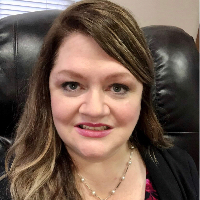
Georgia · 27 yrs exp
LPC counselor - Young adult issues and mood concerns
Stress, Anxiety · Trauma and abuse · Bipolar · Depression · +16 more
Read profile
Massachusetts · 20 yrs exp
LICSW - Stress and Life Transitions
Stress, Anxiety · Self esteem · Career · Depression · +11 more
Read profile
Texas · 18 yrs exp
Licensed Professional Counselor - Trauma and Addiction
Stress, Anxiety · Addictions · LGBT · Relationship · +14 more
Read profile
Florida · 18 yrs exp
Dr. Nicole Thweatt, LMHC - Young adult issues and relationships
Stress, Anxiety · Parenting · Anger · Self esteem · +13 more
Read profile
Nevada · 25 yrs exp
Licensed Marriage and Family Therapist - Relationships and Stress
Stress, Anxiety · Relationship · Family · Trauma and abuse · +1 more
Read profile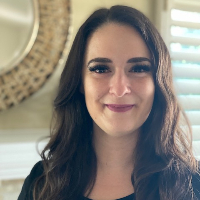
California · 6 yrs exp
LMFT - Anxiety and Young Adult Issues
Stress, Anxiety · Addictions · Relationship · Depression · +10 more
Read profile
Pennsylvania · 15 yrs exp
Licensed Professional Counselor - Young adult issues
Stress, Anxiety · Relationship · Self esteem · Depression · +14 more
Read profile
Montana · 23 yrs exp
LCPC - Young adult issues and family concerns
Stress, Anxiety · Family · Trauma and abuse · Parenting · +12 more
Read profile
Florida · 11 yrs exp
LMHC - Stress and Anxiety support
Stress, Anxiety · Relationship · Family · Grief · +7 more
Read profileIn your twenties you are often navigating big life transitions - leaving home, studying, exams, starting a first job, managing money, building relationships and shaping your identity. Family patterns from your upbringing can affect how you handle those changes. You might be sorting out boundaries, dealing with inherited expectations, processing estrangement, or noticing how early roles still shape your choices. A focus on family of origin does not mean your family is to blame. It means your history is part of the context that influences how you think, feel and behave as you negotiate independence and adult responsibilities.
As you review profiles, consider whether you want someone who emphasizes current coping skills, someone who explores generational patterns, or a blend of both. Many people in their twenties are also balancing comparison on social media and a sense of falling behind, and you can ask therapists about how they work with those pressures in relation to family dynamics. Remember that a therapist listing family of origin issues on their profile signals they include that topic among their focus areas, but it does not establish specific credentials or outcomes. If your low mood includes thoughts of self-harm, contact local emergency services or a crisis line right away.
Family history and current family relationships can connect to the everyday challenges you face in early adulthood without implying a simple cause-effect relationship. For example, difficulty asking for support at work may trace back to caretaking roles you held at home. Financial anxieties might interact with messages you received about money growing up. Relationship patterns you notice with romantic partners may echo communication styles you learned in your family. These links can be explored in therapy as patterns to understand and work with, not as a single explanation for everything you are experiencing.
On this directory, profiles bring together listings for young adult issues and family of origin concerns so you can see where therapists highlight both. That overlap is informational rather than forensic - it points to clinicians who report interest in working with those themes. When you consider a profile, look at the language therapists use to describe their work. Some will emphasize relational exploration and family systems, while others will foreground skills for emotional regulation and boundary-setting. Both approaches can be relevant; the right fit depends on your priorities and preferences.
When you contact a therapist or read their profile, having specific questions helps you compare clinicians more effectively. Ask whether they have experience working with people in their twenties and with the kinds of family dynamics you describe - for example, estrangement, blended families, cultural expectations or intergenerational conflict. Ask how they describe their therapeutic style: do they tend to take a more directive, skills-based approach, or do they focus on exploring relational history and meaning? You can ask about the kinds of approaches they list on their profile, phrased as options to discuss, such as cognitive-behavioral strategies, family systems work, psychodynamic perspectives or approaches like EMDR - noting that a therapist may list an approach among their tools rather than as an endorsement of training or certification.
It is appropriate to ask practical experience questions as well. Inquire about work with clients who share similar cultural, racial, or gendered experiences if that matters to you. You may want to know whether they have supported clients through transitions common to young adulthood - moving out, starting university or navigating first jobs. Remember that degrees such as PhD, PsyD, MD, MA or MSW describe academic training; degree alone does not establish current permission to practice. In different countries this permission comes from state licensure in the United States, registration or membership with professional bodies in the United Kingdom, and registration or professional association membership in Australia. You can ask whether a therapist is authorised to practice in your listed location and what credentials they hold, using that information to inform your decision-making.
If you are considering remote or online sessions, there are key topics to cover before you begin. Ask how the therapist manages privacy and data protection and what technology platform they use, so you can decide whether it fits your comfort level. Discuss an emergency plan - what to do if you are in crisis during or between sessions, and whether the clinician is able to work with people in your listed location, since professional permission to practice can be jurisdiction-specific. Clarify whether they work with individuals only or also with couples or family members, because a therapist listing family of origin as a focus does not automatically indicate they treat families or couples in therapy.
Talk about practical boundaries such as communication methods between sessions and expectations about response times, keeping in mind that those operational details vary by clinician. You may want to ask how they approach information-sharing boundaries, what steps they take to protect your privacy, and whether they maintain a record of sessions. These are reasonable lines of questioning to ensure you understand how care will be delivered and what supports will be in place if you experience a crisis. If your distress includes thoughts of self-harm or immediate danger, call local emergency services or reach out to available crisis lines for immediate help.
Profiles on this site typically list focus areas, approaches, languages spoken and a listed location. Use those fields to narrow down clinicians who appear to align with your needs. Focus areas tell you what themes a therapist highlights, such as family of origin issues, identity work, relationship concerns or transition-related stress. Approaches indicate the kinds of frameworks a therapist might draw on - you can treat names like cognitive-behavioral, psychodynamic, family systems or EMDR as topics to discuss rather than proof of specific training. Languages listed can be critical if you prefer to speak in a language other than English, so look for profiles that include the language options important to you.
Credentials on a profile can include degrees and professional registrations or licences. Distinguish between academic degrees and current regulatory permission to practise. In the US, ask whether a clinician holds state licensure that covers their listed location. In the UK and Australia, ask about professional registration or association membership relevant to practice in your area. Style matters too - some therapists describe themselves as warm and exploratory, others as structured and skills-focused. Think about whether you respond better to an approach that emphasizes practical tools, reflective exploration of family patterns, or a mixture of both, and use direct, concrete questions to clarify style when contacting a clinician.
Choosing who to contact is a personal process. Profiles give you starting information to help prioritize whom to learn more about. Reach out with clear, specific questions about your situation - for example, ask how they typically support someone working through family estrangement while entering the workforce, or how they handle boundary-setting with relatives while you are establishing independence. Comparing answers across profiles will help you find a clinician whose focus areas, approach, language skills and professional standing align with your needs and preferences. Remember that a profile listing family of origin issues indicates interest in the topic but does not guarantee a particular scope of practice or outcome. Take your time, ask the questions that matter to you, and if your situation includes immediate safety concerns seek emergency help right away.
Alabama
124 therapists
Alaska
4 therapists
Arizona
69 therapists
Arkansas
45 therapists
Australia
237 therapists
California
396 therapists
Colorado
109 therapists
Connecticut
35 therapists
Delaware
6 therapists
District of Columbia
18 therapists
Florida
591 therapists
Georgia
189 therapists
Hawaii
14 therapists
Idaho
40 therapists
Illinois
131 therapists
Indiana
64 therapists
Iowa
30 therapists
Kansas
46 therapists
Kentucky
62 therapists
Louisiana
132 therapists
Maine
9 therapists
Maryland
108 therapists
Massachusetts
87 therapists
Michigan
273 therapists
Minnesota
100 therapists
Mississippi
63 therapists
Missouri
156 therapists
Montana
23 therapists
Nebraska
40 therapists
Nevada
24 therapists
New Hampshire
12 therapists
New Jersey
108 therapists
New Mexico
13 therapists
New York
200 therapists
North Carolina
209 therapists
North Dakota
3 therapists
Ohio
191 therapists
Oklahoma
115 therapists
Oregon
25 therapists
Pennsylvania
198 therapists
Rhode Island
13 therapists
South Carolina
156 therapists
South Dakota
18 therapists
Tennessee
87 therapists
Texas
728 therapists
United Kingdom
1773 therapists
Utah
30 therapists
Vermont
13 therapists
Virginia
77 therapists
Washington
77 therapists
West Virginia
29 therapists
Wisconsin
76 therapists
Wyoming
17 therapists