
Ruth Vanden Bosch
LPCMichigan · 25 yrs exp
Licensed Professional Counselor - Young adult concerns
Stress, Anxiety · LGBT · Relationship · Grief · +10 more
Read profileTherapist listings are provided by BetterHelp. We will earn a commission at no additional cost to you if you use our links to purchase.
If you are navigating low mood, mood swings, or a formal diagnosis while juggling study, work and relationships, this page helps you compare profiles of therapists who list Mood Disorders with young adult focus.
Use the filters to review listed location, approaches, languages, credentials and areas of experience, then browse profiles to find practitioners to contact and discuss your needs.
Michigan · 25 yrs exp
Licensed Professional Counselor - Young adult concerns
Stress, Anxiety · LGBT · Relationship · Grief · +10 more
Read profile
Alabama · 22 yrs exp
LPC in Alabama - Young adult and life transitions
Stress, Anxiety · Trauma and abuse · Anger · Self esteem · +16 more
Read profile
South Carolina · 16 yrs exp
LMFT - Young adult issues and relationships
Stress, Anxiety · Relationship · Family · Parenting · +14 more
Read profile
Florida · 20 yrs exp
Dr. Daniella Jackson - LMHC, Addiction and Life Transitions
Stress, Anxiety · Addictions · Relationship · Self esteem · +16 more
Read profile
North Carolina · 16 yrs exp
Dr. Christina Collins, LCMHC - Stress and Relationship concerns
Stress, Anxiety · Relationship · Trauma and abuse · Grief · +7 more
Read profile
Kansas · 12 yrs exp
Licensed Clinical Marriage and Family Therapist - Young adult issues
Stress, Anxiety · Relationship · Intimacy-related issues · Depression · +13 more
Read profile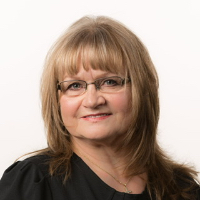
Texas · 15 yrs exp
Licensed counselor - Young adult concerns
Addictions · Relationship · Trauma and abuse · Grief · +13 more
Read profile
Florida · 7 yrs exp
LMHC - Young adult issues and addictions
Addictions · Relationship · Family · Trauma and abuse · +13 more
Read profile
Ohio · 3 yrs exp
Ohio LPCC - Young adult issues and addictions
Addictions · Family · Anger · Depression · +6 more
Read profile
Michigan · 5 yrs exp
Licensed Professional Counselor - Young adult issues
Stress, Anxiety · Relationship · Family · Self esteem · +12 more
Read profile
Pennsylvania · 12 yrs exp
Licensed counselor - Young adult concerns
Stress, Anxiety · Relationship · Self esteem · Depression · +11 more
Read profile
Florida · 26 yrs exp
LMHC in Florida - Young adult and relationship issues
Relationship · Grief · Self esteem · Depression · +13 more
Read profile
Florida · 12 yrs exp
LMHC - Young adult issues and relationships
Stress, Anxiety · Relationship · Intimacy-related issues · Depression · +8 more
Read profile
New York · 11 yrs exp
LMHC - Young adult issues and life transitions
Stress, Anxiety · Grief · Self esteem · Relationship · +8 more
Read profile
Missouri · 7 yrs exp
Licensed Professional Counselor - Anxiety and Addictions
Stress, Anxiety · Addictions · Relationship · Self esteem · +13 more
Read profile
Florida · 17 yrs exp
Florida LMHC - Young adult issues and relationships
Stress, Anxiety · Addictions · Relationship · Family · +14 more
Read profile
Texas · 10 yrs exp
LPC in Texas - Young adult stress and relationships
Stress, Anxiety · Relationship · Family · Depression · +14 more
Read profile
Texas · 11 yrs exp
LPC in Texas - relationships and anxiety
Stress, Anxiety · Relationship · Family · Parenting · +9 more
Read profile
Texas · 12 yrs exp
Licensed Professional Counselor - Young adult issues and mood concerns
Stress, Anxiety · Self esteem · Career · Depression · +9 more
Read profile
Illinois · 10 yrs exp
Illinois LCPC - Young adult issues and relationships
Stress, Anxiety · LGBT · Relationship · Trauma and abuse · +10 more
Read profile
Florida · 14 yrs exp
Licensed Mental Health Counselor - Relationships and Mood
Stress, Anxiety · Trauma and abuse · Bipolar · Depression · +16 more
Read profile
Washington · 12 yrs exp
LMHC - Young adult issues and relationships
Stress, Anxiety · Relationship · Family · Self esteem · +15 more
Read profile
Minnesota · 23 yrs exp
LMFT - Young adult issues and relationships
Stress, Anxiety · Relationship · Trauma and abuse · Self esteem · +13 more
Read profile
Louisiana · 22 yrs exp
LMFT and LPC - Stress and Young Adult Issues
Stress, Anxiety · Relationship · Family · Grief · +11 more
Read profile
South Carolina · 36 yrs exp
LISW-CP - Anxiety and Addictions
Stress, Anxiety · Addictions · Family · Trauma and abuse · +3 more
Read profile
Michigan · 35 yrs exp
LMSW - Stress and relationship issues
Stress, Anxiety · Addictions · Trauma and abuse · Self esteem · +3 more
Read profile
Colorado · 11 yrs exp
LPC counselor - Young adult issues, life transitions
Stress, Anxiety · LGBT · Trauma and abuse · Anger · +15 more
Read profile
Michigan · 21 yrs exp
LMSW - Anxiety and relationship concerns
Stress, Anxiety · Relationship · Family · Bipolar · +14 more
Read profile
Texas · 22 yrs exp
Licensed Professional Counselor - Young adult issues and relationships
Stress, Anxiety · Relationship · Trauma and abuse · Depression · +16 more
Read profile
South Dakota · 12 yrs exp
Licensed counselor - young adult concerns
Stress, Anxiety · Relationship · Family · Trauma and abuse · +13 more
Read profile
Wisconsin · 11 yrs exp
LPC in Wisconsin - young adult issues and life transitions
Stress, Anxiety · Family · Trauma and abuse · Depression · +12 more
Read profile
Texas · 20 yrs exp
Licensed Professional Counselor - stress and anxiety
Stress, Anxiety · Trauma and abuse · Self esteem · Depression · +12 more
Read profile
Florida · 10 yrs exp
LMHC - Stress and Young Adult Issues
Stress, Anxiety · Family · Parenting · Self esteem · +10 more
Read profile
Florida · 20 yrs exp
LMHC - Stress and Relationship Concerns
Stress, Anxiety · Relationship · Family · Self esteem · +9 more
Read profile
Texas · 23 yrs exp
Licensed Professional Counselor - Relationships and Young adult issues
Stress, Anxiety · Relationship · Self esteem · Career · +11 more
Read profile
Texas · 10 yrs exp
Licensed Marriage and Family Therapist - Young adult issues
Stress, Anxiety · Relationship · Family · Parenting · +5 more
Read profile
Pennsylvania · 6 yrs exp
Licensed Professional Counselor - Young adult issues
Stress, Anxiety · LGBT · Relationship · Self esteem · +15 more
Read profile
Arizona · 22 yrs exp
Licensed Professional Counselor - Young adult issues and life changes
Stress, Anxiety · Relationship · Family · Grief · +16 more
Read profile
Utah · 6 yrs exp
LCMHC - Anxiety and Trauma
Stress, Anxiety · Trauma and abuse · Self esteem · Depression · +8 more
Read profile
Ohio · 20 yrs exp
LISW - Young adult stress and relationships
Stress, Anxiety · LGBT · Family · Grief · +16 more
Read profile
Virginia · 13 yrs exp
Licensed Professional Counselor - Stress and Anxiety
Stress, Anxiety · Anger · Self esteem · Depression · +9 more
Read profile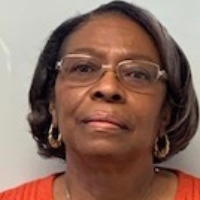
Alabama · 20 yrs exp
Licensed Professional Counselor - Young adult issues
Stress, Anxiety · Relationship · Grief · Depression · +9 more
Read profile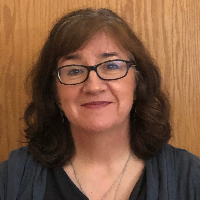
Wisconsin · 17 yrs exp
Licensed Professional Counselor - Young adult concerns
Stress, Anxiety · Relationship · Trauma and abuse · Self esteem · +11 more
Read profile
South Carolina · 20 yrs exp
LISW - Stress and relationship concerns
Stress, Anxiety · Relationship · Eating · Self esteem · +10 more
Read profile
Florida · 13 yrs exp
LMHC - Young adult life and relationships
Stress, Anxiety · Relationship · Intimacy-related issues · Depression · +15 more
Read profile
Colorado · 19 yrs exp
LPC - Young adult stress and relationships
Stress, Anxiety · Addictions · Self esteem · Depression · +14 more
Read profile
Louisiana · 14 yrs exp
LPC in Louisiana - Young adult issues and relationships
Stress, Anxiety · Parenting · Anger · Self esteem · +1 more
Read profile
Ohio · 17 yrs exp
LISW - Young adult concerns and life change
Stress, Anxiety · Family · Parenting · Depression · +12 more
Read profile
Illinois · 38 yrs exp
LCPC - Young adult issues and life changes
Stress, Anxiety · Self esteem · Depression · Coping with life changes · +9 more
Read profile
Florida · 32 yrs exp
LMHC - Stress and Relationship concerns
Stress, Anxiety · Relationship · Trauma and abuse · Bipolar · +8 more
Read profile
New York · 13 yrs exp
LMHC - Young adult issues and mood concerns
Stress, Anxiety · Self esteem · Depression · Coping with life changes · +8 more
Read profile
Georgia · 7 yrs exp
Licensed Marriage and Family Therapist - Young adult issues
Stress, Anxiety · Relationship · Intimacy-related issues · Anger · +11 more
Read profile
Kansas · 17 yrs exp
Licensed Clinical Professional Counselor - Young adult issues
Stress, Anxiety · Relationship · Family · Anger · +10 more
Read profile
Louisiana · 15 yrs exp
Licensed counselor - Young adult issues
Stress, Anxiety · Trauma and abuse · Grief · Self esteem · +1 more
Read profile
California · 5 yrs exp
Licensed MFT - Relationships and Young Adult Concerns
Relationship · Grief · Parenting · Self esteem · +11 more
Read profile
Florida · 11 yrs exp
LMHC - Stress and Relationship support
Stress, Anxiety · Relationship · Parenting · Self esteem · +11 more
Read profile
Iowa · 9 yrs exp
Licensed Independent Social Worker - Young adult issues
Stress, Anxiety · Relationship · Family · Trauma and abuse · +8 more
Read profile
Colorado · 13 yrs exp
LMFT - Young adult issues and relationships
Stress, Anxiety · LGBT · Relationship · Trauma and abuse · +10 more
Read profile
Minnesota · 7 yrs exp
Licensed Professional Clinical Counselor - Stress and Trauma
Stress, Anxiety · LGBT · Trauma and abuse · Self esteem · +9 more
Read profile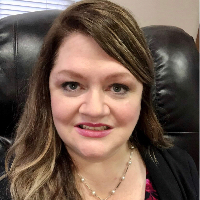
Georgia · 27 yrs exp
LPC counselor - Young adult issues and mood concerns
Stress, Anxiety · Trauma and abuse · Bipolar · Depression · +16 more
Read profileWhen you are in your late teens or twenties, changes in routine, identity and responsibility can make mood struggles feel especially intense. Mood disorders can include extended low mood, marked changes in energy, or cycling moods that interfere with study, work, friendships and intimate relationships. You may be trying to leave home, start a degree, begin a first job, manage money or navigate relationships while also dealing with low mood or mood instability. That combination can make it harder to keep up with everyday demands and can increase feelings of isolation or failure compared with others.
Locating a therapist who lists Mood Disorders alongside young adult concerns means you can look for someone who describes experience with the life stage issues that matter to you. Profiles on this site list a listed location and background information that you can compare. Keep in mind that a profile entry does not guarantee a particular outcome or specific clinical qualification beyond what the profile states. If your mood includes thoughts of self-harm or you feel you are at immediate risk, contact emergency services or a crisis line in your country right away.
Your life transitions can influence how mood changes show up. Moving out, starting university or taking a first job often means new schedules, disrupted sleep, new social contexts and financial pressures. You may experience impostor feelings at work, anxiety about exams or worry about falling behind peers on social media. The day-to-day triggers for low mood can be practical - like irregular sleep and money worries - as well as existential - like rethinking identity and long-term goals.
When you read profiles, look for language about the therapist's experience with common young adult stressors rather than assuming the same term means the same experience for everyone. Some practitioners will highlight work with students, new professionals or people adjusting to life after school; others will describe a broader focus that includes transitions. Comparing those details can help you choose someone who names the problems you are facing in ways that feel relevant to your situation.
When you consider profiles, prepare specific questions you can ask directly. A clear place to start is to ask which mood presentations the practitioner commonly works with - for example persistent low mood, recurrent depression, or mood instability - and how they describe their approach to those issues. You can ask whether they list CBT among their approaches, or whether they describe longer-term psychodynamic work, acceptance-based approaches, or whether they specify other techniques. If trauma is part of your history you might ask about therapists who list EMDR among their approaches and what that means in their practice. Remember that a profile listing an approach is not the same as a verification of a particular certification; it simply says the therapist includes that approach in their practice.
Another practical comparison is professional background. Degrees such as PhD, PsyD, MD, MA or MSW tell you about academic training, while licensing terms vary by country. In the United States many clinicians hold state licenses with titles such as Licensed Clinical Social Worker, Licensed Professional Counselor, Licensed Marriage and Family Therapist, or they may be licensed psychologists. In the United Kingdom and Australia practitioners are often registered or members of national professional bodies rather than described under a single national licensing system. A degree alone does not establish current permission to practise, so ask about the clinician's registration or licensing status that applies in their listed location if that matters to you.
If you are planning to work with someone remotely, it helps to have a short checklist of practical items to raise before the first session. Ask about the therapist's communication style - whether they tend to work in a directive way that sets concrete goals and activities or in a reflective way that focuses on meaning and personal history. Discuss how they handle times when you might be feeling very low between sessions, and whether they have a plan for urgent contact or can point you to local crisis resources. Confirm the time zone and the listed location to avoid scheduling mix-ups.
Also talk about what you will bring to sessions so you can get started efficiently. This might include a brief history of mood episodes, any medication you are taking, prior therapy experiences, and what you hope to get from the work. If you will be attending from a shared living situation, plan for a private space where you can speak without interruptions. It is reasonable to ask how the therapist structures sessions, whether they offer written reflections between meetings, and how they typically set and review therapeutic goals with clients. These conversations frame expectations without promising a particular result.
Comparing profiles is a practical exercise in matching what you need with what a therapist describes. Read descriptions for mentions of young adult issues such as study stress, early career transitions, or relationship changes alongside Mood Disorders. Note which therapists list comorbid concerns you recognize, since mood difficulties often occur with anxiety, trauma history or substance-related problems. Look for stated languages if you prefer to speak in a language other than English and consider the listed location and time zone when you think about scheduling.
Think about style as much as technical approach. Some profiles convey a warm coaching tone that emphasises goals and homework, while others describe a reflective, exploratory style that focuses on long-term meaning. Use concrete comparison questions such as - Do they mention work with people in their twenties? Do they list specific mood presentations you relate to? Which degrees do they hold and what licensing or registration applies in their listed location? Which approaches do they list among their tools, and how do they describe measuring progress? These concrete details help you choose profiles to contact and discuss further.
Navigating mood difficulties in early adulthood is rarely straightforward, but taking time to compare profiles can help you find a clinician whose experience, communication style and practical details align with your current needs. Use the listed information here to guide your conversations and to prepare questions for an initial contact so you can decide whether to take the next step together.
Alabama
124 therapists
Alaska
4 therapists
Arizona
69 therapists
Arkansas
45 therapists
Australia
237 therapists
California
396 therapists
Colorado
109 therapists
Connecticut
35 therapists
Delaware
6 therapists
District of Columbia
18 therapists
Florida
591 therapists
Georgia
189 therapists
Hawaii
14 therapists
Idaho
40 therapists
Illinois
131 therapists
Indiana
64 therapists
Iowa
30 therapists
Kansas
46 therapists
Kentucky
62 therapists
Louisiana
132 therapists
Maine
9 therapists
Maryland
108 therapists
Massachusetts
87 therapists
Michigan
273 therapists
Minnesota
100 therapists
Mississippi
63 therapists
Missouri
156 therapists
Montana
23 therapists
Nebraska
40 therapists
Nevada
24 therapists
New Hampshire
12 therapists
New Jersey
108 therapists
New Mexico
13 therapists
New York
200 therapists
North Carolina
209 therapists
North Dakota
3 therapists
Ohio
191 therapists
Oklahoma
115 therapists
Oregon
25 therapists
Pennsylvania
198 therapists
Rhode Island
13 therapists
South Carolina
156 therapists
South Dakota
18 therapists
Tennessee
87 therapists
Texas
728 therapists
United Kingdom
1773 therapists
Utah
30 therapists
Vermont
13 therapists
Virginia
77 therapists
Washington
77 therapists
West Virginia
29 therapists
Wisconsin
76 therapists
Wyoming
17 therapists