
Brooke Bowen
LPCAlabama · 22 yrs exp
LPC in Alabama - Young adult and life transitions
Stress, Anxiety · Trauma and abuse · Anger · Self esteem · +16 more
Read profileTherapist listings are provided by BetterHelp. We will earn a commission at no additional cost to you if you use our links to purchase.
You can compare profiles of professionals who list OCD among their focus areas alongside experience with young adulthood. Use listed location, approaches, credentials and languages to narrow options, then browse the profiles below to learn more.
Alabama · 22 yrs exp
LPC in Alabama - Young adult and life transitions
Stress, Anxiety · Trauma and abuse · Anger · Self esteem · +16 more
Read profile
Florida · 20 yrs exp
Dr. Daniella Jackson - LMHC, Addiction and Life Transitions
Stress, Anxiety · Addictions · Relationship · Self esteem · +16 more
Read profile
Kentucky · 18 yrs exp
Licensed marriage and family therapist - relationships and identity
LGBT · Relationship · Family · Self esteem · +14 more
Read profile
Florida · 7 yrs exp
LMHC - Young adult issues and addictions
Addictions · Relationship · Family · Trauma and abuse · +13 more
Read profile
Michigan · 5 yrs exp
Licensed Professional Counselor - Young adult issues
Stress, Anxiety · Relationship · Family · Self esteem · +12 more
Read profile
Pennsylvania · 12 yrs exp
Licensed counselor - Young adult concerns
Stress, Anxiety · Relationship · Self esteem · Depression · +11 more
Read profile
Florida · 26 yrs exp
LMHC in Florida - Young adult and relationship issues
Relationship · Grief · Self esteem · Depression · +13 more
Read profile
Texas · 17 yrs exp
Licensed Professional Counselor - Young adult issues
Stress, Anxiety · Family · Depression · Coping with life changes · +12 more
Read profile
Florida · 12 yrs exp
LMHC - Young adult issues and relationships
Stress, Anxiety · Relationship · Intimacy-related issues · Depression · +8 more
Read profile
Missouri · 7 yrs exp
Licensed Professional Counselor - Anxiety and Addictions
Stress, Anxiety · Addictions · Relationship · Self esteem · +13 more
Read profile
Florida · 17 yrs exp
Florida LMHC - Young adult issues and relationships
Stress, Anxiety · Addictions · Relationship · Family · +14 more
Read profile
Louisiana · 10 yrs exp
Licensed counselor - Young adult issues
Stress, Anxiety · Relationship · Family · Depression · +12 more
Read profile
Texas · 10 yrs exp
LPC in Texas - Young adult stress and relationships
Stress, Anxiety · Relationship · Family · Depression · +14 more
Read profile
Texas · 11 yrs exp
LPC in Texas - relationships and anxiety
Stress, Anxiety · Relationship · Family · Parenting · +9 more
Read profile
Illinois · 10 yrs exp
Illinois LCPC - Young adult issues and relationships
Stress, Anxiety · LGBT · Relationship · Trauma and abuse · +10 more
Read profile
Florida · 14 yrs exp
Licensed Mental Health Counselor - Relationships and Mood
Stress, Anxiety · Trauma and abuse · Bipolar · Depression · +16 more
Read profile
Texas · 13 yrs exp
Licensed counselor and marriage therapist - young adult concerns
Stress, Anxiety · LGBT · Relationship · Trauma and abuse · +12 more
Read profile
Minnesota · 23 yrs exp
LMFT - Young adult issues and relationships
Stress, Anxiety · Relationship · Trauma and abuse · Self esteem · +13 more
Read profile
Louisiana · 22 yrs exp
LMFT and LPC - Stress and Young Adult Issues
Stress, Anxiety · Relationship · Family · Grief · +11 more
Read profile
Colorado · 11 yrs exp
LPC counselor - Young adult issues, life transitions
Stress, Anxiety · LGBT · Trauma and abuse · Anger · +15 more
Read profile
Michigan · 21 yrs exp
LMSW - Anxiety and relationship concerns
Stress, Anxiety · Relationship · Family · Bipolar · +14 more
Read profile
Texas · 22 yrs exp
Licensed Professional Counselor - Young adult issues and relationships
Stress, Anxiety · Relationship · Trauma and abuse · Depression · +16 more
Read profile
Wisconsin · 11 yrs exp
LPC in Wisconsin - young adult issues and life transitions
Stress, Anxiety · Family · Trauma and abuse · Depression · +12 more
Read profile
Texas · 20 yrs exp
Licensed Professional Counselor - stress and anxiety
Stress, Anxiety · Trauma and abuse · Self esteem · Depression · +12 more
Read profile
Arizona · 22 yrs exp
Licensed Professional Counselor - Young adult issues and life changes
Stress, Anxiety · Relationship · Family · Grief · +16 more
Read profile
Ohio · 20 yrs exp
LISW - Young adult stress and relationships
Stress, Anxiety · LGBT · Family · Grief · +16 more
Read profile
Florida · 13 yrs exp
LMHC - Young adult life and relationships
Stress, Anxiety · Relationship · Intimacy-related issues · Depression · +15 more
Read profile
Colorado · 19 yrs exp
LPC - Young adult stress and relationships
Stress, Anxiety · Addictions · Self esteem · Depression · +14 more
Read profile
Ohio · 17 yrs exp
LISW - Young adult concerns and life change
Stress, Anxiety · Family · Parenting · Depression · +12 more
Read profile
Michigan · 31 yrs exp
LMSW - Young adult issues and relationships
Stress, Anxiety · Family · Trauma and abuse · Self esteem · +16 more
Read profile
Florida · 32 yrs exp
LMHC - Stress and Relationship concerns
Stress, Anxiety · Relationship · Trauma and abuse · Bipolar · +8 more
Read profile
Kansas · 17 yrs exp
Licensed Clinical Professional Counselor - Young adult issues
Stress, Anxiety · Relationship · Family · Anger · +10 more
Read profile
California · 5 yrs exp
Licensed MFT - Relationships and Young Adult Concerns
Relationship · Grief · Parenting · Self esteem · +11 more
Read profile
Tennessee · 35 yrs exp
Licensed LMFT - Addictions and Relationships
Addictions · Relationship · Family · Trauma and abuse · +1 more
Read profile
Minnesota · 7 yrs exp
Licensed Professional Clinical Counselor - Stress and Trauma
Stress, Anxiety · LGBT · Trauma and abuse · Self esteem · +9 more
Read profile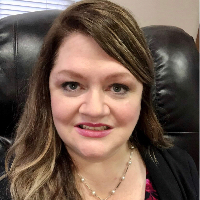
Georgia · 27 yrs exp
LPC counselor - Young adult issues and mood concerns
Stress, Anxiety · Trauma and abuse · Bipolar · Depression · +16 more
Read profile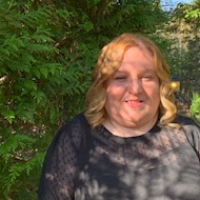
North Carolina · 20 yrs exp
LCMHC and LPC - stress and addiction
Stress, Anxiety · Addictions · LGBT · Relationship · +1 more
Read profile
Texas · 18 yrs exp
Licensed Professional Counselor - Trauma and Addiction
Stress, Anxiety · Addictions · LGBT · Relationship · +14 more
Read profile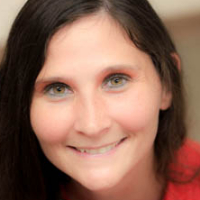
Florida · 18 yrs exp
Dr. Nicole Thweatt, LMHC - Young adult issues and relationships
Stress, Anxiety · Parenting · Anger · Self esteem · +13 more
Read profile
Illinois · 5 yrs exp
Illinois psychologist - stress and relationships
Stress, Anxiety · Relationship · Trauma and abuse · Depression · +12 more
Read profile
Pennsylvania · 15 yrs exp
Licensed Professional Counselor - Young adult issues
Stress, Anxiety · Relationship · Self esteem · Depression · +14 more
Read profile
Montana · 23 yrs exp
LCPC - Young adult issues and family concerns
Stress, Anxiety · Family · Trauma and abuse · Parenting · +12 more
Read profile
Texas · 19 yrs exp
Licensed Professional Counselor - Young adult concerns
Stress, Anxiety · Relationship · Family · Trauma and abuse · +12 more
Read profile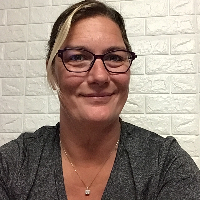
Indiana · 11 yrs exp
LMHC - Young adult issues and anxiety
Stress, Anxiety · Addictions · Trauma and abuse · Parenting · +14 more
Read profile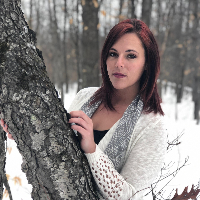
Michigan · 8 yrs exp
LMSW - Young adult and mood concerns
Stress, Anxiety · Self esteem · Career · Depression · +16 more
Read profile
Texas · 8 yrs exp
Licensed counselor - Young adult issues and mood concerns
Stress, Anxiety · Addictions · Trauma and abuse · Self esteem · +11 more
Read profile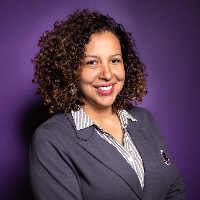
Texas · 15 yrs exp
Licensed Professional Counselor - Young adult concerns
Stress, Anxiety · Grief · Self esteem · Depression · +13 more
Read profile
Missouri · 20 yrs exp
LPC - Anxiety and Relationship Concerns
Stress, Anxiety · Relationship · Family · Trauma and abuse · +4 more
Read profile
Texas · 15 yrs exp
Licensed Professional Counselor - Young adult and family issues
Stress, Anxiety · Family · Parenting · Depression · +9 more
Read profile
Texas · 13 yrs exp
Licensed Professional Counselor - Relationships and ADHD
Stress, Anxiety · Relationship · Family · Parenting · +14 more
Read profile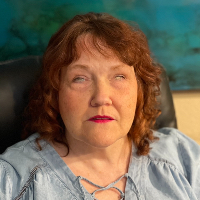
Texas · 16 yrs exp
Licensed Professional Counselor - Young adult issues
Stress, Anxiety · Family · Parenting · Bipolar · +11 more
Read profile
Oklahoma · 9 yrs exp
Licensed Professional Counselor - young adult issues
Stress, Anxiety · Anger · Self esteem · Coping with life changes · +16 more
Read profile
Mississippi · 15 yrs exp
Licensed Professional Counselor - Young adult concerns
Stress, Anxiety · Addictions · Relationship · Family · +5 more
Read profile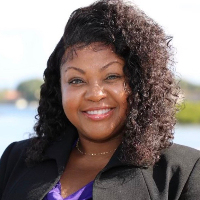
Florida · 9 yrs exp
Licensed Mental Health Counselor - Young adult issues
Stress, Anxiety · Family · Parenting · Anger · +11 more
Read profile
New Jersey · 20 yrs exp
LMFT - Relationships and Young Adult Issues
Stress, Anxiety · Relationship · Trauma and abuse · Self esteem · +14 more
Read profile
Iowa · 25 yrs exp
LISW - Young adult issues and trauma
Stress, Anxiety · Relationship · Trauma and abuse · Self esteem · +12 more
Read profile
Texas · 12 yrs exp
Licensed Professional Counselor - Young adult issues and relationships
Stress, Anxiety · Addictions · Relationship · Trauma and abuse · +14 more
Read profile
Colorado · 15 yrs exp
Licensed Professional Counselor - Young adult issues
Stress, Anxiety · Addictions · Trauma and abuse · Anger · +6 more
Read profile
California · 14 yrs exp
LPCC counselor - family and life changes
Family · Trauma and abuse · Self esteem · Coping with life changes · +1 more
Read profile
Virginia · 7 yrs exp
Licensed counselor - Young adult concerns
Stress, Anxiety · Addictions · LGBT · Relationship · +5 more
Read profileYoung adulthood is a period of major transitions - leaving home, starting higher education or a first job, forming new relationships and managing money. For many people in their late teens and twenties, repetitive thoughts, urges or rituals can make those transitions feel heavier and more confusing. You may notice time lost to checking or reassurance-seeking around studies, work deadlines, social situations or household routines. Intrusive thoughts may intensify at night or before exams and interviews, and compulsive behaviors can interfere with sleep, concentration and your social life. When this happens it can feel as if you are falling behind peers on social media or struggling to keep up with expectations, which adds stress and drains energy.
Recognizing how these patterns interact with the specific pressures of young adulthood is important when you are looking for a professional to talk with. The profiles on this page group clinicians who list OCD and also note young adult issues among their areas of focus. That does not mean every profile includes the same services or approaches, but it does mean you can look specifically for practitioners who acknowledge both the condition and the life stage you are navigating.
OCD and the challenges of early adulthood often appear together, but one is not always the cause of the other. You might find that the symptoms you experience interact with life changes - for example, a new living situation can introduce triggers you did not face before, or academic pressure can amplify compulsive checking. At the same time, the social comparisons common in this era can increase distress and make symptoms feel more isolating. When you review profiles, keep in mind that a therapist who lists both OCD and young adult issues is indicating experience or interest in working with that combination, not a medical opinion about why your symptoms began.
This page is meant to help you compare profiles that reflect those overlapping concerns. You can look at listed location to decide whether in-person work might be an option where you live, or to find clinicians in your time zone for remote sessions. Profiles may also note approaches, language skills and demographic experience that help you match with someone who understands the context of late adolescence to early thirties transitions. Always raise questions with a clinician about how they understand the relationship between symptoms and life circumstances before you decide to proceed.
When you reach out to a clinician, asking specific questions helps you learn whether their style and experience align with what you need. You might begin by asking how they describe their work with people who have obsessive thoughts or compulsive behaviors, and whether they have experience addressing the practical impacts of those patterns on study, work or relationships. It is reasonable to ask which approaches they list among their methods and to request a plain-language explanation of how those approaches might look in sessions. For example, you could ask if they list cognitive-behavioral approaches, exposure and response prevention, or mindfulness-informed methods among their approaches and ask what a typical session focused on OCD might involve, without assuming any one clinician uses the same tools.
Another important line of questioning relates to populations and scope. Ask whether they work primarily with adults and whether their listed focus on young adult issues reflects experience with students, new professionals or people navigating housing changes. Clarify whether they treat co-occurring difficulties such as anxiety, low mood, or relationship stress, and if thoughts of harming yourself are part of what you are experiencing, mention that and ask how they handle risk and crisis. If you are in the United States, look for state credentials such as LCSW, LMFT or LPC and ask about licensure. In the United Kingdom, check whether practitioners mention registration with bodies like the HCPC or membership in organizations such as BACP or UKCP. In Australia, look for registration with AHPRA or membership of associations such as the Australian Psychological Society or PACFA. Remember that academic degrees like PhD, PsyD, MD, MA or MSW indicate training but do not by themselves establish current permission to practise, so ask clinicians to describe their current professional registration or licensure as appropriate for their country.
Before you begin working with someone, it helps to discuss logistical and practical matters so you can make an informed choice. If you are considering remote sessions, ask how they manage session tech and what alternatives exist if a connection fails. For in-person meetings, ask about the listed location and whether sessions are held in a calm, personal environment. Discuss how they handle late cancellations or missed sessions, and clarify how they approach record-keeping and privacy practices so you understand how your information is handled. If you have specific needs around language, culture or identity, mention these early and ask whether the clinician has experience working with people who share or understand those aspects of your life.
Safety planning is an essential conversation to have if your symptoms include thinking about harming yourself. You should be able to ask directly how a clinician addresses crisis situations and what steps they recommend if you experience worsening distress between meetings. If you are in immediate danger or think you might act on thoughts of self-harm, contact emergency services or your local crisis line right away. You can also ask any clinician you contact how they would involve emergency services if needed and whether they will work with local supports such as campus services or primary care providers when appropriate.
When comparing profiles on this directory, focus on concrete details that matter to you. Look at the way a clinician describes the problems they work with - do they mention OCD explicitly or do they list anxiety or intrusive thoughts more broadly? Compare stated experience with young adult challenges such as exam stress, job transitions and relationship changes. Language skills are another practical filter - if English is not your preferred language, search profiles that list other languages you speak and ask about the clinician's comfort level in clinical conversations in that language.
Credentials and professional standing matter differently across countries, so interpret them in context. A PhD or PsyD indicates advanced academic training, while titles like LCSW, LMFT or LPC in the United States indicate state licensure. In the United Kingdom, registration with relevant national regulators or membership in professional associations indicates a recognized pathway to practice, and in Australia registration with national boards or membership of professional bodies serves a similar purpose. Ask clinicians to describe their current registration or licensure status rather than assuming what a degree implies. Style and therapeutic fit are harder to read from a profile but are often hinted at by how therapists describe their work - some may emphasize a collaborative, problem-solving approach while others highlight reflective exploration of meaning and identity. When you find profiles that seem promising, reach out with a few of the concrete questions you prepared about approach, experience with young adult issues, language and how they would handle crisis planning. That initial contact often reveals whether a clinician's style aligns with what you find most helpful.
Finding a clinician who lists OCD alongside young adulthood on their profile gives you a starting point to explore practitioners who understand the specific pressures you face. Use the details in each profile to guide an informed conversation, and be upfront about your needs and goals. If your symptoms include thoughts of harming yourself, prioritise immediate safety and contact emergency services or a crisis line in your area. Comparing profiles by focus areas, approaches, credentials and languages can help you identify professionals to speak with, and the questions suggested here can make those first conversations clearer and more useful as you decide what comes next for your care.
Alabama
124 therapists
Alaska
4 therapists
Arizona
69 therapists
Arkansas
45 therapists
Australia
237 therapists
California
396 therapists
Colorado
109 therapists
Connecticut
35 therapists
Delaware
6 therapists
District of Columbia
18 therapists
Florida
591 therapists
Georgia
189 therapists
Hawaii
14 therapists
Idaho
40 therapists
Illinois
131 therapists
Indiana
64 therapists
Iowa
30 therapists
Kansas
46 therapists
Kentucky
62 therapists
Louisiana
132 therapists
Maine
9 therapists
Maryland
108 therapists
Massachusetts
87 therapists
Michigan
273 therapists
Minnesota
100 therapists
Mississippi
63 therapists
Missouri
156 therapists
Montana
23 therapists
Nebraska
40 therapists
Nevada
24 therapists
New Hampshire
12 therapists
New Jersey
108 therapists
New Mexico
13 therapists
New York
200 therapists
North Carolina
209 therapists
North Dakota
3 therapists
Ohio
191 therapists
Oklahoma
115 therapists
Oregon
25 therapists
Pennsylvania
198 therapists
Rhode Island
13 therapists
South Carolina
156 therapists
South Dakota
18 therapists
Tennessee
87 therapists
Texas
728 therapists
United Kingdom
1773 therapists
Utah
30 therapists
Vermont
13 therapists
Virginia
77 therapists
Washington
77 therapists
West Virginia
29 therapists
Wisconsin
76 therapists
Wyoming
17 therapists