
Brooke Bowen
LPCAlabama · 22 yrs exp
LPC in Alabama - Young adult and life transitions
Stress, Anxiety · Trauma and abuse · Anger · Self esteem · +16 more
Read profileTherapist listings are provided by BetterHelp. We will earn a commission at no additional cost to you if you use our links to purchase.
This page groups profiles of clinicians who list Money and Financial Issues along with young adult concerns. Use the profile grid to compare focus areas, therapeutic approaches, languages and listed location, then browse individual profiles to learn more.
Alabama · 22 yrs exp
LPC in Alabama - Young adult and life transitions
Stress, Anxiety · Trauma and abuse · Anger · Self esteem · +16 more
Read profile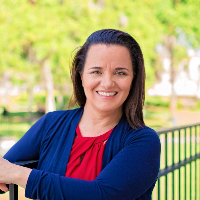
Florida · 20 yrs exp
Dr. Daniella Jackson - LMHC, Addiction and Life Transitions
Stress, Anxiety · Addictions · Relationship · Self esteem · +16 more
Read profile
North Carolina · 16 yrs exp
Dr. Christina Collins, LCMHC - Stress and Relationship concerns
Stress, Anxiety · Relationship · Trauma and abuse · Grief · +7 more
Read profile
Kentucky · 18 yrs exp
Licensed marriage and family therapist - relationships and identity
LGBT · Relationship · Family · Self esteem · +14 more
Read profile
Florida · 7 yrs exp
LMHC - Young adult issues and addictions
Addictions · Relationship · Family · Trauma and abuse · +13 more
Read profile
Michigan · 5 yrs exp
Licensed Professional Counselor - Young adult issues
Stress, Anxiety · Relationship · Family · Self esteem · +12 more
Read profile
Pennsylvania · 12 yrs exp
Licensed counselor - Young adult concerns
Stress, Anxiety · Relationship · Self esteem · Depression · +11 more
Read profile
Florida · 26 yrs exp
LMHC in Florida - Young adult and relationship issues
Relationship · Grief · Self esteem · Depression · +13 more
Read profile
Florida · 12 yrs exp
LMHC - Young adult issues and relationships
Stress, Anxiety · Relationship · Intimacy-related issues · Depression · +8 more
Read profile
Florida · 17 yrs exp
Florida LMHC - Young adult issues and relationships
Stress, Anxiety · Addictions · Relationship · Family · +14 more
Read profile
Texas · 10 yrs exp
LPC in Texas - Young adult stress and relationships
Stress, Anxiety · Relationship · Family · Depression · +14 more
Read profile
Texas · 11 yrs exp
LPC in Texas - relationships and anxiety
Stress, Anxiety · Relationship · Family · Parenting · +9 more
Read profile
Illinois · 10 yrs exp
Illinois LCPC - Young adult issues and relationships
Stress, Anxiety · LGBT · Relationship · Trauma and abuse · +10 more
Read profile
Florida · 14 yrs exp
Licensed Mental Health Counselor - Relationships and Mood
Stress, Anxiety · Trauma and abuse · Bipolar · Depression · +16 more
Read profile
Colorado · 11 yrs exp
LPC counselor - Young adult issues, life transitions
Stress, Anxiety · LGBT · Trauma and abuse · Anger · +15 more
Read profile
Michigan · 21 yrs exp
LMSW - Anxiety and relationship concerns
Stress, Anxiety · Relationship · Family · Bipolar · +14 more
Read profile
Wisconsin · 11 yrs exp
LPC in Wisconsin - young adult issues and life transitions
Stress, Anxiety · Family · Trauma and abuse · Depression · +12 more
Read profile
Florida · 20 yrs exp
LMHC - Stress and Relationship Concerns
Stress, Anxiety · Relationship · Family · Self esteem · +9 more
Read profile
Pennsylvania · 6 yrs exp
Licensed Professional Counselor - Young adult issues
Stress, Anxiety · LGBT · Relationship · Self esteem · +15 more
Read profile
Arizona · 22 yrs exp
Licensed Professional Counselor - Young adult issues and life changes
Stress, Anxiety · Relationship · Family · Grief · +16 more
Read profile
Nebraska · 25 yrs exp
LMHP - Young adult issues and life transitions
Stress, Anxiety · Family · Trauma and abuse · Parenting · +12 more
Read profile
Alabama · 20 yrs exp
Licensed Professional Counselor - Young adult issues
Stress, Anxiety · Relationship · Grief · Depression · +9 more
Read profile
South Carolina · 20 yrs exp
LISW - Stress and relationship concerns
Stress, Anxiety · Relationship · Eating · Self esteem · +10 more
Read profile
Oregon · 15 yrs exp
Licensed Professional Counselor - Young adult issues and addictions
Stress, Anxiety · Addictions · Relationship · Trauma and abuse · +12 more
Read profile
Louisiana · 14 yrs exp
LPC in Louisiana - Young adult issues and relationships
Stress, Anxiety · Parenting · Anger · Self esteem · +1 more
Read profile
Michigan · 16 yrs exp
Licensed Counselor - Young adult issues and addictions
Stress, Anxiety · Addictions · Relationship · Parenting · +8 more
Read profile
Ohio · 17 yrs exp
LISW - Young adult concerns and life change
Stress, Anxiety · Family · Parenting · Depression · +12 more
Read profile
Illinois · 38 yrs exp
LCPC - Young adult issues and life changes
Stress, Anxiety · Self esteem · Depression · Coping with life changes · +9 more
Read profile
Michigan · 31 yrs exp
LMSW - Young adult issues and relationships
Stress, Anxiety · Family · Trauma and abuse · Self esteem · +16 more
Read profile
New York · 13 yrs exp
LMHC - Young adult issues and mood concerns
Stress, Anxiety · Self esteem · Depression · Coping with life changes · +8 more
Read profile
Kansas · 17 yrs exp
Licensed Clinical Professional Counselor - Young adult issues
Stress, Anxiety · Relationship · Family · Anger · +10 more
Read profile
Tennessee · 35 yrs exp
Licensed LMFT - Addictions and Relationships
Addictions · Relationship · Family · Trauma and abuse · +1 more
Read profile
Missouri · 16 yrs exp
LPC counselor - stress and relationships
Stress, Anxiety · Relationship · Family · Self esteem · +2 more
Read profile
Colorado · 13 yrs exp
LMFT - Young adult issues and relationships
Stress, Anxiety · LGBT · Relationship · Trauma and abuse · +10 more
Read profile
Georgia · 27 yrs exp
LPC counselor - Young adult issues and mood concerns
Stress, Anxiety · Trauma and abuse · Bipolar · Depression · +16 more
Read profile
Pennsylvania · 15 yrs exp
Licensed Professional Counselor - Young adult issues
Stress, Anxiety · Relationship · Self esteem · Depression · +14 more
Read profile
South Carolina · 20 yrs exp
Licensed Professional Counselor - Young adult issues and trauma
Stress, Anxiety · Relationship · Trauma and abuse · Anger · +11 more
Read profile
Texas · 19 yrs exp
Licensed Professional Counselor - Young adult concerns
Stress, Anxiety · Relationship · Family · Trauma and abuse · +12 more
Read profile
Indiana · 11 yrs exp
LMHC - Young adult issues and anxiety
Stress, Anxiety · Addictions · Trauma and abuse · Parenting · +14 more
Read profile
Michigan · 8 yrs exp
LMSW - Young adult and mood concerns
Stress, Anxiety · Self esteem · Career · Depression · +16 more
Read profile
Texas · 15 yrs exp
Licensed Professional Counselor - Young adult concerns
Stress, Anxiety · Grief · Self esteem · Depression · +13 more
Read profile
Texas · 17 yrs exp
LPC in Texas - Mood and life challenges
Stress, Anxiety · Addictions · Self esteem · Bipolar · +15 more
Read profile
Texas · 16 yrs exp
Licensed Professional Counselor - Young adult issues
Stress, Anxiety · Family · Parenting · Bipolar · +11 more
Read profile
Oklahoma · 9 yrs exp
Licensed Professional Counselor - young adult issues
Stress, Anxiety · Anger · Self esteem · Coping with life changes · +16 more
Read profile
Wisconsin · 20 yrs exp
Licensed Professional Counselor - Young adult issues and mood concerns
Stress, Anxiety · Self esteem · Career · Depression · +2 more
Read profile
Florida · 9 yrs exp
Licensed Mental Health Counselor - Young adult issues
Stress, Anxiety · Family · Parenting · Anger · +11 more
Read profile
Texas · 21 yrs exp
Licensed MFT - Young adult issues
Trauma and abuse · Parenting · Self esteem · Depression · +8 more
Read profile
New York · 20 yrs exp
LMHC - Young adult issues and relationships
Stress, Anxiety · Relationship · Family · Self esteem · +15 more
Read profile
New Jersey · 20 yrs exp
LMFT - Relationships and Young Adult Issues
Stress, Anxiety · Relationship · Trauma and abuse · Self esteem · +14 more
Read profile
Iowa · 25 yrs exp
LISW - Young adult issues and trauma
Stress, Anxiety · Relationship · Trauma and abuse · Self esteem · +12 more
Read profile
Texas · 12 yrs exp
Licensed Professional Counselor - Young adult issues and relationships
Stress, Anxiety · Addictions · Relationship · Trauma and abuse · +14 more
Read profile
Colorado · 15 yrs exp
Licensed Professional Counselor - Young adult issues
Stress, Anxiety · Addictions · Trauma and abuse · Anger · +6 more
Read profile
Illinois · 26 yrs exp
Illinois LCPC - Young adult issues and coping skills
Stress, Anxiety · Addictions · Anger · Self esteem · +13 more
Read profile
Virginia · 7 yrs exp
Licensed counselor - Young adult concerns
Stress, Anxiety · Addictions · LGBT · Relationship · +5 more
Read profile
California · 10 yrs exp
LMFT - Young adult issues and relationships
Stress, Anxiety · Addictions · Trauma and abuse · Self esteem · +15 more
Read profile
Pennsylvania · 40 yrs exp
Licensed Professional Counselor - Relationships and Self-esteem
Relationship · Family · Parenting · Anger · +1 more
Read profile
Michigan · 15 yrs exp
LISW in Michigan - Young adult and relationship issues
Stress, Anxiety · Trauma and abuse · Grief · Depression · +11 more
Read profile
North Carolina · 5 yrs exp
Licensed counselor - Young adult issues
Stress, Anxiety · Family · Trauma and abuse · Depression · +15 more
Read profile
Florida · 9 yrs exp
Licensed Mental Health Counselor - Young adult issues
Stress, Anxiety · Trauma and abuse · Parenting · Depression · +10 more
Read profile
Wisconsin · 8 yrs exp
LPC in Wisconsin - Young adult and relationship concerns
Stress, Anxiety · Relationship · Self esteem · Career · +10 more
Read profileIf you are in your late teens to early thirties, money shows up in many parts of life - moving out, paying tuition, starting a first job, repaying loans, and negotiating household contributions. These practical pressures can feed worry, shame, avoidance or conflict with partners and family. You may find that financial stress affects sleep, mood, concentration or decisions about education and relationships. It is common to worry about falling behind peers on social media or to feel uncertain about long-term planning when income and job prospects are still shifting.
When you look for therapeutic support, you are often seeking someone who understands how money interacts with identity, life stage and the routines of early adulthood. Therapy conversations can explore the emotional patterns around spending and saving, the role of beliefs handed down by family, and how money stress shows up in relationships. Because the directory groups profiles by the topics clinicians list, you can use those entries to start a focused search and then read profiles for details about a clinician's approach and experience with young adult themes.
Money issues do not exist in isolation. You might be adjusting to independence while still relying on family, or starting a long-term relationship where finances are negotiated for the first time. You could be juggling study with part-time work, facing underemployment or trying to decide whether to prioritise paying down debt or saving for housing. These are developmental questions as much as financial ones, and they often intersect with anxiety about identity, belonging and future direction.
The directory brings together clinicians who list both young adult concerns and Money and Financial Issues so you can consider profiles that reflect this overlap. That listing does not prove a causal relationship; it simply signals that a clinician has chosen to mention these topics among their focus areas. When reviewing profiles, notice how a clinician frames the issue - whether they describe work with transition-related stress, relationship impact, career-related choices or emotional patterns like avoidance and shame. That framing will help you decide which profiles are most relevant to the experience you want to address.
When you review a profile, you want concrete information that helps you compare clinicians. Ask whether a clinician has experience working with people in your age range and with the kinds of financial concerns you have, such as debt-related anxiety, consumer-related behaviours, or relationship disputes over money. You can ask how they typically conceptualise money-related distress - for example, whether they focus on emotional patterns, decision-making skills, relational dynamics or values clarification.
Profiles often list therapeutic approaches and it is useful to think of these as conversation starters. A clinician may list cognitive, psychodynamic, emotion-focused or other approaches; you can ask them to explain what that looks like in practice and whether it has been helpful for clients with similar concerns. Use concrete questions such as: How do you help a client address shame about finances? How do you support someone deciding between saving and investing in career development? Which practical steps do you incorporate into sessions, if any, and how do you balance emotional work with problem-solving?
Distinguish academic degrees from permission to practise. Profiles commonly note degrees such as PhD, PsyD, MD, MA or MSW. Those degrees indicate academic training but do not, on their own, show whether a clinician holds a current professional licence, registration or membership that permits clinical practice in their country. In the United States, clinicians typically hold state professional licences; in the United Kingdom and Australia, they may be registered with or members of recognised professional bodies. If the ability to practise in a specific jurisdiction matters to you, ask a clinician directly about their professional status and how that relates to working with clients in your region.
If you are considering remote sessions, it helps to cover a few practical and safety topics early in the conversation. Confirm the forms of communication they use and what to expect if a technical issue interrupts a session. Ask about how they handle urgent situations, and what local emergency services or crisis lines they recommend if you are experiencing severe distress or thoughts of self-harm. If your mood includes thoughts of harming yourself, contact your local emergency services or a crisis line immediately.
Talk about boundaries and preferred methods of between-session contact, such as whether brief messages or email are appropriate and how quickly to expect a reply. Clarify whether they are comfortable discussing material with others in your life, for example to coordinate support with a GP or another professional, and whether written consent is required for that communication. Discuss the length of sessions, how progress is reviewed, and how you will set goals together. These topics help you understand how a clinician structures care and whether their approach fits your preferences for communication and collaboration.
When comparing profiles, read them like a conversation starter. Focus areas give a broad sense of issues a clinician is interested in; approaches suggest possible ways they work; listed languages indicate whether you can speak in your preferred language; and the listed location can help you identify clinicians familiar with regional systems such as student finance or employment norms. If a profile mentions working with young adults but does not spell out experience with specific financial stressors, you can ask that question directly on the clinician's contact page.
Bring concrete comparison questions to your review. For example, ask whether a clinician has worked with clients navigating student loan decisions, with couples negotiating shared budgets, or with people changing careers while managing debt. Ask how they handle cultural and family influences on money beliefs and whether they can work with clients across different socioeconomic backgrounds. If communication style matters, request examples: Do they tend to offer homework and structured tools, or do they prioritise reflective conversation and exploring emotional patterns? If language or accessibility matters, check the profile for listed languages and enquire about any adjustments they can make to session format or pace.
Remember that a profile entry is a starting point rather than a full description of practice. A listed topic does not guarantee that a clinician treats couples, families or minors unless they explicitly state that in their profile. Use profiles to narrow the field, then reach out with specific questions about approach, professional status and how they understand money issues in relation to your life stage. That direct conversation will help you determine which profiles to explore further and which clinicians you feel most inclined to contact.
Seeking help for money-related stress is a practical step toward managing the emotional and relational effects of financial strain. The profiles on this site are intended to help you compare therapists who mention Money and Financial Issues alongside young adult concerns. Review focus areas, approaches, degrees and listed location, and bring concrete questions when you reach out so you can decide whether a particular clinician aligns with what you want to work on.
Alabama
124 therapists
Alaska
4 therapists
Arizona
69 therapists
Arkansas
45 therapists
Australia
237 therapists
California
396 therapists
Colorado
109 therapists
Connecticut
35 therapists
Delaware
6 therapists
District of Columbia
18 therapists
Florida
591 therapists
Georgia
189 therapists
Hawaii
14 therapists
Idaho
40 therapists
Illinois
131 therapists
Indiana
64 therapists
Iowa
30 therapists
Kansas
46 therapists
Kentucky
62 therapists
Louisiana
132 therapists
Maine
9 therapists
Maryland
108 therapists
Massachusetts
87 therapists
Michigan
273 therapists
Minnesota
100 therapists
Mississippi
63 therapists
Missouri
156 therapists
Montana
23 therapists
Nebraska
40 therapists
Nevada
24 therapists
New Hampshire
12 therapists
New Jersey
108 therapists
New Mexico
13 therapists
New York
200 therapists
North Carolina
209 therapists
North Dakota
3 therapists
Ohio
191 therapists
Oklahoma
115 therapists
Oregon
25 therapists
Pennsylvania
198 therapists
Rhode Island
13 therapists
South Carolina
156 therapists
South Dakota
18 therapists
Tennessee
87 therapists
Texas
728 therapists
United Kingdom
1773 therapists
Utah
30 therapists
Vermont
13 therapists
Virginia
77 therapists
Washington
77 therapists
West Virginia
29 therapists
Wisconsin
76 therapists
Wyoming
17 therapists