
Ruth Vanden Bosch
LPCMichigan · 25 yrs exp
Licensed Professional Counselor - Young adult concerns
Stress, Anxiety · LGBT · Relationship · Grief · +10 more
Read profileTherapist listings are provided by BetterHelp. We will earn a commission at no additional cost to you if you use our links to purchase.
This page groups profiles of professionals who list Sexuality among their specialties or additional focus areas related to young adulthood. Compare focus areas, therapeutic approaches, credentials, languages and listed location to find profiles that match what you want to explore.
Use the listings below to browse profiles and learn more about how individual practitioners describe their experience and style.
Michigan · 25 yrs exp
Licensed Professional Counselor - Young adult concerns
Stress, Anxiety · LGBT · Relationship · Grief · +10 more
Read profile
Alabama · 22 yrs exp
LPC in Alabama - Young adult and life transitions
Stress, Anxiety · Trauma and abuse · Anger · Self esteem · +16 more
Read profile
South Carolina · 16 yrs exp
LMFT - Young adult issues and relationships
Stress, Anxiety · Relationship · Family · Parenting · +14 more
Read profile
Florida · 20 yrs exp
Dr. Daniella Jackson - LMHC, Addiction and Life Transitions
Stress, Anxiety · Addictions · Relationship · Self esteem · +16 more
Read profile
North Carolina · 16 yrs exp
Dr. Christina Collins, LCMHC - Stress and Relationship concerns
Stress, Anxiety · Relationship · Trauma and abuse · Grief · +7 more
Read profile
Kansas · 12 yrs exp
Licensed Clinical Marriage and Family Therapist - Young adult issues
Stress, Anxiety · Relationship · Intimacy-related issues · Depression · +13 more
Read profile
Kentucky · 18 yrs exp
Licensed marriage and family therapist - relationships and identity
LGBT · Relationship · Family · Self esteem · +14 more
Read profile
Florida · 7 yrs exp
LMHC - Young adult issues and addictions
Addictions · Relationship · Family · Trauma and abuse · +13 more
Read profile
Pennsylvania · 12 yrs exp
Licensed counselor - Young adult concerns
Stress, Anxiety · Relationship · Self esteem · Depression · +11 more
Read profile
Florida · 26 yrs exp
LMHC in Florida - Young adult and relationship issues
Relationship · Grief · Self esteem · Depression · +13 more
Read profile
Florida · 12 yrs exp
LMHC - Young adult issues and relationships
Stress, Anxiety · Relationship · Intimacy-related issues · Depression · +8 more
Read profile
Texas · 10 yrs exp
LPC in Texas - Young adult stress and relationships
Stress, Anxiety · Relationship · Family · Depression · +14 more
Read profile
Texas · 11 yrs exp
LPC in Texas - relationships and anxiety
Stress, Anxiety · Relationship · Family · Parenting · +9 more
Read profile
Illinois · 10 yrs exp
Illinois LCPC - Young adult issues and relationships
Stress, Anxiety · LGBT · Relationship · Trauma and abuse · +10 more
Read profile
Florida · 14 yrs exp
Licensed Mental Health Counselor - Relationships and Mood
Stress, Anxiety · Trauma and abuse · Bipolar · Depression · +16 more
Read profile
Texas · 13 yrs exp
Licensed counselor and marriage therapist - young adult concerns
Stress, Anxiety · LGBT · Relationship · Trauma and abuse · +12 more
Read profile
Colorado · 11 yrs exp
LPC counselor - Young adult issues, life transitions
Stress, Anxiety · LGBT · Trauma and abuse · Anger · +15 more
Read profile
Kentucky · 11 yrs exp
Licensed Marriage and Family Therapist - Relationships and Life Change
Stress, Anxiety · Relationship · Family · Self esteem · +9 more
Read profile
South Dakota · 12 yrs exp
Licensed counselor - young adult concerns
Stress, Anxiety · Relationship · Family · Trauma and abuse · +13 more
Read profile
Pennsylvania · 6 yrs exp
Licensed Professional Counselor - Young adult issues
Stress, Anxiety · LGBT · Relationship · Self esteem · +15 more
Read profile
Arizona · 22 yrs exp
Licensed Professional Counselor - Young adult issues and life changes
Stress, Anxiety · Relationship · Family · Grief · +16 more
Read profile
Ohio · 20 yrs exp
LISW - Young adult stress and relationships
Stress, Anxiety · LGBT · Family · Grief · +16 more
Read profile
Oregon · 15 yrs exp
Licensed Professional Counselor - Young adult issues and addictions
Stress, Anxiety · Addictions · Relationship · Trauma and abuse · +12 more
Read profile
Ohio · 17 yrs exp
LISW - Young adult concerns and life change
Stress, Anxiety · Family · Parenting · Depression · +12 more
Read profile
Oregon · 17 yrs exp
LMFT - Stress and Relationship Concerns
Stress, Anxiety · Trauma and abuse · Grief · Intimacy-related issues · +1 more
Read profile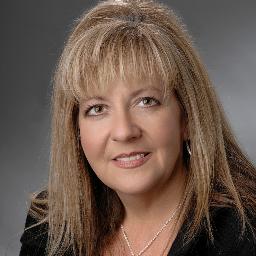
Kansas · 17 yrs exp
Licensed Clinical Professional Counselor - Young adult issues
Stress, Anxiety · Relationship · Family · Anger · +10 more
Read profile
Tennessee · 35 yrs exp
Licensed LMFT - Addictions and Relationships
Addictions · Relationship · Family · Trauma and abuse · +1 more
Read profile
Iowa · 9 yrs exp
Licensed Independent Social Worker - Young adult issues
Stress, Anxiety · Relationship · Family · Trauma and abuse · +8 more
Read profile
Colorado · 13 yrs exp
LMFT - Young adult issues and relationships
Stress, Anxiety · LGBT · Relationship · Trauma and abuse · +10 more
Read profile
South Carolina · 25 yrs exp
Licensed Professional Counselor - Young adult and relationship concerns
Stress, Anxiety · LGBT · Relationship · Trauma and abuse · +9 more
Read profile
Minnesota · 7 yrs exp
Licensed Professional Clinical Counselor - Stress and Trauma
Stress, Anxiety · LGBT · Trauma and abuse · Self esteem · +9 more
Read profile
Georgia · 27 yrs exp
LPC counselor - Young adult issues and mood concerns
Stress, Anxiety · Trauma and abuse · Bipolar · Depression · +16 more
Read profile
North Carolina · 20 yrs exp
LCMHC and LPC - stress and addiction
Stress, Anxiety · Addictions · LGBT · Relationship · +1 more
Read profile
Texas · 18 yrs exp
Licensed Professional Counselor - Trauma and Addiction
Stress, Anxiety · Addictions · LGBT · Relationship · +14 more
Read profile
Pennsylvania · 15 yrs exp
Licensed Professional Counselor - Young adult issues
Stress, Anxiety · Relationship · Self esteem · Depression · +14 more
Read profile
Texas · 19 yrs exp
Licensed Professional Counselor - Young adult concerns
Stress, Anxiety · Relationship · Family · Trauma and abuse · +12 more
Read profile
Indiana · 11 yrs exp
LMHC - Young adult issues and anxiety
Stress, Anxiety · Addictions · Trauma and abuse · Parenting · +14 more
Read profile
Texas · 15 yrs exp
Licensed Professional Counselor - Young adult concerns
Stress, Anxiety · Grief · Self esteem · Depression · +13 more
Read profile
Missouri · 20 yrs exp
LPC - Anxiety and Relationship Concerns
Stress, Anxiety · Relationship · Family · Trauma and abuse · +4 more
Read profile
Texas · 17 yrs exp
LPC in Texas - Mood and life challenges
Stress, Anxiety · Addictions · Self esteem · Bipolar · +15 more
Read profile
Texas · 13 yrs exp
Licensed Professional Counselor - Relationships and ADHD
Stress, Anxiety · Relationship · Family · Parenting · +14 more
Read profile
Texas · 16 yrs exp
Licensed Professional Counselor - Young adult issues
Stress, Anxiety · Family · Parenting · Bipolar · +11 more
Read profile
Oklahoma · 9 yrs exp
Licensed Professional Counselor - young adult issues
Stress, Anxiety · Anger · Self esteem · Coping with life changes · +16 more
Read profile
Florida · 9 yrs exp
Licensed Mental Health Counselor - Young adult issues
Stress, Anxiety · Family · Parenting · Anger · +11 more
Read profile
New York · 20 yrs exp
LMHC - Young adult issues and relationships
Stress, Anxiety · Relationship · Family · Self esteem · +15 more
Read profile
Iowa · 25 yrs exp
LISW - Young adult issues and trauma
Stress, Anxiety · Relationship · Trauma and abuse · Self esteem · +12 more
Read profile
Texas · 12 yrs exp
Licensed Professional Counselor - Young adult issues and relationships
Stress, Anxiety · Addictions · Relationship · Trauma and abuse · +14 more
Read profile
California · 8 yrs exp
LMFT - Young adult issues and trauma
Stress, Anxiety · Addictions · Trauma and abuse · Parenting · +11 more
Read profile
California · 14 yrs exp
LPCC counselor - family and life changes
Family · Trauma and abuse · Self esteem · Coping with life changes · +1 more
Read profile
Mississippi · 20 yrs exp
LPC - Anxiety and life transitions
Stress, Anxiety · Addictions · Trauma and abuse · Anger · +14 more
Read profile
Wisconsin · 8 yrs exp
LPC in Wisconsin - Young adult and relationship concerns
Stress, Anxiety · Relationship · Self esteem · Career · +10 more
Read profile
New York · 9 yrs exp
Licensed mental health counselor - stress and relationships
Stress, Anxiety · Relationship · Parenting · Self esteem · +1 more
Read profile
Missouri · 8 yrs exp
Licensed counselor - Young adult and trauma concerns
Stress, Anxiety · Addictions · LGBT · Trauma and abuse · +15 more
Read profile
Arizona · 25 yrs exp
LPC in Arizona - Stress and Relationship Support
Stress, Anxiety · Addictions · Relationship · Trauma and abuse · +11 more
Read profile
Florida · 11 yrs exp
LMHC in Florida - Young adult issues and relationships
Stress, Anxiety · Trauma and abuse · Grief · Depression · +8 more
Read profile
Missouri · 19 yrs exp
Licensed counselor - Young adult issues
Stress, Anxiety · Relationship · Trauma and abuse · Depression · +14 more
Read profile
Illinois · 18 yrs exp
IL LCPC - Young adult issues and addictions
Stress, Anxiety · Addictions · Trauma and abuse · Anger · +12 more
Read profile
Florida · 10 yrs exp
LMHC - Mood and life transition support
Stress, Anxiety · Addictions · Anger · Bipolar · +11 more
Read profile
Colorado · 18 yrs exp
Licensed counselor - Young adult concerns
Stress, Anxiety · Addictions · Relationship · Self esteem · +15 more
Read profile
Mississippi · 16 yrs exp
Licensed Professional Counselor - Young adult issues
Stress, Anxiety · Parenting · Anger · Self esteem · +10 more
Read profileSexuality is part of how many people understand themselves as they move through study, first jobs, changing relationships and new freedoms. You may be learning about your sexual orientation or gender expression, negotiating consent and boundaries with partners, exploring sexual health or intimacy, or working through difficult experiences from the past. Those concerns can run alongside other transitions you are handling in your twenties - moving out, exams, early career pressures and comparisons on social media that can shape how you relate to others and to yourself. It is common to look for a professional who can hold conversations about sexual feelings, identity, relationships and safety with nuance and respect.
When you consider a profile, remember that a listed focus does not itself establish specialist certification or a particular training. Profiles on this page indicate that a professional includes Sexuality in their stated areas of interest or practice. That can still be useful when you want to find someone who mentions sexual health, orientation, relationship dynamics, body image or consent among their work, because those listings signal the topics they are prepared to discuss in sessions.
Sexuality rarely sits alone. You might notice that questions about intimacy affect your mental energy at work or your confidence in interviews. Relationship patterns can influence decisions about moving cities or taking a job. For some people, exploring sexual identity comes with family tensions or practical concerns such as housing, finances or study demands. In other cases, sexual health questions tie into physical wellbeing, access to services, or past experiences that are still being processed. You may want a professional who understands the broader context of life in your twenties as much as the specific sexual topic you bring.
On this directory, many profiles also list young adult issues among their additional focus areas. That overlap can help you find practitioners who explicitly reference the life stage you are in, but it is not proof of a causal relationship between age and the sexual issue. Use profiles to see how practitioners describe the settings where they work, the populations they mention, and the topics they highlight, then use that description as a starting point for a direct conversation with any professional you consider.
Before you reach out to someone, think about the practical and clinical questions that matter to you. You can ask how a practitioner frames conversations about sexuality - whether they describe their style as exploratory, education-focused, relational, or practical problem-solving. Ask which topics they list in their profile - for example, sexual orientation and identity, gender exploration, sexual functioning, consent and boundaries, or recovery from sexual harm. If you have a preference for a specialist language or cultural perspective, check which languages they list and whether they note experience working with LGBTQ+ communities or specific cultural groups.
It is also helpful to clarify how they represent credentials on their profile. Distinguish academic degrees such as PhD, PsyD, MD, MA or MSW from professional permissions to practice. In the United States you will often see state licensure noted by acronyms; in the United Kingdom professionals may describe registration or membership with national bodies; in Australia you may see registration with national boards or association membership. A listed degree alone does not confirm current permission to practise, so you may want to ask directly about registration or licensure if that is important to you.
If you are considering remote sessions, bring up practicalities early. Confirm the platforms they use and what sort of internet connection and device you will need. Ask about how they handle privacy and data protection, and what steps are in place for emergencies if a session is interrupted or you need urgent help. You should also discuss what to expect in the first few conversations - whether the practitioner begins with an assessment of current concerns, collaborative goal-setting, or a more open conversational approach. That can help you decide whether their way of working matches your needs.
When you're exploring sexual topics online, consider what setting makes it easier for you to speak openly. You might prefer a personal room at home, a parked car between classes, or a quiet campus space where you feel comfortable. If you are sharing an environment where conversations could be overheard, talk about how to manage that with the practitioner. For anyone experiencing thoughts of self-harm or feeling in immediate danger, contact local emergency services or a crisis line right away. If you are in the United States, the UK, Australia or elsewhere, your local emergency number or national crisis services can provide immediate support.
Comparing profiles means reading how professionals describe their focus rather than assuming uniform practice across all listings. Look at which specific sexual topics they name and how they phrase them. Some profiles will emphasise identity and orientation, others sexual functioning or relationship dynamics, and others consent and harm recovery. Pay attention to whether they mention young adult issues explicitly in the same profile, because that signals an awareness of life stage concerns you may be facing, such as study demands, first jobs or leaving home.
Language and cultural competence can make a significant difference in how comfortable you feel. Profiles often list spoken languages and any cultural communities practitioners work with. If cultural background, religion, or migration status matters to how you approach sexuality, seek practitioners who reference relevant experience on their profiles. For credentials, distinguish academic qualifications from registration or licensure and ask questions when the profile description is unclear. Finally, read how a practitioner describes their therapeutic style - whether they emphasise a direct approach, an empathic listening style, practical skills-building, or reflective exploration. That phrasing helps you form expectations about the tone of sessions and whether it fits how you like to learn and process.
Choosing a practitioner from a directory is a first step in a conversation. Use profiles to narrow options by the topics and life-stage focus you want, then reach out to discuss specific experiences, approaches and practical arrangements. That process helps you find a professional whose way of working, language abilities and stated focus align with the aspects of sexuality and young-adult life you care about exploring. Remember that a listed focus indicates a willingness to address a topic in sessions, and that the most useful next step is a direct exchange to see if the match feels right for your needs.
Alabama
124 therapists
Alaska
4 therapists
Arizona
69 therapists
Arkansas
45 therapists
Australia
237 therapists
California
396 therapists
Colorado
109 therapists
Connecticut
35 therapists
Delaware
6 therapists
District of Columbia
18 therapists
Florida
591 therapists
Georgia
189 therapists
Hawaii
14 therapists
Idaho
40 therapists
Illinois
131 therapists
Indiana
64 therapists
Iowa
30 therapists
Kansas
46 therapists
Kentucky
62 therapists
Louisiana
132 therapists
Maine
9 therapists
Maryland
108 therapists
Massachusetts
87 therapists
Michigan
273 therapists
Minnesota
100 therapists
Mississippi
63 therapists
Missouri
156 therapists
Montana
23 therapists
Nebraska
40 therapists
Nevada
24 therapists
New Hampshire
12 therapists
New Jersey
108 therapists
New Mexico
13 therapists
New York
200 therapists
North Carolina
209 therapists
North Dakota
3 therapists
Ohio
191 therapists
Oklahoma
115 therapists
Oregon
25 therapists
Pennsylvania
198 therapists
Rhode Island
13 therapists
South Carolina
156 therapists
South Dakota
18 therapists
Tennessee
87 therapists
Texas
728 therapists
United Kingdom
1773 therapists
Utah
30 therapists
Vermont
13 therapists
Virginia
77 therapists
Washington
77 therapists
West Virginia
29 therapists
Wisconsin
76 therapists
Wyoming
17 therapists