
Brooke Bowen
LPCAlabama · 22 yrs exp
LPC in Alabama - Young adult and life transitions
Stress, Anxiety · Trauma and abuse · Anger · Self esteem · +16 more
Read profileTherapist listings are provided by BetterHelp. We will earn a commission at no additional cost to you if you use our links to purchase.
This page groups profiles that list Post-Traumatic Stress as a specialty or additional focus area alongside young adult concerns. Compare listed locations, approaches, languages and credentials, and browse profiles to find a match for your needs.
Alabama · 22 yrs exp
LPC in Alabama - Young adult and life transitions
Stress, Anxiety · Trauma and abuse · Anger · Self esteem · +16 more
Read profile
South Carolina · 16 yrs exp
LMFT - Young adult issues and relationships
Stress, Anxiety · Relationship · Family · Parenting · +14 more
Read profile
Florida · 20 yrs exp
Dr. Daniella Jackson - LMHC, Addiction and Life Transitions
Stress, Anxiety · Addictions · Relationship · Self esteem · +16 more
Read profile
North Carolina · 16 yrs exp
Dr. Christina Collins, LCMHC - Stress and Relationship concerns
Stress, Anxiety · Relationship · Trauma and abuse · Grief · +7 more
Read profile
Kansas · 12 yrs exp
Licensed Clinical Marriage and Family Therapist - Young adult issues
Stress, Anxiety · Relationship · Intimacy-related issues · Depression · +13 more
Read profile
Kentucky · 18 yrs exp
Licensed marriage and family therapist - relationships and identity
LGBT · Relationship · Family · Self esteem · +14 more
Read profile
Louisiana · 7 yrs exp
Dr. Tanya Harrell - LPC, young adult issues and anxiety
Stress, Anxiety · Family · Trauma and abuse · Parenting · +15 more
Read profile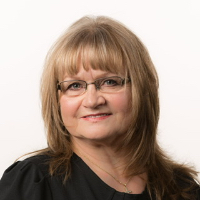
Texas · 15 yrs exp
Licensed counselor - Young adult concerns
Addictions · Relationship · Trauma and abuse · Grief · +13 more
Read profile
Florida · 7 yrs exp
LMHC - Young adult issues and addictions
Addictions · Relationship · Family · Trauma and abuse · +13 more
Read profile
Michigan · 5 yrs exp
Licensed Professional Counselor - Young adult issues
Stress, Anxiety · Relationship · Family · Self esteem · +12 more
Read profile
Pennsylvania · 12 yrs exp
Licensed counselor - Young adult concerns
Stress, Anxiety · Relationship · Self esteem · Depression · +11 more
Read profile
Florida · 26 yrs exp
LMHC in Florida - Young adult and relationship issues
Relationship · Grief · Self esteem · Depression · +13 more
Read profile
Texas · 17 yrs exp
Licensed Professional Counselor - Young adult issues
Stress, Anxiety · Family · Depression · Coping with life changes · +12 more
Read profile
Missouri · 7 yrs exp
Licensed Professional Counselor - Anxiety and Addictions
Stress, Anxiety · Addictions · Relationship · Self esteem · +13 more
Read profile
Florida · 17 yrs exp
Florida LMHC - Young adult issues and relationships
Stress, Anxiety · Addictions · Relationship · Family · +14 more
Read profile
Louisiana · 10 yrs exp
Licensed counselor - Young adult issues
Stress, Anxiety · Relationship · Family · Depression · +12 more
Read profile
Texas · 10 yrs exp
LPC in Texas - Young adult stress and relationships
Stress, Anxiety · Relationship · Family · Depression · +14 more
Read profile
Texas · 11 yrs exp
LPC in Texas - relationships and anxiety
Stress, Anxiety · Relationship · Family · Parenting · +9 more
Read profile
Illinois · 10 yrs exp
Illinois LCPC - Young adult issues and relationships
Stress, Anxiety · LGBT · Relationship · Trauma and abuse · +10 more
Read profile
Florida · 14 yrs exp
Licensed Mental Health Counselor - Relationships and Mood
Stress, Anxiety · Trauma and abuse · Bipolar · Depression · +16 more
Read profile
Texas · 13 yrs exp
Licensed counselor and marriage therapist - young adult concerns
Stress, Anxiety · LGBT · Relationship · Trauma and abuse · +12 more
Read profile
Washington · 12 yrs exp
LMHC - Young adult issues and relationships
Stress, Anxiety · Relationship · Family · Self esteem · +15 more
Read profile
Minnesota · 23 yrs exp
LMFT - Young adult issues and relationships
Stress, Anxiety · Relationship · Trauma and abuse · Self esteem · +13 more
Read profile
Louisiana · 22 yrs exp
LMFT and LPC - Stress and Young Adult Issues
Stress, Anxiety · Relationship · Family · Grief · +11 more
Read profile
South Carolina · 36 yrs exp
LISW-CP - Anxiety and Addictions
Stress, Anxiety · Addictions · Family · Trauma and abuse · +3 more
Read profile
Michigan · 35 yrs exp
LMSW - Stress and relationship issues
Stress, Anxiety · Addictions · Trauma and abuse · Self esteem · +3 more
Read profile
Colorado · 11 yrs exp
LPC counselor - Young adult issues, life transitions
Stress, Anxiety · LGBT · Trauma and abuse · Anger · +15 more
Read profile
Michigan · 21 yrs exp
LMSW - Anxiety and relationship concerns
Stress, Anxiety · Relationship · Family · Bipolar · +14 more
Read profile
Texas · 22 yrs exp
Licensed Professional Counselor - Young adult issues and relationships
Stress, Anxiety · Relationship · Trauma and abuse · Depression · +16 more
Read profile
South Dakota · 12 yrs exp
Licensed counselor - young adult concerns
Stress, Anxiety · Relationship · Family · Trauma and abuse · +13 more
Read profile
Wisconsin · 11 yrs exp
LPC in Wisconsin - young adult issues and life transitions
Stress, Anxiety · Family · Trauma and abuse · Depression · +12 more
Read profile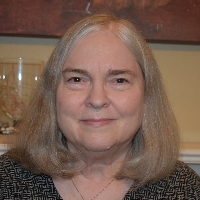
Texas · 20 yrs exp
Licensed Professional Counselor - stress and anxiety
Stress, Anxiety · Trauma and abuse · Self esteem · Depression · +12 more
Read profile
Pennsylvania · 6 yrs exp
Licensed Professional Counselor - Young adult issues
Stress, Anxiety · LGBT · Relationship · Self esteem · +15 more
Read profile
Arizona · 22 yrs exp
Licensed Professional Counselor - Young adult issues and life changes
Stress, Anxiety · Relationship · Family · Grief · +16 more
Read profile
Utah · 6 yrs exp
LCMHC - Anxiety and Trauma
Stress, Anxiety · Trauma and abuse · Self esteem · Depression · +8 more
Read profile
Virginia · 14 yrs exp
Licensed Professional Counselor - Trauma and Young Adult Concerns
Trauma and abuse · Grief · Coping with life changes · Compassion fatigue · +12 more
Read profile
Nebraska · 25 yrs exp
LMHP - Young adult issues and life transitions
Stress, Anxiety · Family · Trauma and abuse · Parenting · +12 more
Read profile
Ohio · 20 yrs exp
LISW - Young adult stress and relationships
Stress, Anxiety · LGBT · Family · Grief · +16 more
Read profile
Virginia · 13 yrs exp
Licensed Professional Counselor - Stress and Anxiety
Stress, Anxiety · Anger · Self esteem · Depression · +9 more
Read profile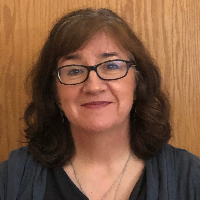
Wisconsin · 17 yrs exp
Licensed Professional Counselor - Young adult concerns
Stress, Anxiety · Relationship · Trauma and abuse · Self esteem · +11 more
Read profile
Colorado · 19 yrs exp
LPC - Young adult stress and relationships
Stress, Anxiety · Addictions · Self esteem · Depression · +14 more
Read profile
Louisiana · 14 yrs exp
LPC in Louisiana - Young adult issues and relationships
Stress, Anxiety · Parenting · Anger · Self esteem · +1 more
Read profile
Ohio · 17 yrs exp
LISW - Young adult concerns and life change
Stress, Anxiety · Family · Parenting · Depression · +12 more
Read profile
Michigan · 31 yrs exp
LMSW - Young adult issues and relationships
Stress, Anxiety · Family · Trauma and abuse · Self esteem · +16 more
Read profile
Florida · 32 yrs exp
LMHC - Stress and Relationship concerns
Stress, Anxiety · Relationship · Trauma and abuse · Bipolar · +8 more
Read profile
Georgia · 7 yrs exp
Licensed Marriage and Family Therapist - Young adult issues
Stress, Anxiety · Relationship · Intimacy-related issues · Anger · +11 more
Read profile
Oregon · 17 yrs exp
LMFT - Stress and Relationship Concerns
Stress, Anxiety · Trauma and abuse · Grief · Intimacy-related issues · +1 more
Read profile
Kansas · 17 yrs exp
Licensed Clinical Professional Counselor - Young adult issues
Stress, Anxiety · Relationship · Family · Anger · +10 more
Read profile
Louisiana · 15 yrs exp
Licensed counselor - Young adult issues
Stress, Anxiety · Trauma and abuse · Grief · Self esteem · +1 more
Read profile
California · 5 yrs exp
Licensed MFT - Relationships and Young Adult Concerns
Relationship · Grief · Parenting · Self esteem · +11 more
Read profile
Florida · 11 yrs exp
LMHC - Stress and Relationship support
Stress, Anxiety · Relationship · Parenting · Self esteem · +11 more
Read profile
Tennessee · 35 yrs exp
Licensed LMFT - Addictions and Relationships
Addictions · Relationship · Family · Trauma and abuse · +1 more
Read profile
New Jersey · 10 yrs exp
Licensed counselor - Young adult issues
Stress, Anxiety · Relationship · Family · Parenting · +4 more
Read profile
Iowa · 9 yrs exp
Licensed Independent Social Worker - Young adult issues
Stress, Anxiety · Relationship · Family · Trauma and abuse · +8 more
Read profile
Colorado · 13 yrs exp
LMFT - Young adult issues and relationships
Stress, Anxiety · LGBT · Relationship · Trauma and abuse · +10 more
Read profile
South Carolina · 25 yrs exp
Licensed Professional Counselor - Young adult and relationship concerns
Stress, Anxiety · LGBT · Relationship · Trauma and abuse · +9 more
Read profile
Minnesota · 7 yrs exp
Licensed Professional Clinical Counselor - Stress and Trauma
Stress, Anxiety · LGBT · Trauma and abuse · Self esteem · +9 more
Read profile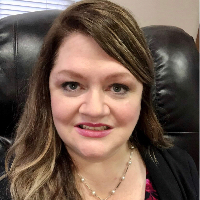
Georgia · 27 yrs exp
LPC counselor - Young adult issues and mood concerns
Stress, Anxiety · Trauma and abuse · Bipolar · Depression · +16 more
Read profile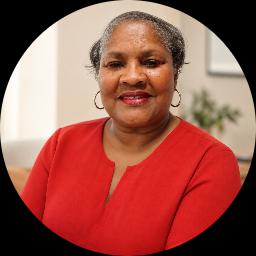
Oklahoma · 27 yrs exp
Licensed counselor - Young adult issues and mood concerns
Stress, Anxiety · Addictions · Parenting · Anger · +11 more
Read profile
North Carolina · 20 yrs exp
LCMHC and LPC - stress and addiction
Stress, Anxiety · Addictions · LGBT · Relationship · +1 more
Read profilePost-traumatic stress can show up in many ways during young adulthood - intrusive memories, avoidance of reminders, hyperarousal, or changes in mood and beliefs about yourself and the world. You may be juggling transitions such as leaving home, study and exams, starting a first job, managing money, or navigating new relationships, and these pressures can make symptoms harder to manage. The experience of comparing yourself to peers on social media or feeling like you are falling behind can intensify shame or isolation after trauma. It helps to know that many people in this age range seek help for trauma-related reactions without a fixed timeline for change; work in therapy often focuses on ways to reduce distress and regain functioning rather than promising a specific outcome.
When you read profiles on this page, remember that listing Post-Traumatic Stress as a focus area means the practitioner includes it among their concerns of interest. That listing does not, by itself, indicate a particular training pathway or diagnostic service. If you are unsure whether a profile fits your needs, use the profile details to compare approaches, the settings they mention, and the kinds of experience they describe, and bring specific questions to an initial conversation.
The transitions of early adulthood often interact with trauma responses in ways that are specific to this life stage. For example, leaving home can remove familiar supports and routines that previously helped you cope, making nightmares or flashbacks feel harder to manage on your own. Examination periods or high-stakes assessments may trigger heightened anxiety if trauma responses are tied to concentration or memory. Starting a first job can create new interpersonal dynamics and performance pressures that stir shame or distrust. Relationship building - romantic, platonic, or professional - may be complicated by avoidance, difficulties with intimacy, or hypervigilance.
Financial stress, relocations, and identity exploration can also shape how you notice and interpret symptoms. You may be questioning roles and values while also navigating the practical tasks of adulthood. Profiles on this site note young adult issues alongside Post-Traumatic Stress so you can compare practitioners who articulate experience or interest in this life stage. That linkage is descriptive rather than explanatory - it highlights overlapping areas of focus you may want to prioritise when choosing whom to contact.
When you review profiles, have a short list of concrete questions to guide comparison. Ask whether the therapist is familiar with working with people in their late teens and twenties and how they describe that experience. Ask which approaches they commonly use for trauma and how those approaches might be adapted for your current life demands. Therapists may list methods such as cognitive-behavioural approaches, trauma-focused cognitive-behavioural work, EMDR among their approaches, somatic-informed work, or narrative approaches - use these listings as starting points for conversation rather than proof of specific qualifications.
It is important to separate academic degrees from legal permission to practise. A profile may note a PhD, PsyD, MD, MA, or MSW; these describe training and research background but do not automatically tell you about current licensing or registration. In the United States, practitioners may be licensed with state-level credentials. In the United Kingdom and Australia, practitioners may be registered or hold membership with national professional bodies. If professional regulation matters to you, ask the practitioner to clarify their current licence, registration, or membership and what that means for the services they offer. Also ask about the kinds of clients they typically work with - some practitioners focus on individual adults, while others include couples or families only when that is explicitly stated.
If you are thinking about remote work, it helps to discuss practical and safety considerations up front. Ask how the therapist manages time-zone differences if they work across regions and what the listed location on the profile refers to for appointments. Clarify what technology platforms they use, how session notes and records are handled, and what protections are in place for your data. Discuss how they plan for risk - for example, how to reach local emergency services if you are in immediate danger, and what contacts or crisis lines are recommended in your country. If low mood or distress includes thoughts of self-harm or harming others, contact emergency services or a local crisis line immediately rather than waiting for an appointment.
Talk about communication outside sessions - some practitioners describe acceptable ways to contact them between sessions, while others limit contact to scheduled appointments. If you have accessibility needs or prefer a particular pace of work, raise these before you begin so you and the practitioner can agree on practical adjustments. You may also want to ask how they measure progress and what you might expect in terms of reviewing goals or adjusting the approach as you go. These conversations help you form a shared plan and give you a clearer sense of whether the style and structure fit your needs.
Comparing profiles effectively means looking beyond a single phrase and reading the details that clarify fit. Focus areas tell you what a practitioner lists among their concerns - compare not only whether Post-Traumatic Stress appears, but how it appears alongside related topics such as anxiety, mood, or identity work. Languages spoken are practical - choose a profile where you can speak comfortably in the language you prefer, and note whether the profile mentions cultural competence or work with specific communities if that matters to you. Credentials on a profile can include academic degrees and legal permission to practise; treat them as complementary information. A degree like a PhD or MSW indicates education, while licensing, registration or recognised membership indicates the practitioner’s current professional standing in their jurisdiction.
Style and interpersonal approach matter as much as formal qualifications. Many profiles describe whether a practitioner leans toward structured, skills-based work or a more exploratory, relational style. Some profiles describe sounding more directive and task-focused, while others emphasise a reflective, collaborative pace. If a profile references particular approaches, use that to formulate questions about how those approaches might be used with someone juggling study, work and relationships. Ask about expected session length, frequency, and whether the practitioner recommends coordinating care with your GP or another healthcare professional when needed. Ultimately, comparing profiles is about matching practical details, professional standing and personal fit so you can choose a practitioner to contact and discuss your needs further.
Choosing who to contact is a personal decision and it is okay to meet with more than one person before you decide. Use profiles to narrow options, prepare clear questions, and prioritise elements that matter to you - approach, languages, listed location, credentials and personal style. If you are in immediate danger or experiencing crisis, call emergency services or your local crisis line for immediate support.
Alabama
124 therapists
Alaska
4 therapists
Arizona
69 therapists
Arkansas
45 therapists
Australia
237 therapists
California
396 therapists
Colorado
109 therapists
Connecticut
35 therapists
Delaware
6 therapists
District of Columbia
18 therapists
Florida
591 therapists
Georgia
189 therapists
Hawaii
14 therapists
Idaho
40 therapists
Illinois
131 therapists
Indiana
64 therapists
Iowa
30 therapists
Kansas
46 therapists
Kentucky
62 therapists
Louisiana
132 therapists
Maine
9 therapists
Maryland
108 therapists
Massachusetts
87 therapists
Michigan
273 therapists
Minnesota
100 therapists
Mississippi
63 therapists
Missouri
156 therapists
Montana
23 therapists
Nebraska
40 therapists
Nevada
24 therapists
New Hampshire
12 therapists
New Jersey
108 therapists
New Mexico
13 therapists
New York
200 therapists
North Carolina
209 therapists
North Dakota
3 therapists
Ohio
191 therapists
Oklahoma
115 therapists
Oregon
25 therapists
Pennsylvania
198 therapists
Rhode Island
13 therapists
South Carolina
156 therapists
South Dakota
18 therapists
Tennessee
87 therapists
Texas
728 therapists
United Kingdom
1773 therapists
Utah
30 therapists
Vermont
13 therapists
Virginia
77 therapists
Washington
77 therapists
West Virginia
29 therapists
Wisconsin
76 therapists
Wyoming
17 therapists