
Brooke Bowen
LPCAlabama · 22 yrs exp
LPC in Alabama - Young adult and life transitions
Stress, Anxiety · Trauma and abuse · Anger · Self esteem · +16 more
Read profileTherapist listings are provided by BetterHelp. We will earn a commission at no additional cost to you if you use our links to purchase.
This page groups profiles of clinicians who list multicultural concerns alongside young adult issues. Use the profiles to compare focus areas, languages, professional credentials, and listed location, then browse profiles to learn more.
Alabama · 22 yrs exp
LPC in Alabama - Young adult and life transitions
Stress, Anxiety · Trauma and abuse · Anger · Self esteem · +16 more
Read profile
South Carolina · 16 yrs exp
LMFT - Young adult issues and relationships
Stress, Anxiety · Relationship · Family · Parenting · +14 more
Read profile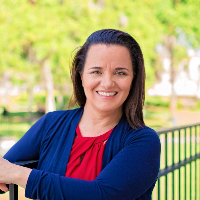
Florida · 20 yrs exp
Dr. Daniella Jackson - LMHC, Addiction and Life Transitions
Stress, Anxiety · Addictions · Relationship · Self esteem · +16 more
Read profile
North Carolina · 16 yrs exp
Dr. Christina Collins, LCMHC - Stress and Relationship concerns
Stress, Anxiety · Relationship · Trauma and abuse · Grief · +7 more
Read profile
Kentucky · 18 yrs exp
Licensed marriage and family therapist - relationships and identity
LGBT · Relationship · Family · Self esteem · +14 more
Read profile
Louisiana · 7 yrs exp
Dr. Tanya Harrell - LPC, young adult issues and anxiety
Stress, Anxiety · Family · Trauma and abuse · Parenting · +15 more
Read profile
Florida · 7 yrs exp
LMHC - Young adult issues and addictions
Addictions · Relationship · Family · Trauma and abuse · +13 more
Read profile
Florida · 26 yrs exp
LMHC in Florida - Young adult and relationship issues
Relationship · Grief · Self esteem · Depression · +13 more
Read profile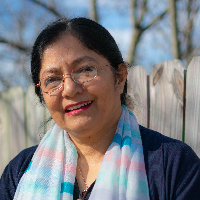
Texas · 17 yrs exp
Licensed Professional Counselor - Young adult issues
Stress, Anxiety · Family · Depression · Coping with life changes · +12 more
Read profile
New York · 11 yrs exp
LMHC - Young adult issues and life transitions
Stress, Anxiety · Grief · Self esteem · Relationship · +8 more
Read profile
Louisiana · 10 yrs exp
Licensed counselor - Young adult issues
Stress, Anxiety · Relationship · Family · Depression · +12 more
Read profile
Texas · 10 yrs exp
LPC in Texas - Young adult stress and relationships
Stress, Anxiety · Relationship · Family · Depression · +14 more
Read profile
Texas · 11 yrs exp
LPC in Texas - relationships and anxiety
Stress, Anxiety · Relationship · Family · Parenting · +9 more
Read profile
Texas · 12 yrs exp
Licensed Professional Counselor - Young adult issues and mood concerns
Stress, Anxiety · Self esteem · Career · Depression · +9 more
Read profile
Illinois · 10 yrs exp
Illinois LCPC - Young adult issues and relationships
Stress, Anxiety · LGBT · Relationship · Trauma and abuse · +10 more
Read profile
Florida · 14 yrs exp
Licensed Mental Health Counselor - Relationships and Mood
Stress, Anxiety · Trauma and abuse · Bipolar · Depression · +16 more
Read profile
Texas · 20 yrs exp
Licensed Professional Counselor - Young adult issues
Family · Grief · Parenting · Self esteem · +7 more
Read profile
Colorado · 11 yrs exp
LPC counselor - Young adult issues, life transitions
Stress, Anxiety · LGBT · Trauma and abuse · Anger · +15 more
Read profile
Texas · 8 yrs exp
Licensed Professional Counselor - Young adult issues, anxiety
Stress, Anxiety · Grief · Self esteem · Career · +11 more
Read profile
Wisconsin · 11 yrs exp
LPC in Wisconsin - young adult issues and life transitions
Stress, Anxiety · Family · Trauma and abuse · Depression · +12 more
Read profile
Florida · 20 yrs exp
LMHC - Stress and Relationship Concerns
Stress, Anxiety · Relationship · Family · Self esteem · +9 more
Read profile
Texas · 10 yrs exp
Licensed Marriage and Family Therapist - Young adult issues
Stress, Anxiety · Relationship · Family · Parenting · +5 more
Read profile
Pennsylvania · 6 yrs exp
Licensed Professional Counselor - Young adult issues
Stress, Anxiety · LGBT · Relationship · Self esteem · +15 more
Read profile
Arizona · 22 yrs exp
Licensed Professional Counselor - Young adult issues and life changes
Stress, Anxiety · Relationship · Family · Grief · +16 more
Read profile
Virginia · 14 yrs exp
Licensed Professional Counselor - Trauma and Young Adult Concerns
Trauma and abuse · Grief · Coping with life changes · Compassion fatigue · +12 more
Read profile
Nebraska · 25 yrs exp
LMHP - Young adult issues and life transitions
Stress, Anxiety · Family · Trauma and abuse · Parenting · +12 more
Read profile
Florida · 20 yrs exp
Licensed Mental Health Counselor - Young adult concerns
Stress, Anxiety · Grief · Self esteem · Depression · +9 more
Read profile
Ohio · 20 yrs exp
LISW - Young adult stress and relationships
Stress, Anxiety · LGBT · Family · Grief · +16 more
Read profile
Georgia · 3 yrs exp
Licensed Professional Counselor - Young adult concerns
Stress, Anxiety · Relationship · Family · Intimacy-related issues · +6 more
Read profile
Virginia · 13 yrs exp
Licensed Professional Counselor - Stress and Anxiety
Stress, Anxiety · Anger · Self esteem · Depression · +9 more
Read profile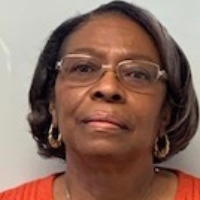
Alabama · 20 yrs exp
Licensed Professional Counselor - Young adult issues
Stress, Anxiety · Relationship · Grief · Depression · +9 more
Read profile
North Carolina · 16 yrs exp
LMFT - Stress and Relationship Concerns
Stress, Anxiety · Relationship · Family · Parenting · +8 more
Read profile
Florida · 13 yrs exp
LMHC - Young adult life and relationships
Stress, Anxiety · Relationship · Intimacy-related issues · Depression · +15 more
Read profile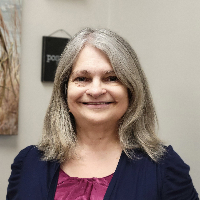
Illinois · 38 yrs exp
LCPC - Young adult issues and life changes
Stress, Anxiety · Self esteem · Depression · Coping with life changes · +9 more
Read profile
Michigan · 31 yrs exp
LMSW - Young adult issues and relationships
Stress, Anxiety · Family · Trauma and abuse · Self esteem · +16 more
Read profile
Oregon · 17 yrs exp
LMFT - Stress and Relationship Concerns
Stress, Anxiety · Trauma and abuse · Grief · Intimacy-related issues · +1 more
Read profile
California · 5 yrs exp
Licensed MFT - Relationships and Young Adult Concerns
Relationship · Grief · Parenting · Self esteem · +11 more
Read profile
Florida · 11 yrs exp
LMHC - Stress and Relationship support
Stress, Anxiety · Relationship · Parenting · Self esteem · +11 more
Read profile
Tennessee · 35 yrs exp
Licensed LMFT - Addictions and Relationships
Addictions · Relationship · Family · Trauma and abuse · +1 more
Read profile
Louisiana · 10 yrs exp
Licensed Professional Counselor - Young adult issues
Stress, Anxiety · Trauma and abuse · Anger · Self esteem · +8 more
Read profile
South Carolina · 25 yrs exp
Licensed Professional Counselor - Young adult and relationship concerns
Stress, Anxiety · LGBT · Relationship · Trauma and abuse · +9 more
Read profile
Minnesota · 7 yrs exp
Licensed Professional Clinical Counselor - Stress and Trauma
Stress, Anxiety · LGBT · Trauma and abuse · Self esteem · +9 more
Read profile
Georgia · 27 yrs exp
LPC counselor - Young adult issues and mood concerns
Stress, Anxiety · Trauma and abuse · Bipolar · Depression · +16 more
Read profile
Oklahoma · 27 yrs exp
Licensed counselor - Young adult issues and mood concerns
Stress, Anxiety · Addictions · Parenting · Anger · +11 more
Read profile
Texas · 18 yrs exp
Licensed Professional Counselor - Trauma and Addiction
Stress, Anxiety · Addictions · LGBT · Relationship · +14 more
Read profile
North Carolina · 20 yrs exp
Licensed counselor - Young adult concerns
Stress, Anxiety · Parenting · Self esteem · Depression · +15 more
Read profile
Montana · 23 yrs exp
LCPC - Young adult issues and family concerns
Stress, Anxiety · Family · Trauma and abuse · Parenting · +12 more
Read profile
Florida · 11 yrs exp
LMHC - Stress and Anxiety support
Stress, Anxiety · Relationship · Family · Grief · +7 more
Read profile
Indiana · 11 yrs exp
LMHC - Young adult issues and anxiety
Stress, Anxiety · Addictions · Trauma and abuse · Parenting · +14 more
Read profile
Illinois · 30 yrs exp
Dr. Cassandra April - LCPC, Young adult and family concerns
Family · Trauma and abuse · Grief · Depression · +7 more
Read profile
Texas · 15 yrs exp
Licensed Professional Counselor - Young adult concerns
Stress, Anxiety · Grief · Self esteem · Depression · +13 more
Read profile
Texas · 17 yrs exp
LPC in Texas - Mood and life challenges
Stress, Anxiety · Addictions · Self esteem · Bipolar · +15 more
Read profile
Texas · 13 yrs exp
Licensed Professional Counselor - Relationships and ADHD
Stress, Anxiety · Relationship · Family · Parenting · +14 more
Read profile
Texas · 16 yrs exp
Licensed Professional Counselor - Young adult issues
Stress, Anxiety · Family · Parenting · Bipolar · +11 more
Read profile
Oklahoma · 9 yrs exp
Licensed Professional Counselor - young adult issues
Stress, Anxiety · Anger · Self esteem · Coping with life changes · +16 more
Read profile
Mississippi · 15 yrs exp
Licensed Professional Counselor - Young adult concerns
Stress, Anxiety · Addictions · Relationship · Family · +5 more
Read profile
New Jersey · 25 yrs exp
LPC in New Jersey - Stress and Anxiety
Stress, Anxiety · Family · Anger · Self esteem · +1 more
Read profile
Wisconsin · 20 yrs exp
Licensed Professional Counselor - Young adult issues and mood concerns
Stress, Anxiety · Self esteem · Career · Depression · +2 more
Read profile
Texas · 21 yrs exp
Licensed MFT - Young adult issues
Trauma and abuse · Parenting · Self esteem · Depression · +8 more
Read profile
New York · 20 yrs exp
LMHC - Young adult issues and relationships
Stress, Anxiety · Relationship · Family · Self esteem · +15 more
Read profileYoung adulthood is a period of intense change - leaving home, adjusting to study or first jobs, managing finances, and navigating relationships. For many people these milestones are experienced through the lens of cultural background, migration history, faith, race, ethnicity, or family expectations. Those threads shape daily choices, how you interpret success or failure, and what support feels meaningful. You may find that cultural values affect how conflicts are handled at home, how feelings are talked about with friends, or how identity questions surface as you compare yourself to peers on social media.
Discussing multicultural concerns means talking about how culture and identity show up in your life. That can include language barriers, intergenerational expectations, pressures to conform, experiences of discrimination or microaggressions, and the emotional labor of code-switching. Each of these influences the stresses typical of your twenties. When you look at profiles, keep in mind that a listed focus area called multicultural concerns signals an interest or stated focus in this topic, but it does not imply a particular certification or guarantee of fit. Use that listing as an invitation to explore practitioners who explicitly name cultural identity as part of their work.
The directory is oriented toward young adult issues, and many clinicians who list multicultural concerns also indicate experience with life-stage challenges. That overlap is practical rather than causal: cultural context and developmental stage interact, but one does not automatically cause the other. You might be navigating identity questions at the same time as moving cities for study, or balancing family expectations with a new relationship. A clinician who names both young adult issues and multicultural concerns is signalling that they pay attention to the intersection of these areas when they describe their work.
When you read profiles, look for language that reflects an understanding of transitions common to your age range - career uncertainty, academic stress, or the social rhythms of early adulthood - alongside explicit mention of cultural or identity-related concerns. This can help you identify profiles where the practitioner acknowledges how culture and life phase intersect. Remember that profiles vary in how much detail they provide; follow up directly with a clinician if you want to know more about the specific populations or experiences they have worked with.
As you compare profiles, preparing specific questions will help you judge fit. Ask how a clinician approaches cultural identity in sessions - whether they invite discussions about family expectations, faith traditions, or language preferences. You can ask about experience with issues that matter to you, for example living between cultures, migration and settlement stress, or experiences of racism. Phrase these as concrete questions: Do you have experience supporting people who grew up in bicultural households? How do you work with clients who face cultural pressure from family or community?
It is also useful to ask about therapeutic approaches and how they are applied. Instead of assuming training, ask whether the clinician lists CBT, narrative approaches, trauma-informed work, or other methods among their approaches and how they adapt those approaches for cultural context. You might ask therapists who list EMDR among their approaches how they integrate attention to cultural norms when addressing traumatic memories. Finally, ask about experience with young adults specifically - whether the clinician has worked with people in their twenties on career transitions, study stress, or relationship shifts - because developmental familiarity can shape how goals are set and the pace of work.
If you are considering remote or online sessions, there are practical topics to cover before you begin. Talk about session format and technology - which video platform is used, what to do if a connection drops, and whether phone sessions are an option. Clarify how scheduling will work across time zones if you or the clinician are in different regions. Discuss boundaries and expectations for messages between sessions and how urgent concerns are handled.
Privacy and data handling are also important to review. Ask how session notes are stored, who can access records, and what measures are in place to protect your personal information. Confirm the clinician's listed location and the jurisdiction that governs their practice, because licensing, registration, or professional oversight may vary by country. Make a plan for emergencies - if you experience thoughts of harming yourself or feel that you are in immediate danger, contact emergency services right away. In the United States call 911, in the United Kingdom call 999, and in Australia call 000, or reach your local crisis line if you have one. If you are outside these countries, contact your local emergency services. Discuss with the clinician what local resources they recommend and what steps to take between sessions if you need urgent support.
Comparing profiles is about matching the specifics of your situation to what clinicians emphasize. Read focus areas closely - a profile that names multicultural concerns alongside anxiety, career stress, or relationship issues will likely reflect an integrated approach to those topics. Look at languages listed and consider whether you prefer sessions in a language you grew up speaking; if a profile lists multiple languages, ask how comfortably therapy is offered in each one and whether interpretation is used.
When you review credentials, distinguish academic degrees from legal permission to practise. Degrees such as PhD, PsyD, MD, MA, and MSW indicate academic qualifications. Licences, registrations, or professional memberships are different and vary by country. In the United States clinicians commonly cite licence types; in the United Kingdom you may see registration with a regulatory body or membership in professional organisations; in Australia practitioners may note registration or association membership. A degree alone does not establish current permission to practise, so ask directly about the clinician's standing in their jurisdiction if that matters to you.
Style and interpersonal fit are often critical. Some profiles describe a direct, problem-focused style while others emphasise exploration of narrative and meaning. Consider asking how the clinician typically structures early sessions, how they shape goals with young adults, and how they involve cultural context in treatment planning. Concrete comparison questions include: Which cultural communities have you worked with and in what ways did that work differ? How do you address experiences of discrimination or identity-based stress in therapy? What languages are you comfortable using during sessions? Which degree do you hold and how is your practice regulated in your listed location? Use these questions to start conversations that clarify how a clinician's focus areas, languages, credentials, and style align with what you need.
Finding a clinician who feels like a good fit can take time. Profiles can point you toward practitioners who explicitly name multicultural concerns and the challenges of young adulthood, but the most reliable way to judge fit is a conversation about your needs, expectations, and practical considerations. Approach that conversation with specific questions and a sense of what matters most to you, and use the directory listings as a starting place to explore the intersection of culture and the transitions you face in your twenties.
Alabama
124 therapists
Alaska
4 therapists
Arizona
69 therapists
Arkansas
45 therapists
Australia
237 therapists
California
396 therapists
Colorado
109 therapists
Connecticut
35 therapists
Delaware
6 therapists
District of Columbia
18 therapists
Florida
591 therapists
Georgia
189 therapists
Hawaii
14 therapists
Idaho
40 therapists
Illinois
131 therapists
Indiana
64 therapists
Iowa
30 therapists
Kansas
46 therapists
Kentucky
62 therapists
Louisiana
132 therapists
Maine
9 therapists
Maryland
108 therapists
Massachusetts
87 therapists
Michigan
273 therapists
Minnesota
100 therapists
Mississippi
63 therapists
Missouri
156 therapists
Montana
23 therapists
Nebraska
40 therapists
Nevada
24 therapists
New Hampshire
12 therapists
New Jersey
108 therapists
New Mexico
13 therapists
New York
200 therapists
North Carolina
209 therapists
North Dakota
3 therapists
Ohio
191 therapists
Oklahoma
115 therapists
Oregon
25 therapists
Pennsylvania
198 therapists
Rhode Island
13 therapists
South Carolina
156 therapists
South Dakota
18 therapists
Tennessee
87 therapists
Texas
728 therapists
United Kingdom
1773 therapists
Utah
30 therapists
Vermont
13 therapists
Virginia
77 therapists
Washington
77 therapists
West Virginia
29 therapists
Wisconsin
76 therapists
Wyoming
17 therapists