
Ruth Vanden Bosch
LPCMichigan · 25 yrs exp
Licensed Professional Counselor - Young adult concerns
Stress, Anxiety · LGBT · Relationship · Grief · +10 more
Read profileTherapist listings are provided by BetterHelp. We will earn a commission at no additional cost to you if you use our links to purchase.
This page groups profiles of clinicians who list Seasonal Affective Disorder (SAD) and young adult issues among their focus areas. You can compare listed location, focus areas, approaches, languages and credentials to decide which profiles to explore. Browse the profiles below to learn more about each clinician.
Michigan · 25 yrs exp
Licensed Professional Counselor - Young adult concerns
Stress, Anxiety · LGBT · Relationship · Grief · +10 more
Read profile
Alabama · 22 yrs exp
LPC in Alabama - Young adult and life transitions
Stress, Anxiety · Trauma and abuse · Anger · Self esteem · +16 more
Read profile
South Carolina · 16 yrs exp
LMFT - Young adult issues and relationships
Stress, Anxiety · Relationship · Family · Parenting · +14 more
Read profile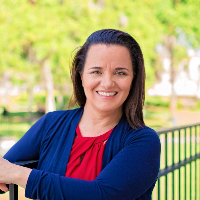
Florida · 20 yrs exp
Dr. Daniella Jackson - LMHC, Addiction and Life Transitions
Stress, Anxiety · Addictions · Relationship · Self esteem · +16 more
Read profile
Florida · 7 yrs exp
LMHC - Young adult issues and addictions
Addictions · Relationship · Family · Trauma and abuse · +13 more
Read profile
Michigan · 5 yrs exp
Licensed Professional Counselor - Young adult issues
Stress, Anxiety · Relationship · Family · Self esteem · +12 more
Read profile
Pennsylvania · 12 yrs exp
Licensed counselor - Young adult concerns
Stress, Anxiety · Relationship · Self esteem · Depression · +11 more
Read profile
Florida · 26 yrs exp
LMHC in Florida - Young adult and relationship issues
Relationship · Grief · Self esteem · Depression · +13 more
Read profile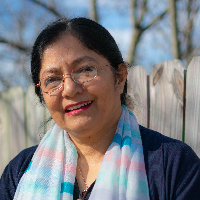
Texas · 17 yrs exp
Licensed Professional Counselor - Young adult issues
Stress, Anxiety · Family · Depression · Coping with life changes · +12 more
Read profile
Florida · 12 yrs exp
LMHC - Young adult issues and relationships
Stress, Anxiety · Relationship · Intimacy-related issues · Depression · +8 more
Read profile
New York · 11 yrs exp
LMHC - Young adult issues and life transitions
Stress, Anxiety · Grief · Self esteem · Relationship · +8 more
Read profile
Missouri · 7 yrs exp
Licensed Professional Counselor - Anxiety and Addictions
Stress, Anxiety · Addictions · Relationship · Self esteem · +13 more
Read profile
Louisiana · 10 yrs exp
Licensed counselor - Young adult issues
Stress, Anxiety · Relationship · Family · Depression · +12 more
Read profile
Texas · 10 yrs exp
LPC in Texas - Young adult stress and relationships
Stress, Anxiety · Relationship · Family · Depression · +14 more
Read profile
Texas · 11 yrs exp
LPC in Texas - relationships and anxiety
Stress, Anxiety · Relationship · Family · Parenting · +9 more
Read profile
Illinois · 10 yrs exp
Illinois LCPC - Young adult issues and relationships
Stress, Anxiety · LGBT · Relationship · Trauma and abuse · +10 more
Read profile
Florida · 14 yrs exp
Licensed Mental Health Counselor - Relationships and Mood
Stress, Anxiety · Trauma and abuse · Bipolar · Depression · +16 more
Read profile
Washington · 12 yrs exp
LMHC - Young adult issues and relationships
Stress, Anxiety · Relationship · Family · Self esteem · +15 more
Read profile
Minnesota · 23 yrs exp
LMFT - Young adult issues and relationships
Stress, Anxiety · Relationship · Trauma and abuse · Self esteem · +13 more
Read profile
Michigan · 35 yrs exp
LMSW - Stress and relationship issues
Stress, Anxiety · Addictions · Trauma and abuse · Self esteem · +3 more
Read profile
Colorado · 11 yrs exp
LPC counselor - Young adult issues, life transitions
Stress, Anxiety · LGBT · Trauma and abuse · Anger · +15 more
Read profile
Michigan · 21 yrs exp
LMSW - Anxiety and relationship concerns
Stress, Anxiety · Relationship · Family · Bipolar · +14 more
Read profile
Texas · 22 yrs exp
Licensed Professional Counselor - Young adult issues and relationships
Stress, Anxiety · Relationship · Trauma and abuse · Depression · +16 more
Read profile
Kentucky · 11 yrs exp
Licensed Marriage and Family Therapist - Relationships and Life Change
Stress, Anxiety · Relationship · Family · Self esteem · +9 more
Read profile
Pennsylvania · 9 yrs exp
LPC in Pennsylvania - life transitions and relationships
Stress, Anxiety · Grief · Parenting · Self esteem · +11 more
Read profile
Wisconsin · 11 yrs exp
LPC in Wisconsin - young adult issues and life transitions
Stress, Anxiety · Family · Trauma and abuse · Depression · +12 more
Read profile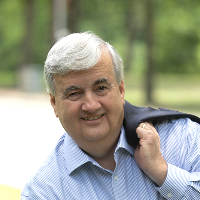
Texas · 23 yrs exp
Licensed Professional Counselor - Relationships and Young adult issues
Stress, Anxiety · Relationship · Self esteem · Career · +11 more
Read profile
Pennsylvania · 6 yrs exp
Licensed Professional Counselor - Young adult issues
Stress, Anxiety · LGBT · Relationship · Self esteem · +15 more
Read profile
Arizona · 22 yrs exp
Licensed Professional Counselor - Young adult issues and life changes
Stress, Anxiety · Relationship · Family · Grief · +16 more
Read profile
Utah · 6 yrs exp
LCMHC - Anxiety and Trauma
Stress, Anxiety · Trauma and abuse · Self esteem · Depression · +8 more
Read profile
Virginia · 14 yrs exp
Licensed Professional Counselor - Trauma and Young Adult Concerns
Trauma and abuse · Grief · Coping with life changes · Compassion fatigue · +12 more
Read profile
Nebraska · 25 yrs exp
LMHP - Young adult issues and life transitions
Stress, Anxiety · Family · Trauma and abuse · Parenting · +12 more
Read profile
Florida · 20 yrs exp
Licensed Mental Health Counselor - Young adult concerns
Stress, Anxiety · Grief · Self esteem · Depression · +9 more
Read profile
Ohio · 20 yrs exp
LISW - Young adult stress and relationships
Stress, Anxiety · LGBT · Family · Grief · +16 more
Read profile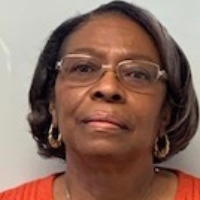
Alabama · 20 yrs exp
Licensed Professional Counselor - Young adult issues
Stress, Anxiety · Relationship · Grief · Depression · +9 more
Read profile
North Carolina · 16 yrs exp
LMFT - Stress and Relationship Concerns
Stress, Anxiety · Relationship · Family · Parenting · +8 more
Read profile
Wisconsin · 17 yrs exp
Licensed Professional Counselor - Young adult concerns
Stress, Anxiety · Relationship · Trauma and abuse · Self esteem · +11 more
Read profile
South Carolina · 20 yrs exp
LISW - Stress and relationship concerns
Stress, Anxiety · Relationship · Eating · Self esteem · +10 more
Read profile
Florida · 13 yrs exp
LMHC - Young adult life and relationships
Stress, Anxiety · Relationship · Intimacy-related issues · Depression · +15 more
Read profile
Colorado · 19 yrs exp
LPC - Young adult stress and relationships
Stress, Anxiety · Addictions · Self esteem · Depression · +14 more
Read profile
Ohio · 17 yrs exp
LISW - Young adult concerns and life change
Stress, Anxiety · Family · Parenting · Depression · +12 more
Read profile
Illinois · 38 yrs exp
LCPC - Young adult issues and life changes
Stress, Anxiety · Self esteem · Depression · Coping with life changes · +9 more
Read profile
Michigan · 31 yrs exp
LMSW - Young adult issues and relationships
Stress, Anxiety · Family · Trauma and abuse · Self esteem · +16 more
Read profile
Kansas · 17 yrs exp
Licensed Clinical Professional Counselor - Young adult issues
Stress, Anxiety · Relationship · Family · Anger · +10 more
Read profile
Florida · 11 yrs exp
LMHC - Stress and Relationship support
Stress, Anxiety · Relationship · Parenting · Self esteem · +11 more
Read profile
Tennessee · 35 yrs exp
Licensed LMFT - Addictions and Relationships
Addictions · Relationship · Family · Trauma and abuse · +1 more
Read profile
Iowa · 9 yrs exp
Licensed Independent Social Worker - Young adult issues
Stress, Anxiety · Relationship · Family · Trauma and abuse · +8 more
Read profile
Colorado · 13 yrs exp
LMFT - Young adult issues and relationships
Stress, Anxiety · LGBT · Relationship · Trauma and abuse · +10 more
Read profile
South Carolina · 25 yrs exp
Licensed Professional Counselor - Young adult and relationship concerns
Stress, Anxiety · LGBT · Relationship · Trauma and abuse · +9 more
Read profile
Georgia · 27 yrs exp
LPC counselor - Young adult issues and mood concerns
Stress, Anxiety · Trauma and abuse · Bipolar · Depression · +16 more
Read profile
Massachusetts · 20 yrs exp
LICSW - Stress and Life Transitions
Stress, Anxiety · Self esteem · Career · Depression · +11 more
Read profile
Texas · 18 yrs exp
Licensed Professional Counselor - Trauma and Addiction
Stress, Anxiety · Addictions · LGBT · Relationship · +14 more
Read profile
Illinois · 5 yrs exp
Illinois psychologist - stress and relationships
Stress, Anxiety · Relationship · Trauma and abuse · Depression · +12 more
Read profile
Ohio · 13 yrs exp
Ohio LPCC - Young adult and mental health concerns
Stress, Anxiety · Addictions · Family · Self esteem · +11 more
Read profile
Pennsylvania · 15 yrs exp
Licensed Professional Counselor - Young adult issues
Stress, Anxiety · Relationship · Self esteem · Depression · +14 more
Read profile
Montana · 23 yrs exp
LCPC - Young adult issues and family concerns
Stress, Anxiety · Family · Trauma and abuse · Parenting · +12 more
Read profile
Texas · 19 yrs exp
Licensed Professional Counselor - Young adult concerns
Stress, Anxiety · Relationship · Family · Trauma and abuse · +12 more
Read profile
Indiana · 11 yrs exp
LMHC - Young adult issues and anxiety
Stress, Anxiety · Addictions · Trauma and abuse · Parenting · +14 more
Read profile
Michigan · 8 yrs exp
LMSW - Young adult and mood concerns
Stress, Anxiety · Self esteem · Career · Depression · +16 more
Read profile
Texas · 15 yrs exp
Licensed Professional Counselor - Young adult concerns
Stress, Anxiety · Grief · Self esteem · Depression · +13 more
Read profileSeasonal changes can affect mood and energy in different ways, and you may notice patterns that repeat each year. Many people in young adulthood report feeling lower in motivation, more withdrawn from social life, or more tired during darker months. You might also see changes in sleep, appetite, or concentration that make studying, working, or maintaining relationships harder than usual. These are common experiences and worth discussing with a clinician who lists SAD among their focus areas.
When you read profiles, remember that a listing for Seasonal Affective Disorder is an invitation to ask questions about how a clinician understands and assesses seasonal patterns. A clinician can help you track when symptoms start and stop, whether they follow a seasonal pattern, and how those symptoms relate to other life stresses such as moving out, exam pressure, first jobs, money worries, or relationship changes. If your low mood ever includes thoughts of harming yourself, call emergency services or your local crisis line right away. That kind of immediate risk requires urgent help from local services.
Young adulthood is full of transitions - leaving home, entering higher education, starting new jobs, and figuring out relationships and personal identity. Seasonal dips in mood can compound those transitions. For example, you might find it harder to keep up with coursework or job performance when energy levels drop, or feel isolated when friends are less available because of seasonal schedules. That sense of falling behind on life milestones can increase pressure and self-comparison, especially when you see peers on social media appearing to manage effortlessly.
On profiles, look for clinicians who note experience with issues common to people in their late teens and twenties. A clinician who understands the rhythms of student life, shift work, or early-career demands may be able to help you integrate strategies into the routines you already have. It is important to remember that a listed focus area does not guarantee a specific service model or guarantee that the clinician treats every related concern. Use profiles to find clinicians whose stated interests align with the parts of young adulthood that matter most to you.
When you are comparing profiles, concrete questions will help you understand how a clinician works. Ask whether they have experience working with young adults and Seasonal Affective Disorder specifically, and what kinds of approaches they list among their approaches. Therapists who list cognitive behavioral approaches, interpersonal approaches, mindfulness-based approaches, or behavioral activation among their approaches may describe those as options to explore. Some clinicians will also note experience working alongside medical providers to discuss options like light therapy or medication - if that coordination matters to you, ask how they typically handle it and whether they work collaboratively with prescribers.
Also ask about assessment and planning. You can ask how a clinician typically evaluates seasonal patterns, whether they use mood tracking tools, and how they set goals with clients. If you want practical skills, ask how much of sessions focus on skill-building versus reflective exploration. If cultural or identity issues matter to you, ask about experience with the identities you hold and whether they work with issues like relationship patterns, social comparison, or workplace stress. Remember that a profile’s mention of an approach is not proof of training; instead, use it as a starting point for conversation.
If you plan to meet online or in-person, there are practical items to cover so you know what to expect. Confirm the listed location to understand where a clinician is based and whether in-person sessions are offered in your area. Licensing and registration rules differ by country and region, so if you are seeking remote care across state or national lines, ask whether the clinician is authorized to provide services in your jurisdiction. In the United States that often means state licensure, while in the UK and Australia clinicians may reference registration or professional membership - degrees such as PhD, PsyD, MD, MA or MSW are academic qualifications and do not by themselves indicate permission to practice.
Discuss emergency procedures and local resources. Ask how the clinician handles situations when someone is at imminent risk, what local emergency services they expect you to contact, and whether they have an agreed plan for managing crises. Talk about practical matters such as session length, communication preferences between meetings, and what to do if technology fails during an online session. You can also ask how they protect your privacy during sessions and whether they recommend a specific kind of environment at your end - for example a quiet, comfortable environment where you can speak freely. These conversations can make it easier to focus on the work when you begin.
Profiles are designed so you can compare the elements that usually matter most to people in this stage of life. Focus areas show what clinicians list as common concerns they address, and a young adult focus alongside Seasonal Affective Disorder can mean they commonly work with people navigating study, early careers, relationships, and identity. Approaches listed on profiles indicate the methods a clinician may draw on, but these are options to discuss rather than guarantees of practice. If you want culturally responsive care, look for language options and notes about cultural or identity work that align with your needs.
Credentials on a profile can include academic degrees and professional registration or licensing entries. Treat degrees such as PhD, PsyD, MD, MA or MSW as indicators of academic training, and treat state licenses, national registration or professional memberships as indicators of permission to practice in a particular jurisdiction. Because terminology and regulation differ across the US, UK and Australia, ask a clinician to clarify what their credentials mean in the context of your listed location. Finally, style matters - some clinicians describe themselves as structured and skills-focused, while others emphasize open-ended exploration. Use profile language and suggested questions about session structure to find clinicians whose way of working matches what you think will help you engage most effectively.
Comparing profiles by the elements that matter to you will help narrow your choices. Use the information on this page to frame conversations when you reach out, and keep in mind that the profile is an introduction. If you feel comfortable with the answers you get, you can arrange a first conversation to see whether the clinician’s approach and experience suit your needs.
Alabama
124 therapists
Alaska
4 therapists
Arizona
69 therapists
Arkansas
45 therapists
Australia
237 therapists
California
396 therapists
Colorado
109 therapists
Connecticut
35 therapists
Delaware
6 therapists
District of Columbia
18 therapists
Florida
591 therapists
Georgia
189 therapists
Hawaii
14 therapists
Idaho
40 therapists
Illinois
131 therapists
Indiana
64 therapists
Iowa
30 therapists
Kansas
46 therapists
Kentucky
62 therapists
Louisiana
132 therapists
Maine
9 therapists
Maryland
108 therapists
Massachusetts
87 therapists
Michigan
273 therapists
Minnesota
100 therapists
Mississippi
63 therapists
Missouri
156 therapists
Montana
23 therapists
Nebraska
40 therapists
Nevada
24 therapists
New Hampshire
12 therapists
New Jersey
108 therapists
New Mexico
13 therapists
New York
200 therapists
North Carolina
209 therapists
North Dakota
3 therapists
Ohio
191 therapists
Oklahoma
115 therapists
Oregon
25 therapists
Pennsylvania
198 therapists
Rhode Island
13 therapists
South Carolina
156 therapists
South Dakota
18 therapists
Tennessee
87 therapists
Texas
728 therapists
United Kingdom
1773 therapists
Utah
30 therapists
Vermont
13 therapists
Virginia
77 therapists
Washington
77 therapists
West Virginia
29 therapists
Wisconsin
76 therapists
Wyoming
17 therapists