
Ruth Vanden Bosch
LPCMichigan · 25 yrs exp
Licensed Professional Counselor - Young adult concerns
Stress, Anxiety · LGBT · Relationship · Grief · +10 more
Read profileTherapist listings are provided by BetterHelp. We will earn a commission at no additional cost to you if you use our links to purchase.
If you are navigating grief during your twenties, this page groups profiles of clinicians who list Grief among their focus areas. Compare approaches, credentials, languages and listed location, then browse profiles to find practitioners whose experience and style fit what you need.
Michigan · 25 yrs exp
Licensed Professional Counselor - Young adult concerns
Stress, Anxiety · LGBT · Relationship · Grief · +10 more
Read profile
Alabama · 22 yrs exp
LPC in Alabama - Young adult and life transitions
Stress, Anxiety · Trauma and abuse · Anger · Self esteem · +16 more
Read profile
South Carolina · 16 yrs exp
LMFT - Young adult issues and relationships
Stress, Anxiety · Relationship · Family · Parenting · +14 more
Read profile
Florida · 20 yrs exp
Dr. Daniella Jackson - LMHC, Addiction and Life Transitions
Stress, Anxiety · Addictions · Relationship · Self esteem · +16 more
Read profile
North Carolina · 16 yrs exp
Dr. Christina Collins, LCMHC - Stress and Relationship concerns
Stress, Anxiety · Relationship · Trauma and abuse · Grief · +7 more
Read profile
Kansas · 12 yrs exp
Licensed Clinical Marriage and Family Therapist - Young adult issues
Stress, Anxiety · Relationship · Intimacy-related issues · Depression · +13 more
Read profile
Kentucky · 18 yrs exp
Licensed marriage and family therapist - relationships and identity
LGBT · Relationship · Family · Self esteem · +14 more
Read profile
Louisiana · 7 yrs exp
Dr. Tanya Harrell - LPC, young adult issues and anxiety
Stress, Anxiety · Family · Trauma and abuse · Parenting · +15 more
Read profile
Texas · 15 yrs exp
Licensed counselor - Young adult concerns
Addictions · Relationship · Trauma and abuse · Grief · +13 more
Read profile
Florida · 7 yrs exp
LMHC - Young adult issues and addictions
Addictions · Relationship · Family · Trauma and abuse · +13 more
Read profile
Ohio · 3 yrs exp
Ohio LPCC - Young adult issues and addictions
Addictions · Family · Anger · Depression · +6 more
Read profile
Michigan · 5 yrs exp
Licensed Professional Counselor - Young adult issues
Stress, Anxiety · Relationship · Family · Self esteem · +12 more
Read profile
Arizona · 6 yrs exp
Licensed Professional Counselor - Young adult issues
Stress, Anxiety · Relationship · Family · Self esteem · +11 more
Read profile
Florida · 26 yrs exp
LMHC in Florida - Young adult and relationship issues
Relationship · Grief · Self esteem · Depression · +13 more
Read profile
Texas · 17 yrs exp
Licensed Professional Counselor - Young adult issues
Stress, Anxiety · Family · Depression · Coping with life changes · +12 more
Read profile
New York · 11 yrs exp
LMHC - Young adult issues and life transitions
Stress, Anxiety · Grief · Self esteem · Relationship · +8 more
Read profile
Missouri · 7 yrs exp
Licensed Professional Counselor - Anxiety and Addictions
Stress, Anxiety · Addictions · Relationship · Self esteem · +13 more
Read profile
Florida · 17 yrs exp
Florida LMHC - Young adult issues and relationships
Stress, Anxiety · Addictions · Relationship · Family · +14 more
Read profile
Louisiana · 10 yrs exp
Licensed counselor - Young adult issues
Stress, Anxiety · Relationship · Family · Depression · +12 more
Read profile
Texas · 10 yrs exp
LPC in Texas - Young adult stress and relationships
Stress, Anxiety · Relationship · Family · Depression · +14 more
Read profile
Texas · 11 yrs exp
LPC in Texas - relationships and anxiety
Stress, Anxiety · Relationship · Family · Parenting · +9 more
Read profile
Texas · 12 yrs exp
Licensed Professional Counselor - Young adult issues and mood concerns
Stress, Anxiety · Self esteem · Career · Depression · +9 more
Read profile
Illinois · 10 yrs exp
Illinois LCPC - Young adult issues and relationships
Stress, Anxiety · LGBT · Relationship · Trauma and abuse · +10 more
Read profile
Florida · 14 yrs exp
Licensed Mental Health Counselor - Relationships and Mood
Stress, Anxiety · Trauma and abuse · Bipolar · Depression · +16 more
Read profile
Texas · 13 yrs exp
Licensed counselor and marriage therapist - young adult concerns
Stress, Anxiety · LGBT · Relationship · Trauma and abuse · +12 more
Read profile
Washington · 12 yrs exp
LMHC - Young adult issues and relationships
Stress, Anxiety · Relationship · Family · Self esteem · +15 more
Read profile
Minnesota · 23 yrs exp
LMFT - Young adult issues and relationships
Stress, Anxiety · Relationship · Trauma and abuse · Self esteem · +13 more
Read profile
Louisiana · 22 yrs exp
LMFT and LPC - Stress and Young Adult Issues
Stress, Anxiety · Relationship · Family · Grief · +11 more
Read profile
Texas · 20 yrs exp
Licensed Professional Counselor - Young adult issues
Family · Grief · Parenting · Self esteem · +7 more
Read profile
Colorado · 11 yrs exp
LPC counselor - Young adult issues, life transitions
Stress, Anxiety · LGBT · Trauma and abuse · Anger · +15 more
Read profile
Michigan · 15 yrs exp
Licensed counselor - young adult issues
Stress, Anxiety · Anger · Self esteem · Depression · +10 more
Read profile
Michigan · 21 yrs exp
LMSW - Anxiety and relationship concerns
Stress, Anxiety · Relationship · Family · Bipolar · +14 more
Read profile
Texas · 8 yrs exp
Licensed Professional Counselor - Young adult issues, anxiety
Stress, Anxiety · Grief · Self esteem · Career · +11 more
Read profile
Texas · 22 yrs exp
Licensed Professional Counselor - Young adult issues and relationships
Stress, Anxiety · Relationship · Trauma and abuse · Depression · +16 more
Read profile
Kentucky · 11 yrs exp
Licensed Marriage and Family Therapist - Relationships and Life Change
Stress, Anxiety · Relationship · Family · Self esteem · +9 more
Read profile
South Dakota · 12 yrs exp
Licensed counselor - young adult concerns
Stress, Anxiety · Relationship · Family · Trauma and abuse · +13 more
Read profile
Pennsylvania · 9 yrs exp
LPC in Pennsylvania - life transitions and relationships
Stress, Anxiety · Grief · Parenting · Self esteem · +11 more
Read profile
Wisconsin · 11 yrs exp
LPC in Wisconsin - young adult issues and life transitions
Stress, Anxiety · Family · Trauma and abuse · Depression · +12 more
Read profile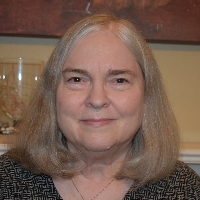
Texas · 20 yrs exp
Licensed Professional Counselor - stress and anxiety
Stress, Anxiety · Trauma and abuse · Self esteem · Depression · +12 more
Read profile
Texas · 23 yrs exp
Licensed Professional Counselor - Relationships and Young adult issues
Stress, Anxiety · Relationship · Self esteem · Career · +11 more
Read profile
Pennsylvania · 6 yrs exp
Licensed Professional Counselor - Young adult issues
Stress, Anxiety · LGBT · Relationship · Self esteem · +15 more
Read profile
Arizona · 22 yrs exp
Licensed Professional Counselor - Young adult issues and life changes
Stress, Anxiety · Relationship · Family · Grief · +16 more
Read profile
Virginia · 14 yrs exp
Licensed Professional Counselor - Trauma and Young Adult Concerns
Trauma and abuse · Grief · Coping with life changes · Compassion fatigue · +12 more
Read profile
Nebraska · 25 yrs exp
LMHP - Young adult issues and life transitions
Stress, Anxiety · Family · Trauma and abuse · Parenting · +12 more
Read profile
Florida · 20 yrs exp
Licensed Mental Health Counselor - Young adult concerns
Stress, Anxiety · Grief · Self esteem · Depression · +9 more
Read profile
Ohio · 20 yrs exp
LISW - Young adult stress and relationships
Stress, Anxiety · LGBT · Family · Grief · +16 more
Read profile
Wisconsin · 11 yrs exp
Licensed Professional Counselor - Young adult issues
Stress, Anxiety · Relationship · Family · Self esteem · +6 more
Read profile
Virginia · 13 yrs exp
Licensed Professional Counselor - Stress and Anxiety
Stress, Anxiety · Anger · Self esteem · Depression · +9 more
Read profile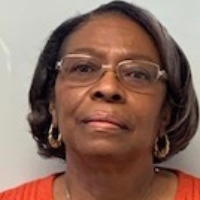
Alabama · 20 yrs exp
Licensed Professional Counselor - Young adult issues
Stress, Anxiety · Relationship · Grief · Depression · +9 more
Read profile
North Carolina · 16 yrs exp
LMFT - Stress and Relationship Concerns
Stress, Anxiety · Relationship · Family · Parenting · +8 more
Read profile
Wisconsin · 17 yrs exp
Licensed Professional Counselor - Young adult concerns
Stress, Anxiety · Relationship · Trauma and abuse · Self esteem · +11 more
Read profile
South Carolina · 20 yrs exp
LISW - Stress and relationship concerns
Stress, Anxiety · Relationship · Eating · Self esteem · +10 more
Read profile
Oregon · 15 yrs exp
Licensed Professional Counselor - Young adult issues and addictions
Stress, Anxiety · Addictions · Relationship · Trauma and abuse · +12 more
Read profile
Colorado · 19 yrs exp
LPC - Young adult stress and relationships
Stress, Anxiety · Addictions · Self esteem · Depression · +14 more
Read profile
Michigan · 16 yrs exp
Licensed Counselor - Young adult issues and addictions
Stress, Anxiety · Addictions · Relationship · Parenting · +8 more
Read profile
Ohio · 17 yrs exp
LISW - Young adult concerns and life change
Stress, Anxiety · Family · Parenting · Depression · +12 more
Read profile
Illinois · 38 yrs exp
LCPC - Young adult issues and life changes
Stress, Anxiety · Self esteem · Depression · Coping with life changes · +9 more
Read profile
Michigan · 31 yrs exp
LMSW - Young adult issues and relationships
Stress, Anxiety · Family · Trauma and abuse · Self esteem · +16 more
Read profile
New York · 13 yrs exp
LMHC - Young adult issues and mood concerns
Stress, Anxiety · Self esteem · Depression · Coping with life changes · +8 more
Read profile
Georgia · 7 yrs exp
Licensed Marriage and Family Therapist - Young adult issues
Stress, Anxiety · Relationship · Intimacy-related issues · Anger · +11 more
Read profileGrief in your late teens and twenties often arrives layered on top of other big changes - leaving home, finishing study, starting a first job, shifting relationships and sorting out who you are. Loss can be an expected bereavement or something less obvious, such as the end of a relationship, the loss of planned opportunities, the death of an aspect of identity or the fading of friendships. That mixture can make grief feel confusing. You may notice waves of strong emotion at times that otherwise seem ordinary, trouble concentrating on exams or work, changes in appetite or sleep, or a sense of falling behind compared with peers on social media. Grief can interact with anxiety about the future or with the practical strains of early adulthood, like money and housing. If your low mood includes thoughts of harming yourself, contact local emergency services or your national crisis line immediately; reach out to a trusted person and seek urgent help right away.
The profiles on this page are grouped because the clinicians list Grief as a focus and also note experience with young adult issues. That does not mean every clinician offers the same methods or that a listed focus proves specialist certification. What the grouping does is help you find profiles where bereavement and transition are described alongside the concerns common in your age range. You might prefer someone who explicitly mentions working with people starting careers, navigating study and exams, or adjusting after big life changes. When you look at profiles, consider how a clinician frames grief - do they mention complicated bereavement, loss of identity, or relationship endings - and whether that framing fits what you are facing. This directory covers professionals with degrees such as PhD, PsyD, MD, MA or MSW, and profiles may also mention different regulatory arrangements depending on listed location. Use those details as starting points for questions rather than as proof of a particular outcome or specific training.
When you open a profile, think about what matters to you and turn that into concrete questions to ask a clinician. You might ask, Do you have experience supporting 18 to 30 year olds through bereavement and life transitions? Can you describe the kinds of grief you most often work with - for example bereavement after a death, relationship loss, or loss related to identity and opportunity? Profiles often list therapeutic approaches; if you see terms you want to explore, you can ask, What does using that approach look like when working with grief? It is also reasonable to ask about their experience with issues that intersect with grief, such as academic pressure, first-job stress, or social media-related comparison. Look for language on the profile that describes the practitioner’s style - whether they position themselves as more reflective, direct, practical or exploratory - and ask how they tailor work for your stage of life. For professional standing, distinguish degrees from permission to practise: a PhD, PsyD, MD, MA or MSW describes academic qualification, while licensure in the United States, registration or membership in United Kingdom or Australian professional bodies indicates the regulatory context. You can ask them to clarify what the credentials on their profile mean in the listed location and how that relates to your situation.
If you are considering clinicians who work remotely, there are practical topics worth discussing up front. Confirm whether the practitioner is able to offer care to people in your country or state - regulation differs across the United States, United Kingdom and Australia - and ask how they handle cross-jurisdictional situations if you are studying or working away from the listed location. Talk about how they manage crisis situations and what steps they recommend if you need urgent help between contacts. Ask about their approach to technology and data handling so you understand how sessions are recorded or stored, and how your notes or communications will be handled. It is reasonable to ask about their boundaries around contacting between sessions and what you can expect when you need a check-in. You should also talk about what kinds of goals or outcomes they and you might prioritise - whether that is processing a particular bereavement, rebuilding routines, or working on meaning and identity - and how you will revisit progress together. Clear, frank questions at the outset make it easier to judge whether a clinician’s practice fits your expectations and practical needs.
Comparing profiles is about matching what is on the page with what matters to you. Start with focus areas - does the profile list Grief alongside young adult issues such as identity, relationships, study and work pressures? That pairing can indicate familiarity with the life stage you are in. Next look at approaches: some profiles will list cognitive approaches, narrative work, meaning-focused therapies, somatic approaches or tools such as EMDR among their approaches; remember that phrasing such as therapists who list EMDR among their approaches means they include it on their profile, not that it is guaranteed in every session. Consider the languages the clinician lists and whether you would prefer to work in a particular language or cultural context. Examine credentials carefully - note academic degrees separately from statements about licensure, registration or membership. In the United States, ask about state licensure or the equivalent; in the United Kingdom and Australia, ask about professional registration or association membership and what that implies for practice in the listed location. Finally, assess style. Some clinicians describe their work as exploratory and reflective, others as skills-based or practical. Ask yourself whether you respond better to direct guidance, space to process, or a blend. Concrete comparison questions you can use when messaging a profile include: Have you worked with people in my age range who faced similar losses? Which approaches do you tend to draw on with grief? What languages do you work in? What does your professional credential list mean in the listed location? How would you describe your therapeutic style?
Grief is personal and often changes over time. Use the profiles on this page as a way to find clinicians whose focus areas, languages, credentials and described style align with your needs. Reach out through a profile to ask the specific questions that matter to you before arranging a first conversation, and if you are in immediate danger or thinking about harming yourself, contact local emergency services or your national crisis line right away.
Alabama
124 therapists
Alaska
4 therapists
Arizona
69 therapists
Arkansas
45 therapists
Australia
237 therapists
California
396 therapists
Colorado
109 therapists
Connecticut
35 therapists
Delaware
6 therapists
District of Columbia
18 therapists
Florida
591 therapists
Georgia
189 therapists
Hawaii
14 therapists
Idaho
40 therapists
Illinois
131 therapists
Indiana
64 therapists
Iowa
30 therapists
Kansas
46 therapists
Kentucky
62 therapists
Louisiana
132 therapists
Maine
9 therapists
Maryland
108 therapists
Massachusetts
87 therapists
Michigan
273 therapists
Minnesota
100 therapists
Mississippi
63 therapists
Missouri
156 therapists
Montana
23 therapists
Nebraska
40 therapists
Nevada
24 therapists
New Hampshire
12 therapists
New Jersey
108 therapists
New Mexico
13 therapists
New York
200 therapists
North Carolina
209 therapists
North Dakota
3 therapists
Ohio
191 therapists
Oklahoma
115 therapists
Oregon
25 therapists
Pennsylvania
198 therapists
Rhode Island
13 therapists
South Carolina
156 therapists
South Dakota
18 therapists
Tennessee
87 therapists
Texas
728 therapists
United Kingdom
1773 therapists
Utah
30 therapists
Vermont
13 therapists
Virginia
77 therapists
Washington
77 therapists
West Virginia
29 therapists
Wisconsin
76 therapists
Wyoming
17 therapists