
Brooke Bowen
LPCAlabama · 22 yrs exp
LPC in Alabama - Young adult and life transitions
Stress, Anxiety · Trauma and abuse · Anger · Self esteem · +16 more
Read profileTherapist listings are provided by BetterHelp. We will earn a commission at no additional cost to you if you use our links to purchase.
Compare profiles of therapists who list Sleeping Disorders alongside the challenges of young adulthood - from exams and first jobs to relationship changes and identity shifts. Browse listings to review approaches, credentials, languages and listed location and decide which profiles to explore further.
Alabama · 22 yrs exp
LPC in Alabama - Young adult and life transitions
Stress, Anxiety · Trauma and abuse · Anger · Self esteem · +16 more
Read profile
South Carolina · 16 yrs exp
LMFT - Young adult issues and relationships
Stress, Anxiety · Relationship · Family · Parenting · +14 more
Read profile
Florida · 20 yrs exp
Dr. Daniella Jackson - LMHC, Addiction and Life Transitions
Stress, Anxiety · Addictions · Relationship · Self esteem · +16 more
Read profile
Kansas · 12 yrs exp
Licensed Clinical Marriage and Family Therapist - Young adult issues
Stress, Anxiety · Relationship · Intimacy-related issues · Depression · +13 more
Read profile
Louisiana · 7 yrs exp
Dr. Tanya Harrell - LPC, young adult issues and anxiety
Stress, Anxiety · Family · Trauma and abuse · Parenting · +15 more
Read profile
Texas · 15 yrs exp
Licensed counselor - Young adult concerns
Addictions · Relationship · Trauma and abuse · Grief · +13 more
Read profile
Florida · 7 yrs exp
LMHC - Young adult issues and addictions
Addictions · Relationship · Family · Trauma and abuse · +13 more
Read profile
Florida · 26 yrs exp
LMHC in Florida - Young adult and relationship issues
Relationship · Grief · Self esteem · Depression · +13 more
Read profile
Texas · 17 yrs exp
Licensed Professional Counselor - Young adult issues
Stress, Anxiety · Family · Depression · Coping with life changes · +12 more
Read profile
Texas · 12 yrs exp
Licensed Professional Counselor - Young adult issues and mood concerns
Stress, Anxiety · Self esteem · Career · Depression · +9 more
Read profile
Florida · 14 yrs exp
Licensed Mental Health Counselor - Relationships and Mood
Stress, Anxiety · Trauma and abuse · Bipolar · Depression · +16 more
Read profile
Texas · 13 yrs exp
Licensed counselor and marriage therapist - young adult concerns
Stress, Anxiety · LGBT · Relationship · Trauma and abuse · +12 more
Read profile
Washington · 12 yrs exp
LMHC - Young adult issues and relationships
Stress, Anxiety · Relationship · Family · Self esteem · +15 more
Read profile
Colorado · 11 yrs exp
LPC counselor - Young adult issues, life transitions
Stress, Anxiety · LGBT · Trauma and abuse · Anger · +15 more
Read profile
Michigan · 21 yrs exp
LMSW - Anxiety and relationship concerns
Stress, Anxiety · Relationship · Family · Bipolar · +14 more
Read profile
Texas · 8 yrs exp
Licensed Professional Counselor - Young adult issues, anxiety
Stress, Anxiety · Grief · Self esteem · Career · +11 more
Read profile
Texas · 22 yrs exp
Licensed Professional Counselor - Young adult issues and relationships
Stress, Anxiety · Relationship · Trauma and abuse · Depression · +16 more
Read profile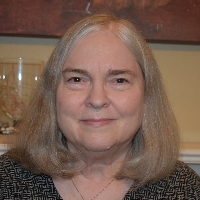
Texas · 20 yrs exp
Licensed Professional Counselor - stress and anxiety
Stress, Anxiety · Trauma and abuse · Self esteem · Depression · +12 more
Read profile
Pennsylvania · 6 yrs exp
Licensed Professional Counselor - Young adult issues
Stress, Anxiety · LGBT · Relationship · Self esteem · +15 more
Read profile
Arizona · 22 yrs exp
Licensed Professional Counselor - Young adult issues and life changes
Stress, Anxiety · Relationship · Family · Grief · +16 more
Read profile
Virginia · 14 yrs exp
Licensed Professional Counselor - Trauma and Young Adult Concerns
Trauma and abuse · Grief · Coping with life changes · Compassion fatigue · +12 more
Read profile
Nebraska · 25 yrs exp
LMHP - Young adult issues and life transitions
Stress, Anxiety · Family · Trauma and abuse · Parenting · +12 more
Read profile
Ohio · 20 yrs exp
LISW - Young adult stress and relationships
Stress, Anxiety · LGBT · Family · Grief · +16 more
Read profile
Oregon · 15 yrs exp
Licensed Professional Counselor - Young adult issues and addictions
Stress, Anxiety · Addictions · Relationship · Trauma and abuse · +12 more
Read profile
Florida · 13 yrs exp
LMHC - Young adult life and relationships
Stress, Anxiety · Relationship · Intimacy-related issues · Depression · +15 more
Read profile
Michigan · 31 yrs exp
LMSW - Young adult issues and relationships
Stress, Anxiety · Family · Trauma and abuse · Self esteem · +16 more
Read profile
California · 5 yrs exp
Licensed MFT - Relationships and Young Adult Concerns
Relationship · Grief · Parenting · Self esteem · +11 more
Read profile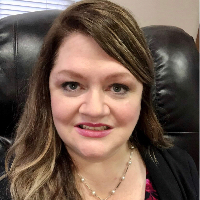
Georgia · 27 yrs exp
LPC counselor - Young adult issues and mood concerns
Stress, Anxiety · Trauma and abuse · Bipolar · Depression · +16 more
Read profile
Massachusetts · 20 yrs exp
LICSW - Stress and Life Transitions
Stress, Anxiety · Self esteem · Career · Depression · +11 more
Read profile
North Carolina · 20 yrs exp
Licensed counselor - Young adult concerns
Stress, Anxiety · Parenting · Self esteem · Depression · +15 more
Read profile
Illinois · 5 yrs exp
Illinois psychologist - stress and relationships
Stress, Anxiety · Relationship · Trauma and abuse · Depression · +12 more
Read profile
Pennsylvania · 15 yrs exp
Licensed Professional Counselor - Young adult issues
Stress, Anxiety · Relationship · Self esteem · Depression · +14 more
Read profile
Montana · 23 yrs exp
LCPC - Young adult issues and family concerns
Stress, Anxiety · Family · Trauma and abuse · Parenting · +12 more
Read profile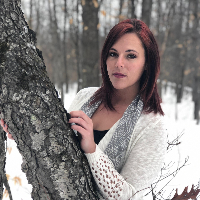
Michigan · 8 yrs exp
LMSW - Young adult and mood concerns
Stress, Anxiety · Self esteem · Career · Depression · +16 more
Read profile
Texas · 15 yrs exp
Licensed Professional Counselor - Young adult concerns
Stress, Anxiety · Grief · Self esteem · Depression · +13 more
Read profile
Texas · 17 yrs exp
LPC in Texas - Mood and life challenges
Stress, Anxiety · Addictions · Self esteem · Bipolar · +15 more
Read profile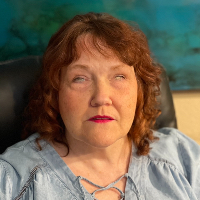
Texas · 16 yrs exp
Licensed Professional Counselor - Young adult issues
Stress, Anxiety · Family · Parenting · Bipolar · +11 more
Read profile
Oklahoma · 9 yrs exp
Licensed Professional Counselor - young adult issues
Stress, Anxiety · Anger · Self esteem · Coping with life changes · +16 more
Read profile
Mississippi · 15 yrs exp
Licensed Professional Counselor - Young adult concerns
Stress, Anxiety · Addictions · Relationship · Family · +5 more
Read profile
New York · 20 yrs exp
LMHC - Young adult issues and relationships
Stress, Anxiety · Relationship · Family · Self esteem · +15 more
Read profile
Texas · 12 yrs exp
Licensed Professional Counselor - Young adult issues and relationships
Stress, Anxiety · Addictions · Relationship · Trauma and abuse · +14 more
Read profile
Illinois · 26 yrs exp
Illinois LCPC - Young adult issues and coping skills
Stress, Anxiety · Addictions · Anger · Self esteem · +13 more
Read profile
California · 10 yrs exp
LMFT - Young adult issues and relationships
Stress, Anxiety · Addictions · Trauma and abuse · Self esteem · +15 more
Read profile
Florida · 20 yrs exp
Florida LMHC - Young adult issues and addictions
Stress, Anxiety · Addictions · Relationship · Intimacy-related issues · +14 more
Read profile
Michigan · 40 yrs exp
LMSW - Anxiety and Relationship Concerns
Stress, Anxiety · Family · Grief · Self esteem · +16 more
Read profile
Mississippi · 20 yrs exp
LPC - Anxiety and life transitions
Stress, Anxiety · Addictions · Trauma and abuse · Anger · +14 more
Read profile
North Carolina · 5 yrs exp
Licensed counselor - Young adult issues
Stress, Anxiety · Family · Trauma and abuse · Depression · +15 more
Read profile
Missouri · 8 yrs exp
Licensed counselor - Young adult and trauma concerns
Stress, Anxiety · Addictions · LGBT · Trauma and abuse · +15 more
Read profile
Florida · 10 yrs exp
LMHC in Florida - Anxiety and Relationships
Stress, Anxiety · Addictions · Relationship · Anger · +7 more
Read profile
Missouri · 19 yrs exp
Licensed counselor - Young adult issues
Stress, Anxiety · Relationship · Trauma and abuse · Depression · +14 more
Read profile
Arkansas · 18 yrs exp
Licensed Professional Counselor - anxiety and life changes
Stress, Anxiety · Family · Trauma and abuse · Depression · +15 more
Read profile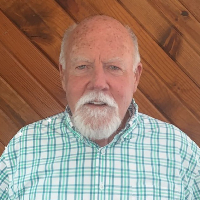
Missouri · 45 yrs exp
Dr. Michael Cundiff - LPC, stress and relationship concerns
Stress, Anxiety · Relationship · Family · Parenting · +15 more
Read profile
Vermont · 22 yrs exp
Licensed counselor - Young adult issues
Stress, Anxiety · Addictions · Relationship · Family · +12 more
Read profile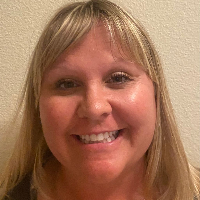
Colorado · 18 yrs exp
Licensed counselor - Young adult concerns
Stress, Anxiety · Addictions · Relationship · Self esteem · +15 more
Read profile
Pennsylvania · 30 yrs exp
Licensed Professional Counselor - Stress and Relationships
Stress, Anxiety · Trauma and abuse · Grief · Depression · +11 more
Read profile
Florida · 30 yrs exp
Dr. Douglass Lobo - LMHC, Young adult and relationship concerns
Stress, Anxiety · Family · Trauma and abuse · Parenting · +14 more
Read profile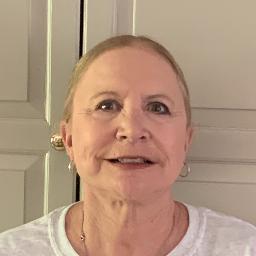
Arizona · 10 yrs exp
LMHC LPC - Young adult stress and relationships
Stress, Anxiety · Addictions · Relationship · Self esteem · +14 more
Read profile
Georgia · 10 yrs exp
Licensed Professional Counselor - Young adult and trauma concerns
Stress, Anxiety · Family · Trauma and abuse · Depression · +11 more
Read profile
Texas · 8 yrs exp
Licensed Professional Counselor - Young adult issues
Stress, Anxiety · Relationship · Family · Self esteem · +10 more
Read profile
New York · 13 yrs exp
LCSW-R - Young adult issues and life transitions
Stress, Anxiety · Trauma and abuse · Depression · Coaching · +13 more
Read profileSleep often feels like something you can reclaim when life calms down, but for many people in young adulthood it is tightly woven into daily pressures. You may be balancing study deadlines, irregular shift patterns, moving away from home, early-career demands, new relationships and finances. That combination can change how you fall asleep, how long you sleep and how rested you feel. Poor sleep can make it harder to concentrate at work or study, amplify low mood, heighten anxiety about performance and strain relationships. It can also feed a cycle of late nights, daytime naps and social comparison that leaves you feeling stuck.
When you look through profiles, remember that a therapist listing Sleeping Disorders indicates they include it among their focus areas on their profile. That listing does not by itself confirm diagnosis services or particular treatment outcomes. You might be seeking strategies to manage sleep patterns, support for anxiety that interferes with rest, or guidance on navigating the practical routines that shape sleep. Identifying what aspect you want to address first will help you compare profiles more clearly.
Sleep problems rarely exist in isolation in this life stage. You might notice that exam stress, a first full-time job, the emotional work of new relationships or the pressure of online comparison makes it harder to switch off. Conversely, inconsistent sleep can make it harder to regulate mood, make decisions about career or study and maintain daily routines. It is useful to think of sleep as part of a broader pattern rather than as a single isolated symptom.
On this site you will find therapists who list both Sleeping Disorders and young adult issues among their focus areas. That co-listing can be a starting point for conversations about how your life circumstances relate to rest and recovery. It is appropriate to ask a therapist how they usually approach sleep-related distress in people in their twenties and early thirties and whether they have experience working with the specific pressures you face. Remember that profiles vary by what a clinician chooses to highlight; the presence of a listed topic does not guarantee particular testing, medical assessment or a specific therapy pathway.
When you review profiles, concrete questions help you compare how therapists describe their work. You might ask how they typically talk about sleep with young adults, what kinds of strategies they discuss early on and how they balance practical sleep routine changes with emotional or cognitive work. It is reasonable to ask whether they have experience supporting people who are dealing with shift work, exam-related stress, relocation, or the social media pressures that can keep you awake at night.
Profiles often mention clinical approaches; for example, you may see therapists who list cognitive-behavioral approaches, mindfulness or relaxation techniques among their approaches. Those mentions are prompts to discuss with a clinician whether those options might fit your situation. Avoid assuming that a listed approach means formal certification; instead ask how the clinician integrates those ideas into sessions. Also inquire about the clinician's experience with people in your age range, and whether they focus on short-term symptom management, longer-term exploration of patterns or a combination. Clear, specific questions will help you determine how closely a profile aligns with what you are looking for.
Before you begin work with someone, plan to discuss practical matters that affect how therapy will fit into your life. If you are considering remote sessions, ask about technical expectations, what is helpful on your end to make conversations effective and how the therapist handles notes and communication between sessions. If you prefer meeting in person, check the listed location on a profile and ask about the setting where sessions take place. You should also talk about whether the therapist accepts referrals from your doctor or other services if you are seeking medical assessment or additional support for sleep-related health concerns.
If your low mood includes thoughts of self-harm or you are in crisis, contact local emergency services or a crisis line right away. A therapist’s profile can help you find someone who understands the life stage and sleep issues you face, but immediate risk requires urgent support from emergency responders or local crisis services. When it comes to ongoing care, you can also ask a therapist how they coordinate with other health professionals you might be seeing, such as a GP or specialist, and what they typically recommend discussing with those professionals about sleep, medication and assessment.
Comparing profiles means looking beyond a single phrase and reading how a clinician describes their work. Focus areas indicate topics the clinician lists, so take note of whether Sleeping Disorders appears alongside anxiety, mood concerns, substance use or relationship issues that match your situation. Consider whether a profile highlights experience with people transitioning out of education, starting new careers or managing long-distance relationships. These contextual signals can tell you how often those life-stage issues come into their practice.
When it comes to credentials, distinguish academic degrees from permissions to practice. Degrees such as PhD, PsyD, MD, MA and MSW indicate academic training. Licenses and registrations indicate legal permission to practice in particular countries or states. In the United States you will often see state licenses listed; in the United Kingdom clinicians may note registration or membership with professional bodies; in Australia clinicians may list registration or association membership. A degree alone is not the same as a current license or registration. If these details matter to you, ask for clarification on the profile or during an initial conversation.
Language and cultural fit matter. Profiles that list languages and experience with cultural contexts can be helpful if you prefer therapy in a specific language or with someone who understands particular cultural pressures. Also pay attention to how a profile describes therapeutic style - whether the clinician emphasizes practical skills, reflective exploration or a collaborative approach - and ask for examples of what a typical early conversation looks like. These comparisons will help you narrow the list of profiles that match your needs and feel like a reasonable next step to contact.
Choosing someone to talk to about sleep in young adulthood is a personal decision. Use the profiles to compare focus areas, credentials, languages, listed location and how therapists describe their style and experience. Be ready with specific questions about how they work with sleep-related concerns in people at your life stage. That clarity will make it easier to find a profile that fits the kinds of conversations and practical support you are seeking.
Alabama
124 therapists
Alaska
4 therapists
Arizona
69 therapists
Arkansas
45 therapists
Australia
237 therapists
California
396 therapists
Colorado
109 therapists
Connecticut
35 therapists
Delaware
6 therapists
District of Columbia
18 therapists
Florida
591 therapists
Georgia
189 therapists
Hawaii
14 therapists
Idaho
40 therapists
Illinois
131 therapists
Indiana
64 therapists
Iowa
30 therapists
Kansas
46 therapists
Kentucky
62 therapists
Louisiana
132 therapists
Maine
9 therapists
Maryland
108 therapists
Massachusetts
87 therapists
Michigan
273 therapists
Minnesota
100 therapists
Mississippi
63 therapists
Missouri
156 therapists
Montana
23 therapists
Nebraska
40 therapists
Nevada
24 therapists
New Hampshire
12 therapists
New Jersey
108 therapists
New Mexico
13 therapists
New York
200 therapists
North Carolina
209 therapists
North Dakota
3 therapists
Ohio
191 therapists
Oklahoma
115 therapists
Oregon
25 therapists
Pennsylvania
198 therapists
Rhode Island
13 therapists
South Carolina
156 therapists
South Dakota
18 therapists
Tennessee
87 therapists
Texas
728 therapists
United Kingdom
1773 therapists
Utah
30 therapists
Vermont
13 therapists
Virginia
77 therapists
Washington
77 therapists
West Virginia
29 therapists
Wisconsin
76 therapists
Wyoming
17 therapists