- Person-centered approach
- CBT and DBT methods
- Mindfulness practice
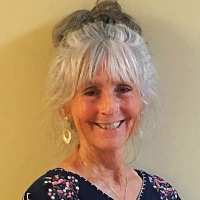
About Elizabeth
Elizabeth Chavez is an LPCC (Licensed Professional Clinical Counselor) practicing in New Mexico with 20 years of experience in mental health care. She has worked in intensive psychiatric hospitals, correctional settings, substance treatment centers, and community counseling centers. Elizabeth focuses on practical help for stress, anxiety, addictions, trauma and abuse, depression, and related concerns.
Elizabeth approaches sessions as conversations. She describes her work as person-centered - listening to what matters most to each individual and building on existing strengths. She asks about needs, goals, and obstacles, then suggests ways to move forward. The aim is to help people feel more stable and to develop tools they can use day to day.
She often combines straightforward skills training with reflective discussion. Cognitive Behavioral Therapy helps people spot unhelpful thinking and try different behaviors. Dialectical Behavior Therapy offers practical skills for managing intense emotions and relationships. Mindfulness practices are used to increase present-moment awareness and reduce reactivity.
Elizabeth has worked with issues that commonly affect young adults, such as transitions, identity questions, relationship struggles, and coping with stress. She also supports people with grief, parenting strain, ADHD, eating and sleeping concerns, and substance use challenges. Her background in varied clinical settings informs a flexible, grounded style.
When someone is ready to start, she listens first and then adapts methods to a person’s situation. Sessions aim to be clear and practical. Elizabeth helps people learn tools and take small steps so daily life feels more manageable.
How Elizabeth’s approaches translate to online work
Client-Centered Therapy means conversations that focus on the person's priorities. The therapist listens, reflects, and helps the client name goals and next steps. Cognitive Behavioral Therapy (CBT) involves identifying unhelpful thoughts and testing small behavioral changes to change how someone feels. These approaches are useful for anxiety, depression, stress, and life transitions. Dialectical Behavior Therapy (DBT) adds practical skills for managing strong emotions and for improving communication in relationships, which can help with impulsivity and intense moods.Finding the right mix of methods is part of the work. Elizabeth will collaborate with each person to decide which approach or combination fits their goals and preferences. That means trying ideas, checking what helps, and adjusting the plan over time rather than sticking to one single method.
Confirm current session options before booking because formats are not specified in her profile. Online sessions can make it easier to fit therapy into a busy day - for example by reducing travel time, allowing a shorter check-in during a work break, or avoiding the need to be on camera when that feels difficult. Licensed professionals can use these flexible options to keep momentum between sessions and to practice new skills in everyday settings.
Areas of expertise
Also works with
Additional focus areas
Therapeutic approaches
Experience
20+ years
Listed in
New Mexico
Languages
English
Frequently asked questions
What kinds of problems does she work with?
She works with stress, anxiety, addictions, trauma and abuse, depression, and related concerns including grief, relationship strain, and coping with life changes.
How would you describe her therapeutic style?
Her style is person-centered and conversational. She listens first, then offers practical skills and reflective work based on the person's needs.
How much clinical experience does she have?
She has 20 years of experience working across settings such as psychiatric hospitals, correctional facilities, substance treatment centers, and community counseling centers.
What credential does she hold and where is she located?
She is an LPCC - Licensed Professional Clinical Counselor - licensed in New Mexico and practices there.
Can I work with her if English is not my first language?
Sessions are offered in English.
Does she accept clients from other countries?
She does not accept international clients at this time.
How are session fees handled?
Cost varies with location and sessions use a subscription model that can be canceled at any time.
What do I do to get started?
Select the See online therapy options button, complete a short matching questionnaire, and schedule a first session.
Online talk therapy through BetterHelp is for adults aged 18 and over and is not emergency care. If you are in danger, use the emergency numbers. Find someone else by name.