- Stress and anxiety
- Trauma and abuse
- Attachment work
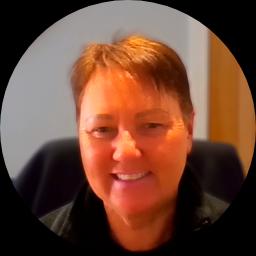
About Karen
Karen Bell is a BACP counsellor based in the United Kingdom with 18 years of experience. She focuses on stress, anxiety, addictions, relationship difficulties, trauma and abuse, depression, LGBT concerns, family and grief. Karen also works with issues such as intimacy, eating and sleeping problems, parenting strain, anger and self-esteem, and supports people coping with life changes and ADHD.
She trained as a person-centred counsellor and uses that approach alongside attachment-based work and cognitive behavioural ideas. Karen’s past roles include counselling in a GP surgery, trauma work with Someone Cares, and occupational health counselling for Northumbria Police. Those roles involved supporting people with suicidal thoughts, self-harm, child sexual abuse, workplace stress and bereavement.
In sessions she aims to listen without judgement and to focus on what the client brings. Conversations cover practical coping, patterns that keep problems going, and ways to manage symptoms day to day. She has experience helping people recognise and recover from narcissistic abuse and gaslighting.
Her practice welcomes people of any gender, sexuality, culture or religion. Karen notes particular experience of working with autistic people and with those who have ADHD, and she invites clients to explain their needs and interests up front.
She describes talking therapy as a practical route to better mental health and offers consultations by video, phone and chat. To begin, readers are asked to complete the short matching questionnaire and schedule a first session.
How Karen uses her approaches in online work
Attachment-based work looks at how past relationships affect current connections. It helps people understand why they react strongly in close relationships and supports building more secure ways of relating.Client-centred counselling puts the client's experience at the centre. It involves open listening and reflecting back what the person says to help them find their own direction and make sense of feelings.
Cognitive behavioural ideas focus on links between thoughts, feelings and actions. This approach helps with stress, anxiety, mood problems and practical skills for changing unhelpful thinking patterns.
Finding the right approach is part of the process. The therapist will talk with the client about their needs, goals and preferences and together they will decide which methods to try. Work is collaborative and reviewed as progress is made.
Please check which session formats are currently offered before booking. The original profile mentions video, phone and chat as used formats, but confirm the specific options available to you. Online sessions can make it easier to fit therapy around study, work or other commitments, allow shorter check-ins when time is tight, and remove travel time so appointments are simpler to attend.
Areas of expertise
Primary focus
Also works with
Additional focus areas
Therapeutic approaches
Experience
18+ years
Listed in
United Kingdom
Languages
English
Frequently asked questions
What kinds of problems does Karen work with?
She works with stress, anxiety, addictions, relationship problems, trauma and abuse, depression, grief and a wide range of other concerns listed in her profile.
How would she describe her therapeutic style?
She practices person-centred counselling alongside attachment-based and cognitive behavioural approaches, focusing on listening and exploring what the client brings to sessions.
How many years has she been practising?
She has 18 years of counselling experience in GP, trauma and occupational health settings.
What credential does she hold and where is she based?
She is a member of the British Association of Counsellors and Psychotherapists (BACP) and is based in the United Kingdom.
Can sessions be conducted in other languages or with international clients?
Sessions are offered in English and she does not accept international clients at this time.
What session formats are available?
The original profile mentions chat, phone and especially video as formats; please confirm the current options before booking.
How does payment and cost work?
Cost varies with location and sessions use a subscription that can be cancelled at any time.
What should I do to get started?
Select the See online therapy options button, complete a short matching questionnaire, and then schedule your first session.
Online talk therapy through BetterHelp is for adults aged 18 and over and is not emergency care. If you are in danger, use the emergency numbers. Find someone else by name.