- Trauma and abuse
- Anxiety and depression
- CBT and DBT methods
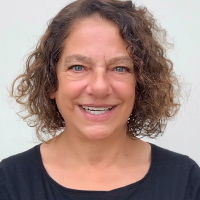
About Emily
Emily Salkever-Scott is a Licensed Professional Counselor (LPC) in Pennsylvania and a Licensed Clinical Mental Health Counselor (LCMHC) in New Hampshire with seven years of experience. She works with adults facing anxiety, depression, grief, relationship and intimacy concerns, and life transitions. She lists trauma and abuse, addictions, ADHD, and stress among her common areas of focus.
Emily uses a trauma-informed, person-centered way of working. She centers what each person wants from therapy and helps set practical goals. Sessions are focused on what is happening now and on concrete steps a person can try between meetings.
Her background includes extensive work with cognitive behavioral techniques and dialectical behavior methods. She also uses acceptance and commitment ideas and attachment-focused perspectives to help people understand patterns in relationships and emotional responses. These approaches are used to address things like avoidance, intense emotions, and difficulties with trust.
Emily frames therapy as collaborative problem-solving. She draws on motivational strategies to support change and on client-centered listening to understand each person’s priorities. That combination aims to make sessions feel focused and useful rather than vague.
She works with a broad range of concerns including career questions, parenting strain, sleep problems, and issues tied to identity such as LGBT matters. Sessions can also address complex histories like adoption, abandonment, and caregiving stress. Emily accepts international clients and conducts work in English.
How her approaches translate to online sessions
Acceptance and Commitment Therapy (ACT) helps people notice unhelpful thoughts and focus on actions that matter to them. It is often used for anxiety, depression, and problems with motivation. Cognitive Behavioral Therapy (CBT) breaks larger problems into smaller patterns of thought and behavior to try practical changes. It is commonly used for anxiety, mood, sleep, and stress-related issues.Finding the right approach is part of the work. She will collaborate with each person to choose which methods to try first based on goals and what feels useful. That process can include trying brief skills between sessions and checking what is or is not helping.
The practical benefits of online therapy include fitting sessions into a work or school day and avoiding travel time. Confirm current session options before booking so you know which formats are offered. Many people find remote sessions make it easier to keep consistent appointments and to use short check-ins when schedules are tight.
Areas of expertise
Also works with
Additional focus areas
Therapeutic approaches
Experience
7+ years
Listed in
Pennsylvania, New Hampshire
Languages
English
Frequently asked questions
What kinds of problems does she help with?
She works with anxiety, depression, grief, stress, addictions, relationship and intimacy issues, ADHD, and related concerns listed in her specialties.
What is her therapeutic style like?
She describes a trauma-informed, person-centered approach that uses practical CBT and DBT skills alongside acceptance and attachment ideas.
How much experience does she have?
She has seven years of experience working in counseling settings.
What credentials and region apply to her practice?
She holds LPC and LCMHC credentials and is located in New Hampshire; credential details include PA LPC and NH LCMHC.
Can sessions be conducted in other languages?
Sessions are offered in English.
Are international clients accepted?
Yes, she accepts international clients.
How are fees handled?
Cost varies by location and sessions use a subscription that can be canceled at any time.
What should I do to start working with her?
Select the See online therapy options button, complete a short matching questionnaire, and schedule a first session.
Online talk therapy through BetterHelp is for adults aged 18 and over and is not emergency care. If you are in danger, use the emergency numbers. Find someone else by name.