- Attachment approaches
- Cognitive behavioral work
- Emotionally focused tools
About Anne
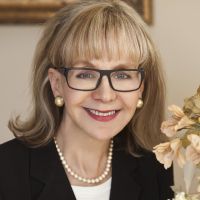
Anne Douglas is a licensed marriage and family therapist (LMFT) practicing in North Carolina with 25 years of clinical experience. She works with adults on stress, anxiety, relationship difficulties, grief, addiction, trauma and a wide range of life transitions, including career and parenting challenges. Anne also supports people dealing with mood disorders, intimacy issues, eating and sleeping problems, and compassion fatigue.
She uses a mix of relational and evidence-informed approaches in her work. Sessions often focus on understanding attachment patterns, improving communication, and developing coping skills. Cognitive and emotionally-focused ideas are used alongside narrative and Jungian perspectives when helpful.
Anne trained at Northwestern University, The Family Institute at Northwestern University, and The Institute for Psychoanalysis in Chicago. She has taught and supervised students at Lake Forest College and has been a Clinical Fellow with the American Association for Marriage and Family Therapy for over 20 years.
In practice she offers flexible contact options, including live camera sessions, live phone sessions, and email chat, plus ongoing email communication. She describes using a collaborative method that helps clients learn to advocate for themselves and make practical changes between sessions.
Her approach blends short-term problem work and deeper exploration. Practical skills, survivor-focused strategies for endings, and longer-term personal insight are all part of how she helps people move forward. For young adults facing college, early career, or relationship stress, this mix aims to address immediate problems and underlying patterns.
How her approaches translate to online work
Anne integrates attachment-based ideas, client-centered listening, and cognitive behavioral techniques in online sessions. Attachment-based work looks at how early relationship patterns shape current connections and helps people change interaction habits. Client-centered work emphasizes being listened to and building a collaborative plan the client accepts. Cognitive behavioral approaches focus on identifying unhelpful thoughts and trying practical experiments to change behavior and mood.Finding the right mix is part of the work. She will discuss options with each person and adjust methods to match goals, preferences, and what is most useful in session. This is a collaborative process rather than a fixed prescription.
The original biography lists live camera sessions, live phone sessions, and email chat sessions, plus ongoing email communication. If you want to use a particular session type, confirm current options before booking. Online sessions can make it easier to fit therapy around work or school, allow shorter phone check-ins when needed, and let people use email between sessions for brief updates or questions without waiting for the next appointment.
Areas of expertise
Primary focus
Also works with
Additional focus areas
Therapeutic approaches
Experience
25+ years
Listed in
Illinois, Michigan, North Carolina, Florida, Virginia
Languages
English
Frequently asked questions
What kinds of problems does she help with?
She works with stress, anxiety, relationship and family concerns, grief, trauma and addiction, plus life transitions like career changes and parenting challenges.
How would she describe her therapy style?
She combines relational, cognitive, and emotionally-focused methods with narrative and Jungian ideas, using both practical skills and deeper exploration.
How much clinical experience does she have?
She has 25 years of experience, including teaching and supervising students at the college level and long-term involvement with professional associations.
What credential does she hold and where is she based?
She is an LMFT licensed in Michigan and North Carolina and practices from North Carolina.
Can I work with her if I live outside the United States?
Sessions are offered in English and she is not currently accepting international clients.
What session formats are available?
The biography lists live camera sessions, live phone sessions, and email chat sessions, plus ongoing email communication; confirm current session options before booking.
How much do sessions cost?
Cost varies with location and sessions use a subscription that can be canceled at any time.
How do I get started with her?
Choose the See online therapy options button, complete a short matching questionnaire, and schedule a first session.
Online talk therapy through BetterHelp is for adults aged 18 and over and is not emergency care. If you are in danger, use the emergency numbers. Find someone else by name.