- Client-centered listening
- Cognitive behavioral tools
- Mindfulness techniques
About Sonya
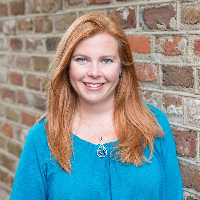
Sonya Fields is an LPC (Licensed Professional Counselor) practicing in South Carolina with 25 years of experience. She works with adults on stress, anxiety, depression, relationship and family concerns, grief, trauma and abuse, and life-change challenges. Sonya also addresses issues like ADHD, eating-related concerns, sleeping problems, career stress, and intimacy-related struggles.
She uses practical, goal-focused methods to help people move forward. Sessions focus on identifying strengths, spotting useful resources, and turning those into concrete steps. She encourages clients to test small actions and notice what helps them gain momentum.
Sonya blends client-centered listening with techniques from cognitive behavioral therapy and emotionally-focused work. She also uses mindfulness practices and motivational interviewing to support decision-making and behavior change. Those approaches are applied in a straightforward way, without jargon.
Her background includes graduate training in clinical counseling and clinical psychology, along with certifications in health and wellness coaching and mentor coaching. Over the years she has helped people with blended family challenges, caregiver stress, communication problems, divorce and separation, and first responder issues, among other concerns.
Sonya prefers a mix of phone or video sessions and some text support. The early sessions typically clarify goals, map resources, and agree on small steps to try. She works with people who want both practical structure and reflective conversation to make changes in daily life.
How therapeutic approaches are used in online sessions
Sonya combines client-centered work with cognitive behavioral techniques to support clear goals and practical change. Client-Centered Therapy means listening carefully to what matters to the client and shaping sessions around their priorities; it helps with motivation and getting unstuck. Cognitive Behavioral Therapy (CBT) focuses on identifying thought and behavior patterns that keep problems going and testing new ways of thinking and acting; it is often useful for anxiety, depression, and sleep issues.She also draws on Emotionally-Focused Therapy to help people notice and name strong emotions that affect relationships and intimacy. EFT-style work helps people understand how emotions influence their actions and how to respond differently in close relationships. The therapist will work collaboratively to decide which approaches fit best for each person's goals and preferences rather than prescribing one method up front.
Session formats should be confirmed before booking, since the biography indicates a preference for phone or video sessions plus some text support. Online sessions can make it easier to fit therapy around school, jobs, or caregiving, allow shorter check-ins when needed, and reduce travel time. Talk about scheduling, session length, and the balance of conversation and practical exercises in the first meeting so sessions can fit into everyday life.
Areas of expertise
Primary focus
Also works with
Additional focus areas
Therapeutic approaches
Experience
25+ years
Listed in
South Carolina
Languages
English
Frequently asked questions
What kinds of problems does she help with?
She works with stress, anxiety, depression, relationship and family concerns, trauma and abuse, grief, sleep problems, ADHD, eating concerns, and life transitions.
What is her therapeutic style like?
Her style is client-centered and goal-focused, combining listening with practical tools from CBT, EFT, mindfulness, and motivational interviewing.
How much experience does she have?
She has 25 years of experience as a counselor and coach working with adults on a wide range of concerns.
What are her credentials and where is she based?
She is an LPC (Licensed Professional Counselor) licensed in South Carolina and practices from that state.
Can I work with her if I live outside the US?
She accepts international clients, and sessions are offered in English.
What session formats does she use?
The biography notes a preference for phone or video sessions with some text support; confirm current session options before booking.
How does billing and cost work?
Cost varies with location and sessions use a subscription that can be canceled at any time.
How do I get started?
Select the See online therapy options button, complete a short matching questionnaire, and schedule a first session.
Online talk therapy through BetterHelp is for adults aged 18 and over and is not emergency care. If you are in danger, use the emergency numbers. Find someone else by name.