- Cognitive Behavioral Therapy
- Mindfulness practice
- Motivational interviewing
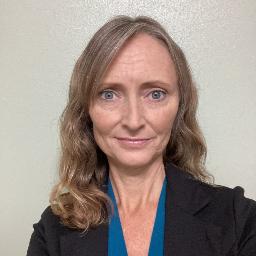
About Maggie
Maggie Johnson is an LPCC (Licensed Professional Clinical Counselor) with nine years of clinical experience based in Minnesota. She works with people facing stress, anxiety, depression, bipolar disorder, substance use, trauma and related concerns. Maggie also supports individuals dealing with relationship strain, grief, parenting stress, sleep and eating difficulties, and major life changes.
Her style is straightforward and conversational. She uses cognitive behavioral techniques to help people notice and shift unhelpful thinking and behavior. She combines this with client-centered listening so people feel heard while they try out new coping strategies.
Maggie brings mindfulness into sessions to help slow down racing thoughts and manage strong emotions like anger. She also draws on motivational interviewing to support change when people feel stuck or uncertain about next steps. Narrative ideas are used to look at the stories people tell about themselves and make space for different, more useful stories.
Sessions usually focus on practical tools that can be used between meetings. Maggie helps set clear, achievable goals and checks progress each week. She works with concerns that often arise in young adulthood, such as starting careers, relationship changes, and feeling overwhelmed by transition.
Her Minnesota LPCC credential is noted up front and informs how she practices. People who choose to meet with her can expect a collaborative approach that mixes skill-building, reflection, and brief experiments to test new ways of coping.
How Maggie uses CBT, mindfulness and client-centered work online
Client-centered therapy focuses on listening and reflecting so the person feels understood. It helps people talk through what matters to them and decide next steps at their own pace.Cognitive Behavioral Therapy (CBT) looks at the links between thoughts, feelings, and actions. It involves practical exercises and small behavioral experiments to reduce anxiety, change unhelpful routines, and improve mood.
Mindfulness therapy teaches simple attention skills to reduce rumination and reactivity. These practices can help with sleep problems, anger, and intense emotions by creating room to respond rather than react.
Finding the right mix of approaches is part of the work together. The therapist will discuss goals, try methods, and adjust plans based on what helps. This is a collaborative process where the client’s preferences guide which techniques get used.
The biography does not list specific session formats, so confirm available options before booking. Online sessions can make it easier to fit therapy into a busy week by reducing travel and allowing short check-ins when needed. Ask about session length and the practical set-up when you schedule so sessions fit your routine and goals.
Areas of expertise
Primary focus
Also works with
Additional focus areas
Therapeutic approaches
Experience
9+ years
Listed in
Minnesota
Languages
English
Frequently asked questions
What problems does she help with?
She works with stress, anxiety, depression, bipolar disorder, substance use, trauma, relationship issues, grief, sleep and eating concerns, and life transitions.
How would she approach anxiety or low mood?
She uses cognitive behavioral techniques to identify patterns of thought and behavior and mixes in mindfulness to manage intense emotions.
How much experience does she have?
She has nine years of clinical experience working with a range of concerns including trauma, substance use, and mood disorders.
What credential does she hold and where is she based?
She is an LPCC, licensed in Minnesota, and practices from that state.
Can I work with her if I don't live in the United States?
Sessions are offered in English and she is not currently accepting international clients.
What session formats are available?
Please confirm current session options before booking, as the biography does not list specific formats.
How much do sessions cost?
Cost varies by location and sessions use a subscription model that can be canceled at any time.
How do I begin a first session?
Select the See online therapy options button, complete a short matching questionnaire, and schedule a first session.
Online talk therapy through BetterHelp is for adults aged 18 and over and is not emergency care. If you are in danger, use the emergency numbers. Find someone else by name.