- Attachment-based work
- EMDR for trauma
- Mindfulness techniques
About Carole
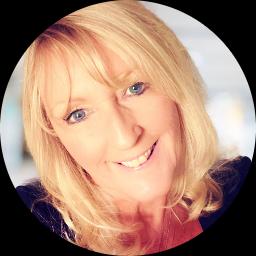
Carole Ward is a NCPS psychotherapist with 17 years of professional experience working in the United Kingdom and beyond. She works with people facing stress, anxiety, trauma and abuse, self-esteem difficulties, bipolar and mood concerns, and the pressures that come with life changes. Carole also supports people with addiction, grief, relationship and intimacy-related issues, parenting concerns and career stress.
Her background includes work in secure mental health wards, refuges, prisons, hospices, learning disability services and charities. She has provided mental health support, suicide prevention work and coaching in a variety of settings. That breadth of experience informs how she approaches different kinds of distress and practical problems.
Carole uses an approach that respects each person as the expert in their own life. She draws on attachment-based ideas to look at how early relationships shape connection and trust. Client-centred ways of working mean sessions focus on the person’s goals and what feels helpful to them.
She also uses EMDR for people with traumatic memories and mindfulness techniques to build steadiness and reduce reactivity. Motivational interviewing is used when someone wants to change behaviours but feels stuck.
Carole asks questions and listens for strengths people already have. She combines practical discussion with reflective conversation so people can make clearer choices. To start, a short matching questionnaire is completed and a first session is scheduled.
How therapeutic approaches translate to online work
Carole uses attachment-based work, client-centred techniques and EMDR as core tools. Attachment-based work looks at how early relationships influence current patterns and helps people change how they relate to others and themselves. Client-centred methods focus sessions on the person’s aims, using listening and reflection to help them clarify choices and priorities. EMDR is a structured approach used with traumatic memories to reduce their intensity and the distress they cause.Finding the right approach is part of the process. Carole will talk through options and decide together which methods fit the person’s needs, goals and preferences. She balances practical steps with reflective conversation so clients can test what works for them.
The original biography notes online, telephone and in-person work across the UK and beyond, so confirm the current session options before booking. Online work can make it easier to fit sessions into study, work or busy days, and telephone sessions can offer a simpler check-in when shorter contact is needed. Registered or accredited professionals can adapt exercises and EMDR protocols for remote formats, and the therapist will explain how a chosen approach will be delivered during the first session.
Areas of expertise
Primary focus
Also works with
Additional focus areas
Therapeutic approaches
Experience
17+ years
Listed in
United Kingdom
Languages
English
Frequently asked questions
What kinds of problems does she help with?
She supports people with stress, anxiety, trauma and abuse, self-esteem, bipolar and mood concerns, addictions, grief, relationship and intimacy issues, parenting and career challenges.
What is her style in sessions?
Sessions combine client-centred listening with attachment-based reflection. Carole also uses EMDR, mindfulness and motivational interviewing depending on the issue.
How much experience does she have?
Carole has 17 years of professional experience working in a range of settings including wards, refuges, prisons, hospices and charities.
What are her credentials and where is she based?
She is NCPS accredited and registered, and works from the United Kingdom.
Can sessions be done in other languages or from abroad?
Sessions are offered in English and international clients are accepted.
What session formats are available?
The biography mentions online, telephone and in-person work across the UK and beyond; confirm the current session options before booking.
How much do sessions cost?
Cost varies with location and sessions use a subscription model that can be cancelled at any time.
How do I get started?
Select the See online therapy options button, complete a short matching questionnaire, and schedule a first session.
Online talk therapy through BetterHelp is for adults aged 18 and over and is not emergency care. If you are in danger, use the emergency numbers. Find someone else by name.