- Attachment-based work
- CBT and DBT skills
- Mindfulness practices
About Shemica
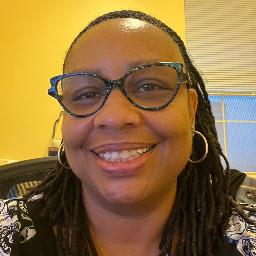
Shemica Cole is a Licensed Independent Clinical Social Worker (LICSW) practicing in the District of Columbia with 24 years of experience. She helps adults who are dealing with stress, anxiety, depression, relationship strain, trauma, substance concerns, and life changes. She also addresses issues such as ADHD, grief, intimacy concerns, career stress, parenting challenges, and identity questions related to LGBT experiences.
She uses approaches that include attachment-based work, client-centered methods, cognitive behavioral techniques, dialectical behavior strategies, and mindfulness practices. Sessions focus on clear, practical steps. Conversations identify what feels stuck and which small changes might make daily life easier.
In early adulthood many problems are tied to transitions - leaving home, new jobs, school, money worries, or shifts in relationships. Shemica helps people name those pressures and map out manageable ways forward. She draws on skills training and reflective conversations to build day-to-day coping tools.
Her style is direct and personable. She mixes practical skill-building with attention to how relationships and early attachment shape current patterns. Humor may be used alongside straightforward goal-setting to keep work grounded and useful.
People seeking support are invited to consider what they want to change and what a reasonable first step might look like. To begin, prospective clients follow the platform process to match and schedule an initial session.
Therapeutic methods and working online
Attachment-based work focuses on how early relationships shape present patterns. It helps people understand why they react the way they do in close relationships and offers ways to try new responses. Cognitive Behavioral Therapy (CBT) looks at thoughts, feelings, and actions. It uses practical exercises to change patterns that contribute to anxiety, depression, or stress.Finding the right approach is part of the work. The therapist will collaborate with each person to decide which methods fit their goals, needs, and preferences. That might mean combining skill practice with reflective conversation and trying different techniques over the first few sessions.
The biography does not list specific online formats, so confirm available session types before booking. Online sessions can make it easier to fit therapy into a busy schedule, allow shorter check-ins when needed, and reduce travel time around classes or work. These practical benefits often help people maintain consistency and put new skills into use between meetings.
Areas of expertise
Primary focus
Also works with
Additional focus areas
Therapeutic approaches
Experience
24+ years
Listed in
District of Columbia
Languages
English
Frequently asked questions
What kinds of problems does she address?
She works with adults facing stress, anxiety, depression, relationship and parenting concerns, trauma and abuse, addictions, grief, ADHD, and related issues.
How would she approach my concerns?
She uses attachment-based methods, client-centered conversation, CBT and DBT techniques, and mindfulness to develop practical coping skills and clearer patterns of relating.
How much experience does she have?
She has 24 years of experience as a licensed clinical social worker practicing in the District of Columbia.
What credential does she hold and where does she practice?
She is a LICSW (Licensed Independent Clinical Social Worker) working in the District of Columbia.
Can I work with her if I live outside the United States?
International clients are accepted; sessions are offered in English.
What session formats are offered?
The original biography does not specify session formats, so confirm current online session options before you book.
How much do sessions cost?
Costs vary with location; sessions use a subscription that can be canceled at any time.
How do I get started?
Select the See online therapy options button, complete the short matching questionnaire, and schedule a first session.
Online talk therapy through BetterHelp is for adults aged 18 and over and is not emergency care. If you are in danger, use the emergency numbers. Find someone else by name.