- Stress and anxiety
- Trauma and grief
- CBT and DBT methods
About Pamela
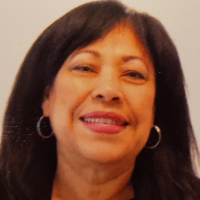
Dr. Pamela Vernon Stewart is a Licensed Clinical Professional Counselor (LCPC) practicing in Illinois with 24 years of experience. She works with adults on stress, anxiety, depression, trauma and abuse, relationship concerns, substance use, grief, and other early-adult pressures such as career and identity questions.
She trained at Loyola University and the Illinois School of Professional Psychology, and has worked in hospitals, residential facilities, and outpatient clinics. Her background includes clinical work with people facing chronic illness, addiction, grief, and identity-related stress. She also has experience with college-related problems and ADHD concerns among adults.
Her approach blends client-centered work with practical techniques. She uses cognitive behavioral strategies to address unhelpful thoughts and behavior. She also draws on dialectical behavior therapy skills for intense emotions and on emotionally-focused methods for relationship and intimacy issues.
Dr. Stewart has clinical training and experience with Eye Movement Desensitization and Reprocessing (EMDR) for trauma-related concerns. Sessions typically include talking through current problems, developing skills for regulation, and practicing new ways of coping between meetings.
She emphasizes assessment that considers the whole person - mind, body, and life circumstances - and collaborates with each person to set practical goals. People who are juggling transitions such as leaving home, starting work, or returning to school may find her focus on real-world strategies useful.
How her approaches translate to online work
Client-Centered Therapy focuses on listening and understanding the person’s perspective and goals. Online sessions using this approach tend to prioritize reflective conversation and setting practical goals for daily life. Cognitive Behavioral Therapy, or CBT, looks at how thoughts, feelings, and actions interact and teaches concrete skills to change unhelpful patterns. It works well for anxiety, depression, stress, and early adult concerns like work or school pressures. Dialectical Behavior Therapy, DBT, emphasizes skills for emotion regulation, distress tolerance, and clearer communication. These skills can be taught and practiced during sessions and reinforced between meetings.Finding the best approach is a collaborative process. The therapist will discuss goals, try methods that match those goals, and adjust strategies based on what helps. Clients are part of deciding which combination of approaches feels most useful for their situation.
Session formats are not specified in the biography, so confirm current options before booking. Online work can make it easier to fit therapy into a busy schedule, allow shorter check-ins when needed, and avoid travel time. It also lets people use visual or written tools during sessions and practice interpersonal skills in real time without changing daily routines.
Areas of expertise
Primary focus
Also works with
Additional focus areas
Therapeutic approaches
Experience
24+ years
Listed in
Illinois
Languages
English
Frequently asked questions
What problems does she help with?
She works with stress, anxiety, depression, trauma and abuse, substance use, relationship and intimacy concerns, grief, career stress, ADHD, and related issues.
What is her general therapeutic style?
Her work is collaborative and client-centered, blending cognitive behavioral, dialectical behavior, and emotionally-focused techniques to address thoughts, emotions, and relationships.
How much clinical experience does she have?
She has 24 years of professional experience across hospital, residential, and outpatient settings.
What credentials and location apply?
She is an LCPC licensed in Illinois and practices there.
Can someone who speaks another language work with her?
Sessions are offered in English.
Does she work with international clients?
She does not accept international clients at this time.
How are sessions paid for?
Cost varies by location and sessions use a subscription that can be canceled at any time.
How do I begin the process?
Choose the See online therapy options button, complete a short matching questionnaire, and schedule a first session.
Online talk therapy through BetterHelp is for adults aged 18 and over and is not emergency care. If you are in danger, use the emergency numbers. Find someone else by name.