- Stress and anxiety
- Relationships and intimacy
- CBT and attachment work
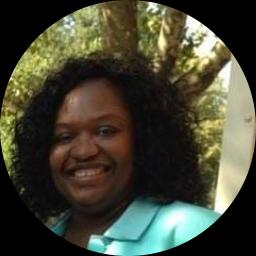
About Florence
Prof. Florence Chichester is a New York LMHC with 15 years of clinical work. She focuses on stress, anxiety, relationship problems, depression, addictions, trauma and abuse, grief, self-esteem, and other challenges young adults often face.
She helps people who are coping with life changes such as leaving home, starting careers, relationship shifts, or struggles with identity. Sessions are practical and conversational. Florence uses approaches that pay attention to attachment, emotions, and thoughts to help people get unstuck.
Her style draws on client-centered work that listens for what matters most to each person. She also uses cognitive behavioral techniques to spot patterns of thinking that feed anxiety or low mood. Emotionally focused elements are used when relationship or intimacy issues are central concerns.
Florence has worked with people facing workplace stress, parenting challenges, chronic illness, and caregiving strain. She also addresses areas like body image, ADHD-related struggles, commitment and communication problems, and grief after loss. Her practice includes attention to multicultural and life-stage matters that affect decisions and identity.
Sessions emphasize clear goals and steps you can try between meetings. She encourages practical strategies for sleeping, eating, managing anger, and balancing work and relationships. To begin, users follow the site process to match and schedule an initial appointment.
How her approaches translate to online work
Florence uses Client-Centered Therapy and Cognitive Behavioral Therapy (CBT) in ways that fit remote sessions. Client-Centered Therapy focuses on listening and reflecting so clients can clarify what matters to them and set their own goals. CBT involves noticing thought and behavior patterns and practicing small, concrete experiments between meetings to reduce anxiety or low mood.She may also bring elements of Attachment-Based or Emotionally-Focused work into online sessions when relationship patterns are important. Figuring out which approach suits a person is collaborative; the therapist and client review goals, preferences, and responses to early sessions and adjust the plan together.
Session formats are not specified in the biography, so confirm current options before booking. Online work can make it easier to fit therapy around study, first jobs, and busy schedules. It can also allow shorter check-ins, reduce travel time, and make it simpler to continue work during life changes while keeping therapy consistent.
Areas of expertise
Primary focus
Also works with
Additional focus areas
Therapeutic approaches
Experience
15+ years
Listed in
New York
Languages
English
Frequently asked questions
What kinds of problems does she help with?
She works with stress, anxiety, depression, relationship and family concerns, addictions, trauma, grief, self-esteem, and related issues listed in her profile.
What is her general therapy style?
Her approach is conversational and goal-focused, combining client-centered listening with cognitive and emotionally focused techniques to address thoughts, feelings, and attachment patterns.
How much clinical experience does she have?
She has 15 years of experience practicing as a mental health professional in New York.
What are her credentials and where is she based?
She is an LMHC and practices in New York; the credential is listed as NY LMHC.
Does she work in languages other than English?
Sessions are offered in English.
Can people outside the United States work with her?
She is not accepting international clients at this time.
How are sessions scheduled and what about cost?
Cost varies with location and sessions use a subscription that can be canceled at any time.
How do I start a first session?
Select the See online therapy options button, complete a short matching questionnaire, and schedule a first session.
Online talk therapy through BetterHelp is for adults aged 18 and over and is not emergency care. If you are in danger, use the emergency numbers. Find someone else by name.