- Stress and anxiety
- Relationships and intimacy
- CBT and client-centered
About Leslie
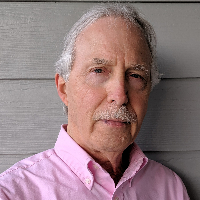
Dr. Leslie "Les" Netland is an Oregon psychologist with 30 years of clinical experience. He works with people dealing with stress, anxiety, depression, relationship and intimacy concerns, addictions, trauma and loss, and issues related to identity and transition including LGBT matters and ADHD.
Les trained through a sequence of undergraduate and professional programs and earned a doctorate in clinical psychology. He has worked in state hospitals, county jails, nursing homes, private psychiatric hospitals, employee assistance programs, and several private practices. That background gave him experience with many kinds of problems and life stages.
His practice focuses now on adults in their late teens and older. He approaches therapy as a chance for people to learn about themselves and their relationships. Sessions involve talking through thoughts, moods, and behaviors and learning concrete skills to change what is within a person's control.
Les uses a mix of approaches and will explain how each may help. He describes his role as teacher, analyst, and facilitator who offers perspective and practical skill building. He also pays attention to cultural factors and to obstacles that come up while doing this work.
People can expect straightforward conversation, moments of reflection, and exercises aimed at building skills for everyday life. He helps people weigh options, address patterns that cause repeated problems, and practice new ways of coping and relating.
Approaches used in remote sessions and how they help
Client-centered therapy focuses on the client's own goals and experiences. It involves listening closely, reflecting what the person says, and helping them clarify what matters to them. This approach can help with self-doubt, identity questions, and relationship choices.Cognitive behavioral therapy (CBT) looks at how thoughts, feelings, and behaviors interact. It uses practical exercises to test and change unhelpful thinking and behavior patterns. CBT is often useful for anxiety, depression, stress, and coping with life transitions.
Finding the right approach is part of the work. The therapist will discuss options and help you choose methods that fit your needs, goals, and preferences. That choice is approached collaboratively and can change as progress is made.
Confirm the therapist's current session options before booking, since formats are not specified in the biography. Online sessions can make it easier to fit therapy into a busy schedule, shorten travel time, or allow a quieter check-in during a lunch break. Phone sessions usually require less bandwidth and can be better for brief check-ins, while video sessions let a therapist and client use facial and verbal cues during conversation.
Areas of expertise
Primary focus
Also works with
Additional focus areas
Therapeutic approaches
Experience
30+ years
Listed in
Oregon
Languages
English
Frequently asked questions
What kinds of concerns does he help with?
He works with stress, anxiety, depression, addictions, trauma and abuse, grief, relationship and intimacy issues, LGBT concerns, ADHD, and related life changes.
What is his approach or style in sessions?
He blends client-centered methods with cognitive behavioral and solution-focused ideas, plus psychodynamic and mindfulness elements when useful. Sessions emphasize learning, reflection, and skill building.
How much clinical experience does he have?
He has 30 years of clinical experience working in hospitals, jails, nursing homes, EAPs, and private practices.
What are his credentials and where is he based?
He practices in Oregon as OR Psychologist 3296 and holds a doctorate in clinical psychology.
Does he offer sessions in other languages or to international clients?
Sessions are offered in English. He does not accept international clients at this time.
What session formats are available?
Please confirm current session options before booking, as the biography does not list specific formats.
How are fees handled?
Cost varies with location; sessions use a subscription that can be canceled at any time.
How do I get started if I want to work with him?
Select the See online therapy options button, complete the short matching questionnaire, and schedule a first session.
Online talk therapy through BetterHelp is for adults aged 18 and over and is not emergency care. If you are in danger, use the emergency numbers. Find someone else by name.