- Person-centred approach
- Attachment focus
- Mindfulness practice
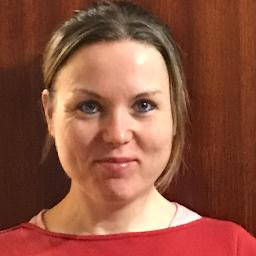
About Eva
Eva Vass is a counsellor with a Level 4 diploma in therapeutic counselling and three years' experience. She is an individual member of the BACP. She works with stress, anxiety, relationship difficulties, trauma and abuse, self-esteem and depression, and lists young adult issues among her focus areas.
Eva uses a person-centred way of working as her base. She aims to listen deeply and respond from a place of understanding rather than giving quick fixes. Clients set the direction of sessions while she offers steady, non-directive support and clear boundaries.
She blends other approaches when helpful. That can include psychodynamic ideas to look at past events and attachment patterns, and cognitive-behavioural techniques to map how thoughts, feelings and behaviours connect. Mindfulness and emotionally-focused ideas also feature when they fit a person’s concerns.
Her background includes workshops on safeguarding children and young people, LGBTQ terminology and pronouns, supporting young people with eating disorders, gender and sexuality, and a certificate in online and telephone counselling. She follows the BACP Code of Ethics as an individual member.
Eva has worked with people experiencing anxiety, depression, self-harm, low self-esteem, neurodiversity needs, suicidal thoughts, transgender issues, childhood trauma, codependency, eating disorders and relationship problems. She supports people exploring identity, life transitions and the pressures common in early adulthood.
If someone wants to try counselling with her they begin by completing the site matching questionnaire and then scheduling a first session. Costs vary with location and sessions use a subscription that can be cancelled at any time.
How her approaches translate to online counselling
Attachment-Based work focuses on patterns in relationships and how early bonds influence current connections. Online sessions can be used to notice how clients describe attachment wounds and practise different ways of relating to oneself and others. Client-Centred therapy is about listening and following the client's lead; online appointments keep that pace and space so the person sets topics and tempo. Emotionally-Focused ideas help people name and work with strong feelings in session, which can reduce overwhelm and clarify what a relationship or situation means to them.Finding the right approach is part of the work. The counsellor and client explore goals, preferences and how someone responds to different methods. Decisions about which ideas to use are made together rather than imposed by the therapist.
The biography lists a certificate in online and telephone counselling but does not state all session formats. Please confirm the current options before booking. Online work can make it easier to fit sessions into study or work days, allow shorter check-ins when needed, or avoid travel. It also means people can join from different locations, which is useful for those living abroad or moving between places.
Areas of expertise
Primary focus
Also works with
Additional focus areas
Therapeutic approaches
Experience
3+ years
Listed in
United Kingdom
Languages
English
Frequently asked questions
What kinds of concerns does she work with?
She works with stress, anxiety, relationship and intimacy issues, trauma and abuse, self-esteem, depression, LGBT matters, grief and many young adult concerns such as career and identity.
What is her style of therapy like?
Her base is person-centred counselling where the client leads and she listens deeply. She also draws on attachment, psychodynamic, mindfulness and CBT ideas when appropriate.
How much experience does she have?
She has three years of experience working with adults and young people on issues including anxiety, depression, self-harm, neurodiversity and relationship problems.
What are her credentials and where is she based?
She holds a Level 4 diploma in therapeutic counselling and is an individual member of the BACP. She practises from the United Kingdom.
Can I work with her if I live outside the UK?
Sessions accept international clients. Sessions are offered in English.
What session formats are offered?
The original biography notes a certificate in online and telephone counselling but does not list formats explicitly here. Please confirm current session options before booking.
How much do sessions cost?
Cost varies with location and the service uses a subscription model that can be cancelled at any time.
How do I get started?
Select the See online therapy options button, complete the short matching questionnaire and then schedule a first session.
Online talk therapy through BetterHelp is for adults aged 18 and over and is not emergency care. If you are in danger, use the emergency numbers. Find someone else by name.