- Acceptance and Commitment Therapy
- Cognitive Behavioral Therapy
- Relationship focus
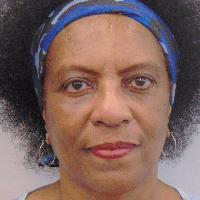
About Ednina
Ednina Welters is an Illinois Licensed Clinical Professional Counselor (LCPC) with 11 years of clinical experience. She helps people cope with stress, anxiety, depression, relationship and family concerns, addiction, grief, ADHD, bipolar disorder, and life transitions that commonly affect young adults.
Her work emphasizes a person-centered foundation. That means she treats conversations as a collaborative effort and listens for each person’s goals before suggesting steps forward. She blends Client-Centered Therapy with cognitive-behavioral skills to address thoughts and behaviors that create distress.
Ednina uses Acceptance and Commitment Therapy ideas to help people notice difficult feelings and choose meaningful actions. She also draws on Dialectical Behavior Therapy skills for emotional regulation and the Gottman Method for relationship work when relevant. These approaches are used in practical, everyday terms rather than jargon.
In sessions she focuses on clear goals and concrete skills. That might mean practicing new ways to communicate, breaking tasks into manageable steps, changing unhelpful thinking patterns, or learning grounding and emotion-regulation techniques. She encourages short-term goals alongside longer-term planning for school, work, and relationships.
Ednina has experience across a wide range of concerns, including trauma, substance issues, and identity questions. She works in English and practices in Illinois. To begin, people are invited to choose an online therapy option, complete a brief matching questionnaire, and schedule a first session.
How her approaches translate to online work
Ednina integrates Acceptance and Commitment Therapy, Cognitive Behavioral Therapy, and Client-Centered techniques into her online work. ACT helps people notice painful thoughts and feelings and then choose actions that match their values, which can be useful for anxiety, avoidance, and life changes. CBT focuses on identifying and shifting unhelpful thoughts and behaviors, often using practical exercises and homework to build new habits. Client-Centered Therapy emphasizes listening, collaboration, and setting goals together so sessions stay focused on what matters most to the client.Choosing the right approach is part of the early work. She will discuss your needs, goals, and preferences and suggest which methods to try. That decision is collaborative and can change as progress is made or goals shift.
The practical benefits of online sessions include fitting therapy into a busy schedule, reducing travel time, and allowing brief check-ins when needed. Because the original biography does not list specific session formats, confirm which formats are offered before booking. Online work can make it easier to continue consistent sessions during school terms, job changes, or other life transitions, and the therapist will help plan how therapy fits into everyday routines.
Areas of expertise
Primary focus
Also works with
Additional focus areas
Therapeutic approaches
Experience
11+ years
Listed in
Illinois
Languages
English
Frequently asked questions
What kinds of problems does she help with?
She works with stress, anxiety, depression, addictions, relationship and family concerns, grief, bipolar disorder, ADHD, and related issues.
What is her therapy style like?
She uses a person-centered approach combined with cognitive-behavioral techniques, ACT, DBT skills, and elements of the Gottman Method for relationship work.
How much experience does she have?
She has 11 years of clinical experience working with a range of concerns and populations.
What are her credentials and where does she practice?
She is an Illinois Licensed Clinical Professional Counselor (LCPC) and practices in Illinois.
Does she offer sessions in other languages or to international clients?
Sessions are offered in English. International clients are not currently accepted.
What session formats does she provide?
Please confirm current session format options before booking, as the biography does not list specific formats.
How is cost handled for sessions?
Cost varies by location and sessions use a subscription that can be canceled at any time.
How do I start working with her?
Select the See online therapy options button, complete a short matching questionnaire, and schedule a first session.
Online talk therapy through BetterHelp is for adults aged 18 and over and is not emergency care. If you are in danger, use the emergency numbers. Find someone else by name.