- Client-Centered Therapy
- Cognitive Behavioral Therapy
- EMDR for trauma
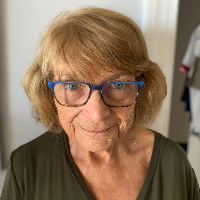
About Deborah
Deborah Hilyard is a Florida LMHC with 34 years of clinical experience. She earned a graduate degree in counseling from the University of Memphis in 1988 and has spent decades working in varied settings, including military family centers and the foster care system. Deborah helps people with stress, anxiety, trauma and abuse, depression, relationship and parenting concerns, and many other life challenges.
Early in her career she helped design a transitional program for service members leaving the military and later provided mental health counseling for service members and their families. She has assessed children in foster care and worked with survivors of emotional, physical, and sexual abuse. That background underpins her practical approach to common problems like anger, career difficulties, and work-related stress.
Her style centers on listening and a conversational, interactive way of working. Sessions usually focus on clear steps people can try between meetings. She combines client-centered work with cognitive-behavioral techniques, EMDR for trauma-related histories, mindfulness practices, and motivational interviewing when change is a goal.
Deborah frames therapy as a collaborative process. She helps people set realistic goals and chooses methods that fit the concern and the person. For many clients this means learning coping skills, shifting unhelpful thinking patterns, and practicing gentle attention to emotions.
She works with a broad range of issues including addictions, ADHD, grief, intimacy-related concerns, eating and sleeping problems, career and self-esteem issues, and compassion fatigue. Sessions are conducted in English and Deborah practices in Florida as an LMHC.
How Deborah uses talking therapy and targeted methods online
Deborah draws on client-centered work, cognitive-behavioral therapy, and EMDR in her practice. Client-centered work means listening closely and shaping sessions around the person’s concerns, which helps when people feel overwhelmed or uncertain about next steps. Cognitive-behavioral therapy focuses on identifying unhelpful thought patterns and testing practical behavior changes to reduce anxiety and low mood. EMDR is used with trauma-related histories and involves structured processing of distressing memories alongside guided eye movements or other bilateral stimulation to reduce their intensity.Choosing the right approach is collaborative. Deborah will talk with each person about goals, try methods that seem to fit, and adjust based on how the work progresses. The plan is made together rather than prescribed in advance.
The practical benefits of online sessions include fitting therapy into a busy schedule and reducing commute time. Online work can make it easier to have shorter check-ins during a break, avoid video when that’s preferable, or keep therapy consistent while changing jobs or moving. Confirm the current session formats before booking so you know whether video, phone, or other options are offered.
Areas of expertise
Primary focus
Also works with
Additional focus areas
Therapeutic approaches
Experience
34+ years
Listed in
Florida
Languages
English
Frequently asked questions
What kinds of problems does she help with?
She works with stress, anxiety, trauma and abuse, depression, relationship and parenting concerns, addiction, ADHD, grief, and related life changes.
How would she describe her therapeutic style?
Her approach is conversational and interactive, focusing on listening, practical steps, and techniques drawn from client-centered work, CBT, EMDR, mindfulness, and motivational interviewing.
How much experience does she have?
Deborah has 34 years of experience in counseling, including work with military families and in the foster care system.
What are her credentials and where does she practice?
She is a Florida LMHC and practices in Florida.
Can I work with her if I'm not in the United States?
Sessions are offered in English and she is not accepting international clients at this time.
What session formats are available?
Session formats are not specified here; please confirm the current session options before booking.
How much do sessions cost?
Cost varies with location; sessions use a subscription that can be canceled at any time.
How do I get started with her?
Click the See online therapy options button, complete a short matching questionnaire, and schedule a first session.
Online talk therapy through BetterHelp is for adults aged 18 and over and is not emergency care. If you are in danger, use the emergency numbers. Find someone else by name.