- Anxiety management
- Relationship skills
- Mindfulness practice
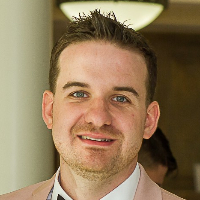
About Braden
Braden Cary is a Licensed Professional Counselor (LPC) in Oklahoma with 11 years of experience. He works with adults facing common life stresses and emotional struggles, including anxiety, depression, trauma and grief. Braden also lists support for relationship concerns, bipolar disorder, addictions, LGBT issues, ADHD, and a range of other life changes.
Before private practice he worked in schools, universities, hospitals, and outpatient clinics. That variety shaped a practical way of working. He draws on short-term, skills-based methods alongside longer conversations about values and life meaning.
Sessions focus on clear goals and everyday skills. Clients spend time identifying what is most important to them. They learn grounding, mindfulness, and behavioral tools that can reduce overwhelm and improve daily routines like sleep and eating.
Braden uses Acceptance and Commitment Therapy, Dialectical Behavior Therapy techniques, existential ideas, the Gottman Method for relationship work, and mindfulness practices. He combines these approaches, choosing what fits each person's concerns and preferences.
His manner is direct and social, with room for humor and frank talk. He aims to reduce the pressure of trying to appear perfect and to help people regain a sense of control. Adults who are juggling early career, relationship, or identity challenges may find this style practical and relatable.
How Braden’s approaches translate to online sessions
Acceptance and Commitment Therapy (ACT) helps people clarify their values and commit to small actions that match those values. It’s useful when life feels directionless or when painful thoughts get in the way of doing what matters. Dialectical Behavior Therapy (DBT) brings concrete skills for managing intense emotions, improving distress tolerance, and strengthening interpersonal effectiveness. It is often used for overwhelming anxiety, anger, or relationship conflict. Mindfulness practice trains attention and simple breathing or noticing exercises to reduce reactivity and improve sleep and focus.Finding the right mix of approaches is a collaborative process. The therapist will talk with the client about goals, try out methods, and adjust based on what helps. That means sessions can emphasize skills practice one week and values-based reflection the next, depending on what the person needs.
Session logistics should be confirmed before booking since formats are not specified here. Many people find online sessions easier to fit into work or school breaks, reduce travel time, and allow shorter check-ins when needed. If a quieter setting, less visual bandwidth, or a shorter meeting would help, mention that when scheduling so options can be discussed and planned.
Areas of expertise
Primary focus
Also works with
Additional focus areas
Therapeutic approaches
Experience
11+ years
Listed in
Oklahoma
Languages
English
Frequently asked questions
What kinds of problems does he help with?
He works with stress, anxiety, depression, trauma and grief plus relationship concerns, bipolar disorder, addictions, ADHD, and related life changes.
What is his therapeutic style like?
He uses a social, straightforward approach that mixes skills practice with deeper conversation about values and meaning.
How much experience does he have?
He has 11 years of clinical experience in community settings such as schools, hospitals, and outpatient clinics.
What credential and location are listed?
He is an LPC licensed in Oklahoma and practices as a counselor in that state.
Which languages and international options are supported?
Sessions are offered in English and he accepts international clients.
What session formats are offered?
Please confirm current session options before booking since formats are not specified here.
How does billing or cost work?
Cost varies with location and sessions use a subscription that can be canceled at any time.
How do I begin working with him?
Select the See online therapy options button, complete a short matching questionnaire, and schedule a first session.
Online talk therapy through BetterHelp is for adults aged 18 and over and is not emergency care. If you are in danger, use the emergency numbers. Find someone else by name.