- Motivational interviewing
- Cognitive behavioral therapy
- Mindfulness therapy
About Annette
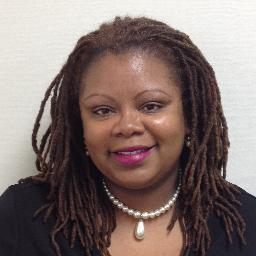
Dr. Annette Solomon is a Michigan psychologist with 21 years of clinical experience. She works with adults on concerns such as addiction, trauma, depression, anxiety, relationship and intimacy issues, grief, ADHD, and stress related to life transitions.
Dr. Solomon trained in clinical psychology and earned a doctorate from Wright State University School of Professional Psychology. She has worked with people facing chronic medical conditions, including HIV/AIDS and other long-term illnesses, and has experience collaborating with medical teams and veteran-serving services.
Her sessions focus on clear, practical conversations about what is happening now. She uses problem-focused strategies and motivational interviewing to support change. Cognitive-behavioral techniques are used to map thoughts and behaviors and try small experiments that can make life feel more manageable.
People meet to set concrete goals and track progress from session to session. Discussions can include coping with career and financial pressure, the strain of parenting or blended family dynamics, and managing sleep or anger problems. She also addresses issues like codependency, substance use, and chronic pain adjustments.
Dr. Solomon blends client-centered listening with evidence-informed tools so people can decide what to try. She documents plans and revisits them as needs shift. For young adults this can mean practical steps for starting a career, handling relationship transitions, or coping with feeling behind peers.
Approaches to work with online
Client-centered therapy focuses on listening and building a working relationship so clients can explore what matters most. It helps with decision points, identity questions, and feeling stuck. Cognitive behavioral therapy (CBT) looks at how thoughts and behaviors keep problems going and uses concrete exercises to change patterns. It can help with anxiety, depression, sleep, and managing impulsivity.Finding the right approach is part of the process. The therapist will work with clients to decide which methods fit their goals and preferences. That collaborative step includes checking what feels useful and adjusting plans as issues evolve.
The practical benefits of working online can include fitting sessions into a busy schedule and keeping continuity when life is changing. Because specific session formats are not listed in the biography, confirm the available online options before booking. Discussing what works best for your day-to-day life - for example shorter check-ins during a work break or camera-off conversations when that helps - is part of planning sessions together.
Areas of expertise
Primary focus
Also works with
Additional focus areas
Therapeutic approaches
Experience
21+ years
Listed in
Michigan
Languages
English
Frequently asked questions
What kinds of concerns does she work with?
She works with addictions, trauma and abuse, grief, depression, anxiety, relationship and intimacy issues, ADHD, stress, and related life changes.
What is her therapeutic style like?
She combines client-centered listening with motivational interviewing and cognitive-behavioral techniques to set goals and try practical changes.
How much clinical experience does she have?
She has 21 years of professional experience since completing doctoral training in clinical psychology.
What credential does she hold and where is she based?
She is listed as MI Psychologist 6301013313 and practices in Michigan.
Are sessions offered in other languages or to international clients?
Sessions are offered in English and she does not accept international clients at this time.
What session formats are available?
Please confirm current session options before booking, as the profile does not list specific formats.
How does payment work and what does it cost?
Cost varies by location and sessions use a subscription that can be canceled at any time.
How do I start a first appointment?
Select the See online therapy options button, complete the short matching questionnaire, and schedule a first session.
Online talk therapy through BetterHelp is for adults aged 18 and over and is not emergency care. If you are in danger, use the emergency numbers. Find someone else by name.