- CBT methods
- Attachment work
- Emotion-focused care
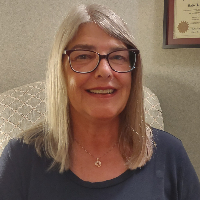
About Robin
Robin Marraccini is an Ohio Licensed Independent Social Worker (LISW) with 20 years of experience. She works with adults on stress, anxiety, grief, depression, relationship concerns, trauma and abuse, career questions, parenting challenges, and life changes. Robin also addresses issues such as self-esteem, anger, intimacy-related concerns, and compassion fatigue.
Robin listens first and then talks through what brought a person to therapy. Sessions include practical tools and ways to move forward. She uses straightforward conversations and will address difficult topics directly when needed.
Her work draws on client-centered principles and cognitive behavioral ideas alongside attachment-based and emotion-focused approaches. She uses methods from dialectical behavior therapy and related therapies as appropriate. The focus is on skills people can use day to day to manage feelings and behavior.
Robin has long experience helping people through life transitions like divorce, aging, and health changes. She also supports people coping with adoption and foster care histories, caregiver stress, chronic illness and chronic pain, and loss related to cancer or other life events.
Her style is calm and relaxed, and sessions are structured around each person’s needs. Robin encourages active participation so clients can try new ways of coping, make different choices, and work toward their goals.
How her approaches translate to online sessions
Robin uses attachment-based ideas, client-centered methods, and cognitive behavioral therapy in her work. Attachment-based approaches look at how early relationship patterns influence current feelings and closeness; they can help when trust, intimacy, or recurring relationship patterns are a concern. Client-centered work focuses on listening carefully and reflecting what a person says to encourage clarity and self-direction. Cognitive behavioral therapy (CBT) helps identify unhelpful thinking and build practical skills for managing anxiety, depression, and stress.Choosing the right approach is part of the process. She will collaborate with each person to decide which methods fit their goals and preferences, and adjust the plan as therapy unfolds. This means trying techniques, checking what helps, and changing course when needed.
Confirm the session formats available before you book, since the profile does not list specific options. Online work can make it easier to fit sessions into a busy week, shorten a check-in when time is tight, or avoid travel when schedules are full. Therapists commonly adapt exercises, skills work, and emotion-focused conversations to an online setting so people can practice tools between sessions.
Areas of expertise
Primary focus
Also works with
Additional focus areas
Therapeutic approaches
Experience
20+ years
Listed in
Ohio
Languages
English
Frequently asked questions
What kinds of problems can she help with?
She helps with stress, anxiety, depression, grief, trauma and relationship concerns, among other adult issues listed in her profile.
How would she approach my situation?
Her style emphasizes listening and practical tools. She combines client-centered conversation with CBT and attachment-informed ideas to find workable strategies.
How much experience does she have?
She has 20 years of experience as a Licensed Independent Social Worker in Ohio.
Where is she licensed to practice?
She holds an Ohio LISW credential and is based in Ohio.
Can I work with her if I live outside the United States?
She does not accept international clients. Sessions are offered in English.
What session formats does she offer?
Confirm current session options before booking, as formats are not specified in the profile.
How much do sessions cost?
Cost varies with location; sessions use a subscription that can be canceled at any time.
How do I begin working with her?
Select the See online therapy options button, complete a short matching questionnaire, and schedule a first session.
Online talk therapy through BetterHelp is for adults aged 18 and over and is not emergency care. If you are in danger, use the emergency numbers. Find someone else by name.