- Addiction support
- Anxiety and depression
- Mindfulness based
About Rebecca
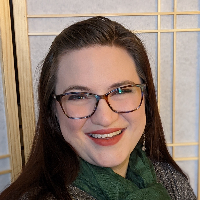
Rebecca Preston is a Licensed Mental Health Counselor (LMHC) practicing in New York with eight years of clinical experience. She has focused much of her work on people dealing with substance use and the emotional, relational, and physical challenges that often come with addiction. Rebecca also supports people managing mood disorders such as anxiety, depression, and bipolar, as well as those recovering from trauma and attachment-related concerns.
Her background includes helping people with complex trauma, including intergenerational patterns and childhood attachment issues. She has worked with a broad range of ages and cultural backgrounds. Rebecca draws on approaches that emphasize present-moment awareness and practical skills.
In session she uses mindfulness-based counseling alongside client-centered techniques and cognitive behavioral strategies. That means conversations tend to focus on noticing patterns, testing small changes, and building concrete coping tools. Solution-focused ideas are used to set short-term goals and track progress.
Rebecca aims to keep sessions straightforward and often uses a light, human tone to make hard topics easier to talk about. She works with concerns common in early adulthood including stress, relationship challenges, identity questions, and difficulties with sleep and focus.
Families, caregiving stress, grief, anger, and neurodiversity-related concerns also appear in her practice. People who want a mix of skills training, reflective work about attachment, and brief goal-oriented planning may find her approach fits their needs.
How her approaches translate to online work
Rebecca uses attachment-based, client-centered, and cognitive behavioral ideas in her practice. Attachment-based work looks at how past relationships shape current reactions and aims to help people notice patterns and try new ways of relating. Client-centered work focuses on listening and reflecting so clients can find their own insights and priorities. Cognitive Behavioral Therapy (CBT) helps identify unhelpful thoughts and test small, practical changes to behavior and routines.Choosing the right approach is a collaborative process. She will talk with the client about goals, preferences, and what feels most useful, then try methods that match those aims. Adjustments are made as needed so sessions stay practical and relevant.
The biography does not list specific session formats, so confirm current online options before booking. Online sessions can make it easier to fit therapy around classes, work shifts, or caregiving by removing travel time and letting people meet from a quieter place. Some formats also let sessions be shorter check-ins when life is busy, or avoid video when bandwidth is limited. These practical benefits help therapy fit into everyday schedules without promising any particular service.
Areas of expertise
Primary focus
Also works with
Additional focus areas
Therapeutic approaches
Experience
8+ years
Listed in
New York
Languages
English
Frequently asked questions
What kinds of problems does she help with?
She works with stress, anxiety, addictions, trauma and abuse, mood disorders, relationship and family issues, grief, sleep problems, ADHD, and related concerns listed in her specialties.
How would she describe her therapy style?
Her style blends mindfulness-based counseling with client-centered and cognitive behavioral techniques, plus solution-focused steps for short-term goals.
How long has she been practicing clinically?
She has eight years of clinical experience as a Licensed Mental Health Counselor in New York.
Where is she licensed and based?
She is an LMHC licensed in New York and practices from that location.
Can I see her if I live outside the United States?
Sessions are offered in English and she does not accept international clients at this time.
What session formats are offered?
Please confirm current session options before booking, as the biography does not list specific formats.
How does payment work and what does it cost?
Cost varies with location; sessions use a subscription model that can be canceled at any time.
How do I begin a first session?
Use the See online therapy options button, complete a short matching questionnaire, and schedule a first session.
Online talk therapy through BetterHelp is for adults aged 18 and over and is not emergency care. If you are in danger, use the emergency numbers. Find someone else by name.