- Stress and anxiety
- Eating and body image
- Attachment and relationships
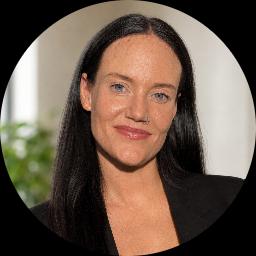
About Lauren
Lauren Lynch is an AASW-accredited social worker based in Perth, Western Australia, with 15 years' clinical experience. She works with adults and young adults facing stress, anxiety, eating and body image concerns, depression, trauma, identity and relationship issues.
Lauren often sees people who feel stuck in cycles of overthinking, perfectionism, people-pleasing or avoidance. She helps people who are struggling with shame, self-criticism, emotional overwhelm or disconnection from themselves. Many clients are navigating the move from study into work, changing relationships or shifts in identity and purpose.
Her practical approach draws on Acceptance and Commitment Therapy, cognitive behavioural methods, Dialectical Behaviour Therapy skills and attachment-based ideas. Sessions commonly involve mapping the patterns that keep someone stuck, learning emotion regulation skills, and working on communication and boundaries. For eating and body image concerns she integrates evidence-based eating disorder care into the work.
Lauren describes her work as collaborative and grounded. She aims to help people notice small changes that reduce distress and improve day-to-day functioning. Conversations focus on what is getting in the way now, and what matters most to the person.
As an Aboriginal and queer clinician, she offers culturally aware and identity-affirming care. She explicitly welcomes Aboriginal and Torres Strait Islander people, First Nations clients, LGBTQIA+ people and those from diverse cultural backgrounds. The emphasis is on respect and on keeping identity and culture part of the work.
How therapeutic approaches work in online sessions
Acceptance and Commitment Therapy (ACT) focuses on noticing difficult thoughts and feelings and taking action guided by personal values; it is often used for anxiety, low mood and feeling stuck. Cognitive Behavioural Therapy (CBT) looks at the links between thoughts, feelings and behaviour and includes practical exercises to change unhelpful patterns; it is commonly used for anxiety, depression and some eating concerns. Dialectical Behaviour Therapy (DBT) skills teach emotion regulation, distress tolerance and interpersonal effectiveness and can be helpful for intense emotions and relationship struggles.Choosing a method is a collaborative process. The therapist will work with each person to identify which approaches best fit their needs and goals, and may combine techniques over time. Clients shape what is prioritised and can give feedback about what is or is not working.
Session formats are not specified in the biography, so please confirm current online session options before booking. Online work can make it easier to fit therapy around study, shifts or travel, and may help people access consistent appointments without commuting. It also allows for shorter check-ins when a full session is not needed and can support practising skills in everyday settings. Appropriately qualified or registered therapists can adapt these approaches for remote sessions while focusing on practical skills, values-based work and emotion regulation.
Areas of expertise
Primary focus
Also works with
Additional focus areas
Therapeutic approaches
Experience
15+ years
Listed in
Australia
Languages
English
Frequently asked questions
Which concerns does she commonly help with?
She works with stress, anxiety, depression, trauma, eating and body image issues, relationship and identity concerns, and related areas such as ADHD and grief.
What is her therapeutic style like?
Her style is collaborative and practical, using ACT, CBT, DBT skills and attachment-based ideas to address patterns, emotion regulation and communication.
How much experience does she have?
She has 15 years of clinical experience as an AASW-accredited social worker practising in Australia.
Where is she located and what credential does she hold?
She is based in Perth, Western Australia, and holds accreditation with the Australian Association of Social Workers (AASW).
Can people who speak other languages use her services?
Sessions are offered in English.
Does she work with international clients?
She does not accept international clients at this time.
How are sessions arranged and what does it cost?
Cost varies by location and sessions use a subscription that can be cancelled at any time.
How do I begin a first session?
Select the See online therapy options button, complete a short matching questionnaire, and schedule a first session.
Online talk therapy through BetterHelp is for adults aged 18 and over and is not emergency care. If you are in danger, use the emergency numbers. Find someone else by name.