- CBT techniques
- Attachment focus
- DBT skills
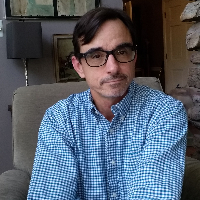
About Francis
Francis Jones III is an LPC - Licensed Professional Counselor in Arkansas with 23 years of experience. He works with adults facing stress, anxiety, depression, trauma and abuse, self-esteem issues, relationship and intimacy concerns, and young adult problems such as life transitions and early-career pressures.
He approaches therapy in a straightforward, collaborative way. Sessions focus on talking through what is happening now and finding concrete ways to respond. He draws on methods like cognitive behavioral work, attachment ideas, psychodynamic thinking, and skills from dialectical behavior therapy to help people manage emotions and patterns.
In practical terms he helps people cope with grief, anger, burnout, ADHD, and the effects of illness or caregiving stress. He also supports those dealing with identity and LGBT-related concerns, adoption and attachment issues, and blended family challenges. Conversations often include building communication skills and setting realistic steps forward.
His background includes long-term clinical practice across a range of adult concerns. With many years in the field, he blends short-term problem solving and longer-term exploration depending on what a person needs. That mix lets him address immediate stressors and the deeper patterns that keep problems returning.
People who reach out can expect direct, plain talk about goals and options. The first meetings usually focus on what matters most now, what has helped before, and simple steps to try between sessions.
How therapeutic approaches guide online work
The therapist often uses cognitive behavioral therapy to identify and change unhelpful thoughts and behaviors. CBT is practical and helps with anxiety, depression, and stress by teaching specific strategies to test thoughts and try new actions.Attachment-based ideas look at how early relationships shape current patterns. This helps people understand why they react strongly in close relationships and gives ways to practice different responses.
Finding the right approach is part of the work. The therapist will listen to your goals and preferences, then suggest starting points. Together you can try a method, check how it feels, and adjust as needed so the work fits your needs.
Session formats are not listed in the biography, so confirm current options before booking. Online sessions can make it easier to fit therapy into a busy week, shorten check-ins when needed, and avoid travel time. They also let people choose whether to be on camera or keep sessions audio-only when that helps with focus or bandwidth. Licensed professionals can use these practical choices to help therapy fit daily life without changing its aims.
Areas of expertise
Primary focus
Also works with
Additional focus areas
Therapeutic approaches
Experience
23+ years
Listed in
Arkansas
Languages
English
Frequently asked questions
What concerns does he address?
He works with stress, anxiety, depression, trauma and abuse, self-esteem, relationship and intimacy issues, parenting and many young adult concerns.
What is his therapy style like?
He uses a collaborative, practical style drawing from client-centered, cognitive behavioral, psychodynamic and DBT-informed methods.
How much clinical experience does he have?
He has 23 years of clinical experience as a counselor working with adults across a range of concerns.
What credentials and where is he licensed?
He holds the LPC credential and is licensed in Arkansas.
Can I work with him if I speak another language?
Sessions are offered in English.
Does he take international clients?
He does not accept international clients at this time.
How are sessions paid for and what does it cost?
Cost varies with location; sessions use a subscription model that can be canceled at any time.
How do I begin a first session?
Use the See online therapy options button, complete a short matching questionnaire, and then schedule a first session.
Online talk therapy through BetterHelp is for adults aged 18 and over and is not emergency care. If you are in danger, use the emergency numbers. Find someone else by name.