- Client-Centered approach
- CBT techniques
- DBT skills
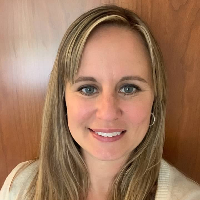
About Christina
Christina Chykirda is a Licensed Professional Counselor (LPC) practicing in Connecticut with 10 years of experience in mental health. She works with adults on stress, anxiety, depression, addictions, trauma and abuse, eating concerns, relationship and intimacy issues, grief, sleep problems, parenting strain, anger, self-esteem, career questions, bipolar disorder, ADHD, and coping with life changes. Christina also focuses on attachment and abandonment issues, body image, codependency, communication and control problems, and substance-related concerns.
She has worked in inpatient, residential, partial hospitalization, intensive outpatient, and outpatient settings. That range means she has experience with crisis-focused care and longer-term talk therapy. Her background includes work with people facing trauma, posttraumatic stress, bipolar disorder, schizophrenia, and substance use challenges, among others.
Christina’s style is interactive and client-centered. She listens, explains things plainly, and works with people to pick clear goals. Practical homework is often used so new skills get practiced between sessions.
She combines Client-Centered Therapy with cognitive behavioral and dialectical behavior strategies. She also draws on existential and mindfulness approaches to help people reflect on values and manage distress in the moment.
Christina emphasizes learning about difficulties as a route to change. She challenges avoidance and helps clients replace unhealthy coping with more effective skills. Her background in customer service also informs a straightforward, problem-solving focus in sessions.
How Christina’s approaches work in online sessions
Client-Centered Therapy focuses on listening and understanding what matters to the person. It helps people clarify goals and feel heard while deciding what to work on next.Cognitive Behavioral Therapy, or CBT, looks at the link between thoughts, feelings, and actions. It breaks problems into specific skills and exercises that reduce anxiety, low mood, and unhelpful behaviors.
Dialectical Behavior Therapy, or DBT, teaches practical skills for managing intense emotions, improving distress tolerance, and handling conflict. It is useful for people who struggle with strong mood swings, impulsive acts, or relationship problems.
Finding the right approach is part of the work. Christina will collaborate with each person to identify goals, try methods that fit their needs, and adjust what they do together as progress or new issues appear.
Session format options are not specified in the biography, so confirm current options before booking. Online sessions can make it easier to fit therapy into a busy schedule, enable shorter check-ins when needed, and avoid travel time. They can also let people practice skills in the places where they live their daily life, and make scheduling around school or work more flexible.
Areas of expertise
Primary focus
Also works with
Additional focus areas
Therapeutic approaches
Experience
10+ years
Listed in
Connecticut
Languages
English
Frequently asked questions
What kinds of issues does she help with?
She works with stress, anxiety, depression, addictions, trauma and abuse, eating concerns, relationship and intimacy issues, grief, sleep problems, parenting strain, anger, self-esteem, career questions, bipolar disorder, ADHD, and related challenges.
How would you describe her therapy style?
Her approach is interactive and client-centered. She listens, explains diagnoses and coping strategies, and uses homework to apply skills between sessions.
How much experience does she have?
She has ten years of experience in the mental health field and has worked across inpatient, residential, partial hospitalization, intensive outpatient, and outpatient settings.
What are her credentials and where does she practice?
She is a Licensed Professional Counselor (LPC) licensed in Connecticut and practices there.
Can I work with her if English is not my first language?
Sessions are offered in English.
Does she work with international clients?
International clients are not currently accepted.
How are sessions paid for and what does it cost?
Cost varies with location; sessions use a subscription model that can be canceled at any time.
How do I begin a first session?
Use the See online therapy options button, complete a short matching questionnaire, and schedule your first session.
Online talk therapy through BetterHelp is for adults aged 18 and over and is not emergency care. If you are in danger, use the emergency numbers. Find someone else by name.