- Anxiety and stress
- Trauma and EMDR
- Music informed methods
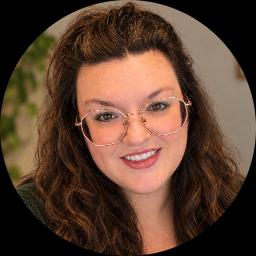
About Chelsea
Chelsea Sheedy is an LCMHC (Licensed Clinical Mental Health Counselor) practicing in Utah with eight years of experience. She works with young adults on issues such as anxiety, stress, relationship concerns, identity, grief, addiction, and life transitions. She also supports people navigating trauma, intimacy concerns, ADHD, and questions around gender and sexuality.
Chelsea brings a practical, creative style to sessions. She blends talking therapy with expressive tools like music, writing, or nature-based activities when helpful. Sessions focus on developing skills, processing difficult experiences, and building routines that fit everyday life.
Her background includes initial training as a board certified music therapist and a master’s degree in clinical counseling from the University of Iowa. That mix of music therapy and counseling shapes how she works - combining clinical approaches with creative options.
In trauma work she supports people processing complex experiences and aims to help them rethink their sense of safety and trust. She uses evidence-informed methods such as EMDR when clinically appropriate and adapted for distance work.
Chelsea often helps people facing mood concerns like depression or bipolar symptoms, anxiety, addiction, and parenting stress. She also addresses attachment and abandonment issues, family of origin concerns, sexual intimacy problems, and questions about life purpose and career decisions.
Sessions are collaborative and paced to the individual. New clients complete a short matching questionnaire and then schedule a first session to begin setting goals and deciding which tools to use.
How therapeutic approaches translate to online work
Acceptance and Commitment Therapy (ACT) helps people notice unhelpful thoughts and choose actions that match their values. Online ACT sessions can focus on clarifying values, building small behavior changes, and practicing present-moment skills to reduce avoidance and increase engagement.Attachment-Based Therapy looks at how early relationships shape current patterns. Used online, it involves mapping relationship patterns, practicing new ways of relating, and experimenting with communication skills to improve closeness and boundaries.
EMDR (Eye Movement Desensitization and Reprocessing) is a method used to process traumatic memories and reduce their emotional charge. When appropriate, the therapist adapts EMDR techniques for distance work and guides clients through paced processing while monitoring comfort and readiness.
Choosing an approach is a collaborative process. The therapist will discuss goals, preferences, and what practical steps feel doable. Together they’ll try methods and adjust based on how well they fit the client’s needs.
Confirm the exact session formats before booking since the biography does not list them. Online sessions can make it easier to fit therapy into a busy schedule, allow shorter check-in meetings when needed, reduce travel time, and let people use tools like music or writing as part of the session. These practical benefits help therapy fit into study, work, or other daily commitments.
Areas of expertise
Also works with
Additional focus areas
Therapeutic approaches
Experience
8+ years
Listed in
Utah
Languages
English
Frequently asked questions
What kinds of concerns does she address?
She works with stress, anxiety, depression, trauma and abuse, relationship and intimacy issues, addiction, parenting strain, grief, ADHD, and related concerns listed in her specialties.
How would she describe her therapeutic style?
She uses a creative, client-centered style that mixes talk therapy with tools such as music, writing, or nature-based activities alongside evidence-based methods.
How much clinical experience does she have?
She has eight years of clinical experience, including prior work as a board certified music therapist and a master’s in clinical counseling.
What are her credentials and where is she located?
She is an LCMHC (Licensed Clinical Mental Health Counselor) licensed in Utah and practices from that state.
Can people who live outside the United States work with her?
She accepts international clients; sessions are offered in English.
What session formats does she offer?
Please confirm current session options before booking, as the biography does not list specific formats.
How are fees handled for sessions?
Cost varies with location. Sessions use a subscription that can be canceled at any time.
How do I begin working with her?
Start by selecting the See online therapy options button, complete a short matching questionnaire, and schedule a first session.
Online talk therapy through BetterHelp is for adults aged 18 and over and is not emergency care. If you are in danger, use the emergency numbers. Find someone else by name.