- ACT
- CBT
- Attachment work
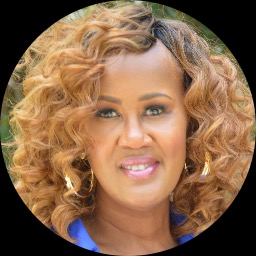
About Veronica
Dr. Veronica Martin-Perkins is a Licensed Professional Counselor (LPC) in Texas with 25 years of clinical experience. She works with adults on stress, anxiety, relationship problems, trauma and abuse, grief, and depression. Her background also includes work with issues such as attachment, abandonment, adoption and foster care, body image, caregiver stress, and communication problems.
She trained in counseling and educational administration and completed a Ph.D. in Counseling Education and Supervision. Over her career she has combined work in education and mental health settings, which shaped how she approaches practical problems. That experience informs her work with people facing life transitions common in early adulthood, such as leaving home, beginning work, and relationship changes.
Her practice uses a mix of evidence-informed approaches. She draws on Acceptance and Commitment Therapy, Cognitive Behavioral Therapy, Dialectical Behavior Therapy, Attachment-Based Therapy, and Client-Centered Therapy to guide sessions. That allows sessions to focus on thoughts, behavior, emotions, and relationship patterns as needed.
Sessions typically involve talking through immediate struggles, learning skills to manage strong emotions, and clarifying personal values and goals. She also addresses trauma-related patterns and grief in practical steps rather than long technical explanations.
People who reach out can expect a focused, steady approach aimed at understanding what’s causing distress and finding manageable ways to reduce it. To start, clients complete a short matching questionnaire and schedule a first session.
Therapeutic approaches used in online sessions
Acceptance and Commitment Therapy (ACT) helps people notice unhelpful thoughts and choose actions that fit their values. It can be useful for anxiety, stress, and feeling stuck when making life decisions.Cognitive Behavioral Therapy (CBT) focuses on the links between thoughts, feelings, and behavior. It teaches practical skills to change patterns that increase depression or anxiety and supports problem-solving for daily challenges.
Attachment-Based Therapy looks at how early relationship patterns affect current connections and reactions. It can help people who struggle with commitment, trust, or intense emotional responses in relationships.
Finding the right approach is part of the work together. The therapist will talk with the client about their goals and preferences and then choose or combine methods to fit those needs. That decision is collaborative and may change as therapy progresses.
Confirm which session formats are available before booking, since the biography does not list specific delivery methods. Online sessions can make it easier to fit therapy around work, school, or other commitments and can reduce travel time. They also allow brief check-ins when a shorter visit is helpful or when scheduling requires more flexibility.
Areas of expertise
Primary focus
Additional focus areas
Therapeutic approaches
Experience
25+ years
Listed in
Texas
Languages
English
Frequently asked questions
What concerns does she address for young adults?
She works with stress, anxiety, relationship problems, trauma and abuse, grief, and depression, plus related issues such as attachment and communication problems.
How would she approach anxiety or depression?
She uses approaches such as Cognitive Behavioral Therapy and Acceptance and Commitment Therapy to help people manage thoughts and build daily coping skills.
How much clinical experience does she have?
She has 25 years of combined experience in education and mental health practice, including supervisory and teaching roles.
What are her credentials and where does she practice?
She is a Licensed Professional Counselor with licensure in Texas and practices from that state.
Can I work with her if I live outside the United States?
She does not accept international clients; sessions are offered in English and limited to clients within her permitted region.
What session formats are offered?
Confirm current session options before booking, as the biography does not list specific formats.
How are fees handled?
Cost varies with location; sessions use a subscription that can be canceled at any time.
How do I begin working with her?
Use the See online therapy options button, complete the short matching questionnaire, and schedule a first session.
Online talk therapy through BetterHelp is for adults aged 18 and over and is not emergency care. If you are in danger, use the emergency numbers. Find someone else by name.