- Stress and anxiety
- ADHD and autism
- Trauma-focused methods
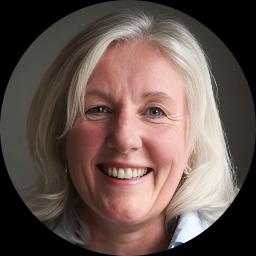
About Susan
Susan "Sue" Small is a BACP counsellor practising in the United Kingdom with six years' experience. She works with people facing stress, anxiety, depression and grief, and those adjusting to major life changes. She also supports people living with ADHD and autism who want practical ways to cope day to day.
Sue uses a straightforward, person-focused approach. She listens to what matters most and helps clients set small, achievable steps. Conversations aim to make problems easier to manage rather than add new jargon or tasks.
She often brings solution-focused tools into sessions to help people make quick, practical changes. For people affected by past harm, she uses trauma-focused methods designed to reduce the hold of painful memories. These approaches are used alongside a client-centred way of working that keeps the person’s priorities central.
Sue helps with relationship strain, problems with work or study, low self-esteem and difficulties with motivation. She also works with addiction-related concerns, anger, eating issues and the impact of long-term caregiving. Practical next steps and coping strategies are a recurring theme in her work.
Sessions aim to be clear and down to earth. Sue encourages people to set goals and review progress at a pace that suits them. If someone is unsure about what to expect next, she supports them to identify the most useful first steps and options for moving forward.
How Sue’s approaches translate to online work
Sue draws on client-centred, solution-focused and trauma-focused ways of working. Client-Centred Therapy means she places the person’s concerns and choices at the centre of sessions, helping them set priorities and decide next steps. Solution-Focused Therapy focuses on practical goals and small changes that can make day-to-day life easier. Trauma-Focused Therapy offers techniques to reduce distress from past harm and to help people feel less controlled by painful memories.Finding the right approach is part of the work together. Sue will discuss what feels most useful early on and adjust methods based on a person’s goals and preferences. That way sessions stay relevant and collaboratively shaped rather than fixed in advance.
The therapist’s biography does not list specific online formats, so confirm session options before booking. Online work can make it easier to fit therapy into a busy schedule, save travel time and allow for shorter check-ins if needed. It also lets people keep therapy in the same place as other day-to-day routines, which can make trying new coping steps more convenient.
Areas of expertise
Also works with
Additional focus areas
Therapeutic approaches
Experience
6+ years
Listed in
United Kingdom
Languages
English
Frequently asked questions
What kinds of problems does she help with?
Sue works with stress, anxiety, depression, grief and major life changes. She also supports people with ADHD, autism, relationship difficulties and a wide range of other concerns listed on her profile.
What is her style in sessions?
She takes a person-centred approach and uses practical steps to address problems. Conversations focus on what the client wants to change and small actions to try between sessions.
How long has she been practising?
She has six years of experience working as a counsellor in the UK.
What are her qualifications and where is she based?
She is registered with the BACP and practises in the United Kingdom.
Can non-UK residents work with her?
Sessions are offered in English and she does not accept international clients at this time.
What session formats are available?
The original biography does not specify session formats. Please confirm current session options before booking.
How are sessions paid for?
Sessions use a subscription model that can be cancelled at any time and costs vary by location.
How do I start working with her?
Select the See online therapy options button, complete the short matching questionnaire and schedule a first session.
Online talk therapy through BetterHelp is for adults aged 18 and over and is not emergency care. If you are in danger, use the emergency numbers. Find someone else by name.