- CBT techniques
- DBT skills
- EMDR for trauma
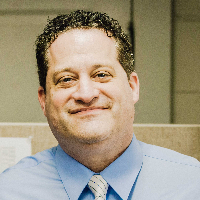
About Shlomo
Shlomo Lawrence is a Licensed Marriage and Family Therapist (LMFT) licensed in Texas and practicing in Florida with 12 years of experience. He helps people facing stress, anxiety, addictions, relationship and family conflict, trauma and abuse, grief, mood concerns, and issues common in young adulthood such as career stress, identity, and coping with life changes.
He draws on direct, practical approaches in sessions. Conversations focus on what is happening now and what can change. He uses techniques from Cognitive Behavioral Therapy and Dialectical Behavior Therapy to help people notice patterns, try new responses, and manage intense emotions. He also works with eye movement desensitization and reprocessing (EMDR) when trauma memories are a central concern.
Lawrence has worked in community-based programs and addiction treatment, including co-occurring disorders. That background means he is familiar with crisis-driven care and long-term follow-up. He has supported people through relationship strain, family conflict, substance-related problems, and a wide range of mood and anxiety issues.
He mentions experience with second- and third-generation trauma survivors and with a variety of clinical severities. Sessions typically involve talk, skill practice, and structured exercises aimed at concrete changes like better sleep, fewer panic episodes, or clearer communication with partners.
People meeting him can expect straightforward discussion of goals and steps to reach them. To begin, a brief matching questionnaire is completed and a first session is scheduled, where practical next steps are set together.
How his approaches translate to online work
Shlomo uses Cognitive Behavioral Therapy (CBT) to help people identify unhelpful thoughts and try different behaviors. CBT sessions often include brief exercises, mood tracking, and homework that can be reviewed in later meetings. Dialectical Behavior Therapy (DBT) provides concrete skills for managing intense emotions and improving interpersonal effectiveness, which can be practiced and coached in session.EMDR is another approach he uses when trauma memories are central. EMDR involves a structured method for processing distressing memories so they feel less disruptive. This can be discussed and paced collaboratively to match what a person needs.
Finding the right approach is part of the work. He will talk with each person about their goals, symptoms, and preferences and then recommend options to try. That plan can change over time as progress and new information emerge.
The original profile does not list specific online session formats, so confirm current session options before booking. Online work can make it easier to fit sessions into a busy day, reduce travel time, and allow shorter check-ins when needed. It also makes it possible to carry over skills learned in session into daily routines more quickly.
Areas of expertise
Primary focus
Also works with
Additional focus areas
Therapeutic approaches
Experience
12+ years
Listed in
Florida, Texas
Languages
English
Frequently asked questions
What kinds of concerns does he address?
He works with stress, anxiety, addictions, relationship and family problems, trauma and abuse, mood concerns, grief, ADHD, and related issues listed in his profile.
How would he describe his therapeutic style?
Sessions are practical and conversation-based, focusing on current problems, skill practice, and clear steps to change behaviors and emotions.
How much clinical experience does he have?
He has 12 years of experience working in the mental health field, including community treatment, addiction services, and trauma care.
What are his credentials and where is he based?
He is a Licensed Marriage and Family Therapist (LMFT), credentialed in Texas and practicing in Florida.
Which languages are supported in sessions?
Sessions are offered in English only.
Can people outside the United States work with him?
He does not accept international clients at this time.
How are fees and payment handled?
Cost varies with location and sessions use a subscription model that can be canceled at any time.
What do I need to do to start?
Click the See online therapy options button, complete the short matching questionnaire, and schedule a first session.
Online talk therapy through BetterHelp is for adults aged 18 and over and is not emergency care. If you are in danger, use the emergency numbers. Find someone else by name.