- Stress and anxiety
- Trauma and relationships
- Mindfulness and somatic work
About Rebecca
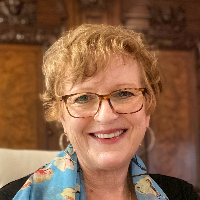
Rebecca Gibson is a Licensed Professional Counselor (LPC) practicing in Texas with ten years of experience. She works with adults on stress, anxiety, relationships, trauma and abuse, self-esteem, life changes, addictions, grief, intimacy-related issues, parenting concerns, anger, career worries, depression, compassion fatigue, and ADHD.
Rebecca focuses on listening closely and asking practical questions. She uses a range of clinical skills and life experience to address what is happening now. Sessions aim to surface usable skills clients can use between meetings.
Her background includes early counselor training and internships in Austin during the 1980s and a long career in Texas mental health since then. Over the years she has explored many approaches and keeps practices that help with stress, pain, trauma, addiction, and relationship repair.
Rebecca often draws from somatic and experiential methods when body-based work is helpful. She also uses talk-based approaches to help people make sense of patterns, decisions, and values in their lives. Her style is steady and practical, focused on evidence-informed techniques rather than jargon.
Clients can expect a therapist who prioritizes clear questions, active listening, and concrete skill-building. Rebecca aims to adapt methods to each person's needs while helping them learn tools to manage daily challenges and long-standing difficulties.
How her approaches translate to online sessions
Client-Centered Therapy focuses on listening and reflecting what matters to the client. It helps people clarify feelings, make decisions, and feel understood during stressful transitions. Existential Therapy looks at questions of meaning, choice, and responsibility; it can help when someone feels lost after school or a big life change. Mindfulness Therapy teaches simple attention skills and breathing practices that reduce reactivity and support stress management.Finding the right approach is part of the work. The therapist will collaborate with the client to choose methods that fit goals, preferences, and what comes up in sessions. That might mean mixing talk-based exploration with body awareness or adding narrative techniques to reframe difficult stories.
Session formats are not specified in the biography, so confirm current options before booking. Online sessions can make it easier to fit therapy into a busy schedule, allow shorter check-ins around work or study, and remove travel time from the day. They also let people use mindfulness or somatic exercises in their own everyday environment. Discuss practical scheduling needs with the therapist to find a workable plan.
Areas of expertise
Primary focus
Also works with
Additional focus areas
Therapeutic approaches
Experience
10+ years
Listed in
Texas
Languages
English
Frequently asked questions
What kinds of problems does she help with?
She works with stress, anxiety, relationship problems, trauma and abuse, self-esteem, life changes, addictions, grief, intimacy concerns, parenting, anger, career issues, depression, compassion fatigue, and ADHD.
What is her therapeutic style like?
She listens closely and asks practical questions. Her approach combines client-centered listening with experiential and somatic methods and narrative work.
How much experience does she have?
She holds ten years of professional experience as an LPC and has a long history of counselor training and internships beginning in Austin in the 1980s.
What credentials and location are listed?
She is a Licensed Professional Counselor (LPC) in Texas and practices in Texas.
Does she work in languages other than English?
Sessions are offered in English.
Can international clients work with her?
She is not currently accepting international clients.
How are sessions billed and what does it cost?
Cost varies with location; sessions use a subscription that can be canceled at any time.
How do I begin if I want to work with her?
Select the See online therapy options button, complete a short matching questionnaire, and schedule a first session.
Online talk therapy through BetterHelp is for adults aged 18 and over and is not emergency care. If you are in danger, use the emergency numbers. Find someone else by name.